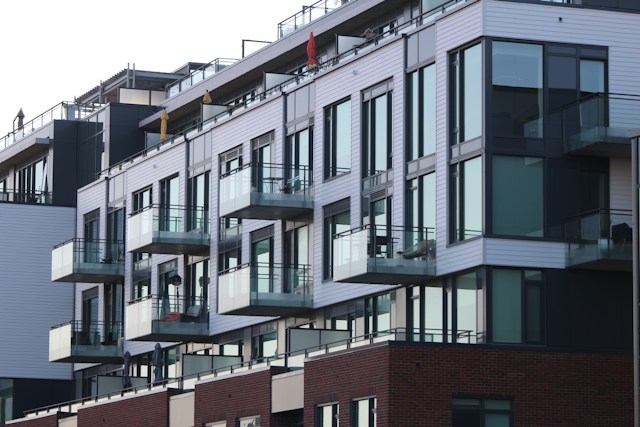
Plenty of guys eventually look past the stock market and start eyeing real estate. And once a single rental house starts to feel small, the next step is usually a small apartment building. Eight units, a little dated, rents below the market. Buy it, fix it up, raise rents, refinance. On a spreadsheet, the value-add play looks beautiful.
In real life, the spreadsheet is only as good as the renovation budget behind it. The deals that go sideways rarely fail because the investor guessed wrong on rents. They fail because the building needed more work than anyone planned for, the work took longer than expected, or the tenants were still living there when it started. Here is where renovation budgets usually break, and how to protect yours.
Underwrite the Building, Not Just the Rent Roll
The seller’s rent roll tells you what the building earns. It tells you nothing about what it is going to cost you. Before you commit, get inside every unit you can, not just the two the listing agent wants to show you. Units that have not turned over in years often hide the worst surprises.
Then dig into the systems that do not show up in listing photos:
| System | What to check |
|---|---|
| Roof | Age, condition, drainage and any history of leaks |
| Plumbing | Pipe materials, water heaters, and a camera inspection of the main sewer line |
| Electrical | Panel age and capacity, especially if you plan to add appliances or in-unit laundry |
| Exterior | Siding, windows, paint, balconies, decks, stairs and walkways |
| Site | Grading, drainage, parking surfaces, lighting and landscaping |
A good inspector will flag obvious problems. A contractor who does multifamily work every day can tell you what those problems will actually cost to fix.
The Exterior Is Where the Big Surprises Live
Interior upgrades get all the attention because they drive rent increases. New flooring, updated kitchens, modern fixtures. But the most expensive surprises are often on the outside of the building.
Wood balconies, decks, exterior stairs and walkways take a beating from weather, and water damage can hide under coatings and surfaces for years. Dry rot, failed waterproofing and corroded connections are not just a maintenance issue. They are a safety issue, and fixing them properly can mean structural repair, not a coat of paint.
The same goes for roofs, siding and windows. If any of them are near the end of their life, that cost belongs in your acquisition budget, not in the “we’ll deal with it later” column.
Occupied Units Change Everything
Renovating an empty building is a construction project. Renovating an occupied one is a construction project with people living in it.
Most investors take one of two approaches:
- Renovate units as they turn over. As tenants move out, each unit gets upgraded before it is re-leased. It is slower, but it keeps income flowing and avoids displacing anyone.
- Renovate the whole building at once. Faster and often more efficient, but it usually requires vacant units, and in many places tenant protection laws limit when and how you can ask tenants to leave.
Either way, working around residents takes planning: scheduled water and power shutoffs, noise windows, protecting common areas, keeping walkways safe and clear, and communicating clearly so tenants know what is coming. A contractor who has done occupied renovations will build that into the schedule. One who has not will learn on your dime.
Scope Creep Is Real
Once walls and floors open up, older buildings tend to reveal problems nobody could see during inspections: water damage, outdated wiring, plumbing that was never done to code. Pulling permits can also trigger requirements to bring certain systems up to current standards.
None of this means the deal is bad. It means your budget needs a real contingency, and your contractor should be able to explain which risks are most likely for a building of that age and construction type.
Do Not Forget the Shared Spaces
Renters judge a building the moment they pull in. Tired landscaping, dim parking lots, a dingy laundry room and a broken mailbox bank all tell a prospective tenant what kind of owner you are. Upgrading community spaces, including entries, courtyards, lighting, laundry and outdoor areas, often does as much to support higher rents as the unit interiors do, and it is easy to leave out of the budget.
A California Example: Rules That Shape the Budget
Where the building is located can change the math considerably. California is a good example. Under the state’s balcony inspection law, SB 721, owners of buildings with three or more units must have exterior elevated elements such as balconies, decks and walkways inspected, with the initial deadline extended to January 1, 2026 and inspections repeating every six years. If you are buying an older complex, ask for those inspection reports and any repair work they triggered.
California’s Tenant Protection Act also shapes renovation plans. Since SB 567 took effect in 2024, a “substantial remodel” generally only justifies ending a tenancy when the work requires the tenant to vacate for at least 30 consecutive days, and the notice must describe the work. Many cities layer their own rules on top, so talk to a local attorney before planning any renovation that involves moving tenants out.
An investor buying a 1970s complex in Santa Rosa or Petaluma, for instance, would want a multifamily renovation contractor who knows how to phase exterior and interior work around residents and has dealt with balcony and walkway repairs on buildings like it. Wherever you are buying, local experience with this kind of building is worth more than a low bid.
How to Pick the Right Contractor
Multifamily renovation is its own discipline. A great single-family remodeler is not automatically the right fit for a 12-unit building. Ask:
- How many multifamily projects have you completed, and can I see a few?
- Have you renovated buildings while tenants were living in them?
- How do you phase work to keep units rentable and income flowing?
- How do you communicate with property managers and residents?
- What does your schedule look like, and how do you handle surprises once walls are open?
- How do you close out a project, and what does the final punch list process look like?
A Quick Pre-Purchase Renovation Checklist
| Step | What to do |
|---|---|
| Walk every unit | Do not rely on the best two units the seller shows you |
| Inspect the systems | Roof, plumbing, sewer line, electrical and exterior elements |
| Get a contractor’s opinion | Have a multifamily contractor price the work before you finalize your offer |
| Check the local rules | Inspection requirements, permits and tenant protection laws |
| Pick a renovation strategy | Turnover-by-turnover or whole-building, based on occupancy and the law |
| Budget a contingency | Older buildings almost always reveal something once walls open |
| Include shared spaces | Entries, lighting, landscaping and laundry |
The Bottom Line
A small apartment building can be one of the smartest investments you ever make. But the value-add play only works when the renovation budget is honest. Walk every unit, inspect what you cannot see, understand the rules where you are buying and bring in a contractor who knows multifamily work before you sign. The best deals are made at the purchase, and that starts with knowing what the building really needs.
