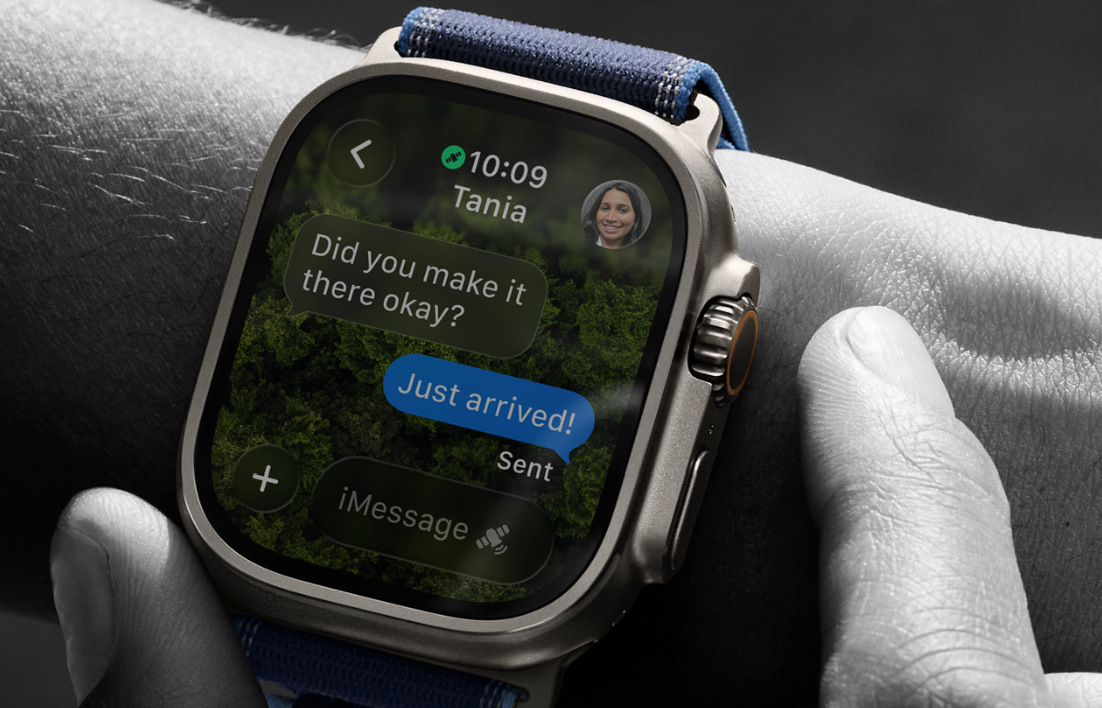
The Apple Watch has dominated the smartwatch market for over a decade, becoming a staple for fitness tracking, notifications, and seamless iOS integration. But according to recent reports, including insights from Bloomberg‘s Mark Gurman, that dominance is facing real challenges. Consumer preferences are shifting toward simpler, screenless health devices that prioritize deep recovery insights over constant notifications, and Apple needs to innovate boldly to keep up.
The Shift in Wearables: From Screens to Subtle Health Monitoring
The core issue? The wearables market is pivoting. Devices like Whoop (a subscription-based fitness band), Oura Ring, and Google’s new Fitbit Air ($99 screenless band with Gemini AI coaching) are gaining traction by focusing on what many users now crave: unobtrusive, 24/7 health data without the distractions of a full smartwatch interface.
Whoop targets athletes with advanced strain, recovery, and HRV metrics—positioning hardware as an entry point to valuable data insights. Oura emphasizes sleep quality, readiness scores, and stress tracking in a discreet ring form factor. Even traditional players like Garmin are reportedly developing screenless options.
These competitors highlight a growing divide: the “device layer” (basic tracking) versus the “intelligence layer” (actionable AI-driven advice). Apple’s health software is often seen as lagging in delivering meaningful, personalized insights compared to these rivals.
Apple’s Challenges: Leadership, Caution, and Innovation Lag
It’s hard to blame Apple here. They have a very successful product, but consumer preferences are evolving. As a result, the Apple Watch’s core formula—wrist-based screen with apps and notifications—feels increasingly dated for pure health enthusiasts. While features like hypertension notifications and improved sensors continue to roll out (e.g., in Ultra 3 models), critics argue Apple is refining rather than reinventing.
This isn’t an easy problem to solve, however. Gurman argues that Apple must “reboot” its Watch and Health efforts to rival the new wave of wearables, potentially exploring AI coaching, better integration with AirPods, or entirely new form factors. These are solid ideas, but things like AI coaching are not a silver bullet. We’re entertaing into a new era of wearable with the evolution of tracking technology and AI, and this challenge goes well beyond just the Watch. We’ll see if Apple explores new designs like screenless bands, rings, or even more invisible options could complement (not replace) the traditional Watch.
For consumers, this evolution is exciting. If you love the full smartwatch experience for calls, apps, and workouts, Apple remains king. But for dedicated recovery tracking or minimalism, alternatives like Whoop or Oura are worth considering.
