Ketchikan sits at the southern tip of the Alaska Panhandle, and its weather patterns swing hard depending on the month you choose to show up. This town gets more rain than almost anywhere else in the United States, so timing your visit isn’t just about crowds or cruise schedules. It’s about whether you’ll spend your days hiking through misty rainforest or ducking under awnings downtown.
The Short Answer
The best time to visit Ketchikan is between late May and early September, with June and July offering the most reliable weather and the fullest range of activities. This window lines up with the cruise season, the salmon runs, and the peak of wildlife viewing. Outside these months, the town quiets down considerably and many tour operators shut for the season.
Late May Through Early September: Peak Season
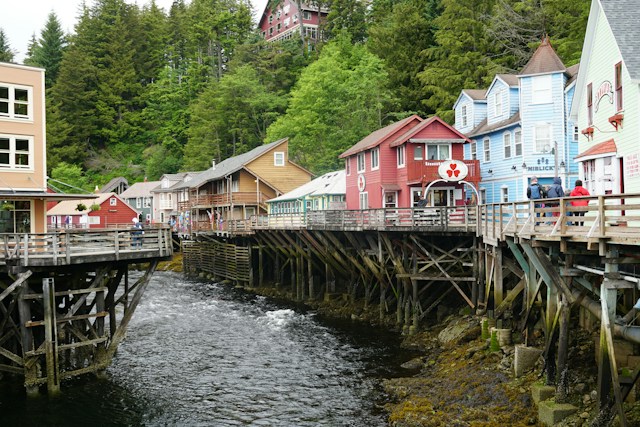
This stretch is when Ketchikan operates at full capacity. Cruise ships dock nearly every day, shops and restaurants stay open long hours, and every major excursion company runs multiple daily departures. Daylight lasts close to 18 hours in June, giving you plenty of time to pack in a float plane tour, a stop at Creek Street, and a hike up Deer Mountain in a single day.
The tradeoff is that peak season means peak crowds. On days when three or four cruise ships are in port, downtown Ketchikan can feel more like a shopping district than a fishing town. Booking activities in advance during July and August isn’t optional if you want a specific time slot.
June and July: Warmest Weather and Longest Days
June and July bring the warmest temperatures of the year, typically ranging from the mid-50s to mid-60s Fahrenheit. Rain still falls regularly, but the intensity and duration tend to be lighter than in spring or fall. This is the best stretch for zipline tours, kayaking in the fjords, and any outdoor activity where you’d rather not be soaked the entire time.
It’s also prime season for salmon fishing, since king salmon runs peak in June and July before giving way to other species later in the summer. Wildlife viewing is strong too, with black bears frequenting salmon streams and humpback whales feeding in the surrounding waters.
August: Salmon Runs and Fewer Crowds Than July
August keeps most of the summer’s advantages while trimming back some of the tourist volume, especially in the back half of the month. Pink and silver salmon runs are in full swing, making it one of the better months for anglers. Temperatures stay comfortable, generally in the high 50s to low 60s, though rainfall starts creeping up compared to June and July.
Bear viewing tends to peak in August as well, since salmon are running thick in local streams and bears show up reliably to feed. If you’re looking for a good balance between weather, wildlife, and slightly thinner crowds, this is a strong pick.
September: Fall Colors and Whale Activity
September marks the transition out of peak season, and it comes with real advantages for travelers who don’t mind cooler, wetter conditions. Cruise traffic drops noticeably after Labor Day, which means shorter lines, easier restaurant reservations, and more availability for popular tours. For anyone weighing options on Ketchikan excursions, this shoulder-season stretch often delivers a better overall value with fewer people competing for the same activities.
Whale watching remains strong into September, and the surrounding hillsides start showing fall color by late in the month. Rainfall picks up considerably compared to summer, so pack layers and waterproof gear regardless of how sunny the forecast looks.
What to Expect in Winter (October to April)
Winter in Ketchikan is a different town entirely. Most cruise ships stop calling by early October, and many tour companies close down until the following spring. Rainfall is heaviest during these months, and snow is common at higher elevations, though downtown itself sees relatively little accumulation thanks to its coastal location.
This isn’t the season for typical tourist activities, but it does appeal to travelers interested in a quieter, more local experience. Fewer visitors means better access to restaurants and lodging at lower rates, and the town’s fishing and logging heritage feels more present without the summer crowds.
Choosing Your Ideal Time Based on What You Want to Do
If wildlife viewing and warm weather top your list, June through August is the clear choice. If you’d rather avoid the busiest crowds while still catching decent weather and active salmon runs, aim for late August or September. Anyone drawn to a slower, more local pace should consider the shoulder months just before or after the main season, understanding that fewer businesses will be open.
Whatever month you pick, build flexibility into your itinerary. Rain is a near-daily possibility in Ketchikan even in peak summer, and the towns’ best experiences, from float plane rides to salmon fishing, are worth planning around rather than skipping because of a wet forecast.