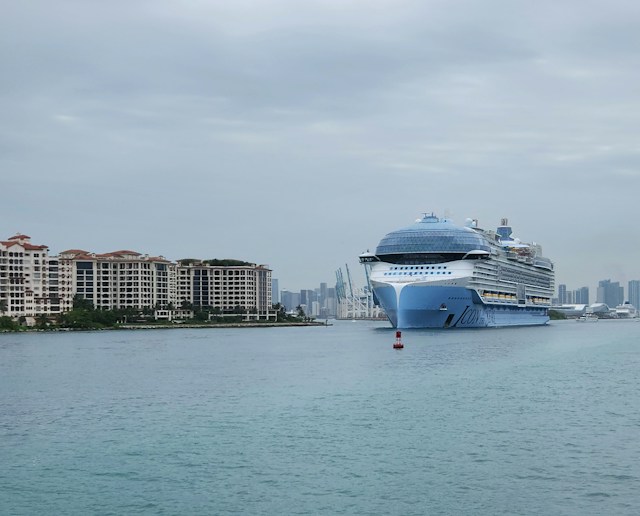
Book a cruise out of Miami fourteen days before departure, and there’s a decent chance you’ll pay less than someone who reserved the same cabin eight months earlier. That’s not a fluke of one itinerary or one cruise line — it’s a pattern specific to Florida’s ports that repeats itself week after week.
Understanding why it happens can save hundreds of dollars on a vacation that a lot of travelers assume requires months of advance planning and a premium price tag.
The Math of Empty Cabins Works in Your Favor
Cruise lines operate on thin margins per passenger but thick margins per ship. A half-empty cabin generates almost nothing, while a filled one brings in money from dining packages, drink plans, shore excursions, and casino spending once the ship is at sea. That math pushes cruise lines toward aggressive last-minute discounting rather than sailing with unsold rooms.
Florida ports amplify this effect because so many ships are based there year-round. Carnival, Royal Caribbean, MSC, and Norwegian all run large fleets out of the state, which means more inventory to move and more competition to move it fast. When a ship needs to fill 200 remaining cabins in the final two weeks before sailing, the discounts show up quickly and publicly.
Miami, Port Canaveral, and Fort Lauderdale Have Sailings Almost Every Day
Volume is the real engine behind Florida’s last-minute pricing. PortMiami alone handles over 5 million cruise passengers annually, and Port Canaveral and Port Everglades in Fort Lauderdale aren’t far behind. With that many departures happening on a near-daily basis, there’s always a ship somewhere in the state that hasn’t sold out.
Compare that to a port with two or three departures per week, where a cruise line has less flexibility to discount because there are fewer sailing dates to spread demand across. Florida’s ports function almost like a marketplace with constant turnover, and that turnover creates constant opportunity for price drops.
Cruise Lines Compete Hard for Florida Customers
Florida isn’t just a departure point — it’s a battleground. Multiple major cruise lines sail from the same ports, sometimes from adjacent terminals, targeting the same regional customer base of Southeastern drivers and Florida residents. That proximity forces pricing to stay competitive in a way that doesn’t happen in markets with only one dominant cruise line.
When Carnival drops a three-night Bahamas fare out of Miami, Royal Caribbean and MSC often respond with their own promotions within days. This kind of direct competition benefits anyone shopping close to departure, since cruise lines would rather undercut a competitor’s last-minute rate than let a ship sail under capacity. If you’re comparing options, searching for last minute cruise deals from Florida tends to surface exactly this kind of competitive pricing across multiple lines at once.
Drive-Up Passengers Change the Pricing Game
A significant share of Florida cruisers live within driving distance — Georgia, Alabama, the Carolinas, and Florida itself. That regional customer base doesn’t need to book flights months ahead, which means cruise lines can market short-notice sailings directly to people who can decide to go on a Tuesday and be at the port by Friday.
This audience behaves differently than fly-in passengers booking from the Midwest or Northeast, who typically need more lead time to coordinate air travel. Cruise lines know this, and they price late-window promotions specifically to capture drive-up demand that would otherwise leave cabins empty.
Shorter Itineraries Create More Turnover
Florida ports specialize in short three- and four-night sailings to the Bahamas, in addition to longer Caribbean itineraries. Short cruises turn over inventory much faster than seven-night trips, since a port might see three or four different three-night sailings in the time a single week-long cruise takes to complete.
More turnover means more chances for a cruise line to notice underbooked departures and react with discounts. A ship that isn’t filling up for Thursday’s three-night run doesn’t have to wait long to try again — it can adjust pricing almost immediately for the next sailing.
How to Actually Find These Fares
Set fare alerts through cruise line apps or aggregator sites, and check pricing on a rolling basis starting about three to four weeks before a potential departure date. Discounts tend to appear in waves rather than a single dramatic drop, so checking every few days works better than checking once and giving up.
Stay flexible on cabin category and departure date if possible. Interior and oceanview cabins get discounted more aggressively than balconies, and midweek departures often see steeper price cuts than weekend sailings, which stay in higher demand from drive-up travelers with typical work schedules.
The takeaway isn’t that every Florida cruise is a bargain if you wait — it’s that the structural conditions in these ports make last-minute discounting far more common and far more reliable than in most other cruise markets. Booking close to departure from Miami, Port Canaveral, or Fort Lauderdale isn’t a gamble so much as a strategy that plays to how these specific ports actually operate.