Panama surprises most first-time visitors within the first hour off the plane. Tocumen International sits just 30 minutes from a modern skyline of glass towers, yet by the following afternoon you could be standing in a rainforest listening to howler monkeys. That whiplash between metropolitan and wild is the defining feature of the country, and understanding it ahead of time makes the difference between a trip that feels disjointed and one that feels like a well-paced adventure.
Getting Your Bearings on the Map
Panama is shaped like an S lying on its side, and that geography matters more than most travelers expect. The country connects North and South America while separating the Atlantic and Pacific oceans by a mere 50 miles at its narrowest point. This means you can genuinely swim in two different oceans in the same day, something few destinations on earth can claim.
Panama City anchors most itineraries, sitting on the Pacific side with a skyline that rivals Miami’s. From there, the interior opens into cloud forests, coffee farms, and indigenous territories that feel worlds away from the capital’s financial district. Planning a route usually means picking two or three regions rather than trying to see everything, since distances and road conditions add up quickly.
The Canal Deserves More Than a Glance
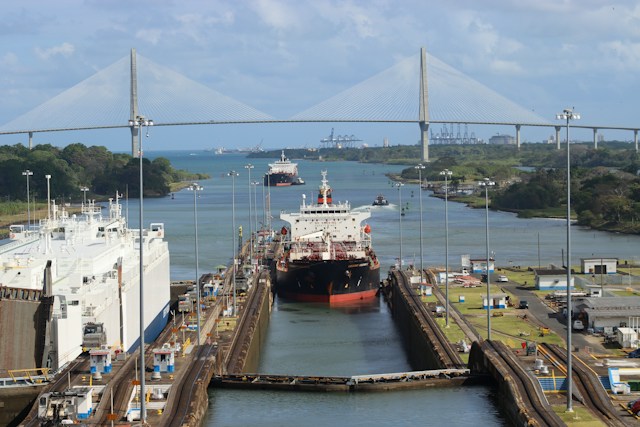
Most visitors plan to see the Panama Canal, but few realize how much there is to actually do there. The Miraflores Locks Visitor Center offers close-up views of massive cargo ships being raised and lowered through the lock system, often with narration explaining the mechanics in real time. A full transit tour, which takes passengers through the entire canal by boat, runs about eight hours and gives a much deeper sense of the engineering involved than a quick stop at the locks.
Book canal activities early, especially during the dry season from mid-December through April when demand spikes. The canal’s museum also covers the human cost of construction, including the thousands of workers who died from yellow fever and malaria, which adds useful context most tourists miss.
Deciding Between City, Jungle, and Coast
A first trip almost always involves some version of this three-way split. Panama City delivers casino nightlife, a restored colonial quarter called Casco Viejo, and rooftop bars overlooking the bay. The Chiriquí highlands, centered around the town of Boquete, offer cooler temperatures, coffee tours, and hiking trails up Volcán Barú, the country’s highest peak.
The Caribbean side, particularly the Bocas del Toro archipelago, trades mountains for turquoise water and laid-back island life. Getting between these regions typically means a mix of short domestic flights and long drives, so budgeting travel days matters as much as budgeting activity days. Trying to cram all three into a single week usually backfires.
What the Weather Actually Does to Your Plans
Panama runs on two seasons rather than four: dry season from roughly December to April, and rainy season the rest of the year. Rainy season doesn’t mean constant downpours, though. It usually means a sunny morning followed by a predictable afternoon storm that clears by evening.
Travelers who dislike planning around weather tend to prefer dry season, especially for beach time or canal transits. Those chasing lower prices and thinner crowds often do fine in the shoulder months of May and November, when rain is less frequent than peak wet season but rates haven’t caught up to high-season pricing yet.
Money, Language, and Getting Around
Panama uses the US dollar as its official currency alongside its own coins, which simplifies budgeting considerably for American travelers. Spanish is the dominant language, though English is common in tourist areas and hotels catering to international visitors. Companies that specialize in Panama luxury tours have made this kind of trip far easier to arrange, handling everything from private transfers between regions to guided visits at the canal, which matters given how spread out the country’s highlights are.
Uber operates reliably in Panama City, while rural areas often require arranged transportation or rental cars with four-wheel drive. Taxis outside the capital rarely use meters, so agreeing on a price before the ride starts avoids confusion later.
Packing for Three Climates in One Trip
A single itinerary might involve humid coastal heat, cool mountain evenings in Boquete, and air-conditioned city interiors, so layering becomes essential. Lightweight, quick-drying clothing works better than heavy cotton, which stays damp in the humidity. A light rain jacket earns its space in the bag regardless of season, since afternoon showers can appear even in supposedly dry months.
Sturdy shoes matter more than fashion here, particularly for canal tours involving walking and any hiking near Boquete or in Chiriquí’s cloud forests. Insect repellent with DEET is worth packing rather than buying locally, since options can be limited outside major cities.
Planning It the Right Way
The trips that go smoothly are the ones built around a clear priority list rather than an attempt to see everything the country offers. Pick one region to anchor the trip, decide whether the canal or the coast matters more, and build travel days into the schedule rather than treating transitions as an afterthought. Panama rewards travelers who move through it deliberately, not those who try to outrun its geography.