
Choosing a cannabis vape product can be confusing when you come across different THC percentages, oil quantities, and cartridge sizes. Two products may look similar but have very different specifications. One might contain a higher concentration of THC, while another holds a larger amount of oil. Without understanding these differences, comparing products can become difficult.
The best way to evaluate vape products is to understand what their specifications mean.
Cannabis oil concentration tells you about the cannabinoid content, while cartridge capacity describes how much oil a device can hold. Both measurements matter, but they serve different purposes. Reading product labels carefully can help you compare these details more accurately.
Let’s explore how cannabis oil concentration and cartridge capacity work, what makes them different, and how you can use both measurements to evaluate vape products.
What Is Cannabis Oil Concentration?
Cannabis oil concentration refers to the proportion of cannabinoids present in an extract. THC and CBD are two common examples. Manufacturers usually express cannabinoid concentration as a percentage or in milligrams. These figures help you understand the composition of the oil rather than the total amount inside a cartridge. When comparing products, such as those listed in the 5 gram cart category, remember that capacity and cannabinoid concentration describe two different features.
For example, an oil labeled as 80% THC contains a higher proportion of THC by weight than an oil labeled as 70% THC. However, a higher percentage does not mean the product contains more oil. The concentration figure describes the amount of a specific cannabinoid relative to the total sample. You need to check the cartridge capacity separately.
The type of extract can also affect the oil’s cannabinoid profile. Distillate is a refined extract that contains concentrated cannabinoids. Live resin uses fresh-frozen cannabis material to preserve more of its original terpene profile. Terpenes are aromatic compounds that contribute to the scent and flavor of cannabis extracts. Checking these details helps you understand how different formulations compare.
What Is Cartridge Capacity?
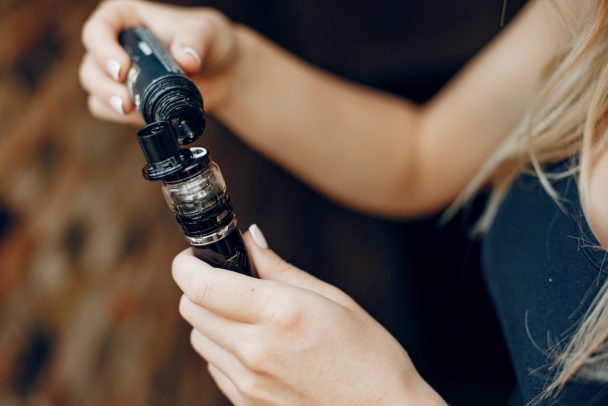
Cartridge capacity refers to the amount of cannabis oil a cartridge or vape device can hold. Manufacturers commonly list this measurement in grams or milliliters. Grams measure weight, while milliliters measure volume. Since oil density can vary, you should not assume that these units represent the same quantity. Always check the measurement used on the product label.
You may come across different sizes, including 1-gram, 2-gram, and 5-gram products. A 5-gram device holds more oil than a 1-gram cartridge. However, greater capacity does not automatically mean higher THC concentration or stronger oil. You must review the cannabinoid specifications to understand the product’s composition. Capacity only tells you how much oil the device can contain.
Cartridge size and compatibility are also affected by device design. Traditional 510-thread cartridges attach to compatible batteries and can operate independently. Disposables feature the integration of the oil tank, battery, and heating coil within a single unit. Many products with high capacity employ this design. Always look out for that distinction when comparing products.
How to Choose Based on Cannabis Oil Concentration and Cartridge Capacity
Understanding product specifications can help you make more informed comparisons. Follow these steps when evaluating cannabis vape products.
Step 1: Check Cannabinoid Concentration
Start by checking the cannabinoid percentages on the product label. Look for THC, CBD, and other cannabinoid amounts. These figures help you understand the oil’s composition. For example, two products may have the same capacity but different THC percentages. Also, review the extract type, ingredients, and terpene information to learn more about each formulation.
Step 2: Compare Cartridge Capacity
Next, check how much oil the cartridge or disposable device can hold. For example, a 1-gram cartridge holds less oil than a 5-gram disposable. However, the larger device does not automatically contain a higher proportion of THC. Check whether the manufacturer lists the quantity in grams or milliliters. Comparing products with the same measurement makes the differences easier to understand.
Step 3: Review Laboratory Reports
Look for a batch-specific Certificate of Analysis (COA). This report provides laboratory results for the product’s cannabinoid content. Depending on the testing requirements, it may also include results for pesticides, heavy metals, residual solvents, and microbial contaminants. Check the laboratory name, test date, and batch number. Make sure the report matches the product you are evaluating.
Step 4: Examine Device Specifications
Finally, review the hardware and compatibility details. Check battery requirements, heating components, and the type of oil the device supports. Oil viscosity can affect how a vape device performs. Some extracts are thicker than others, so hardware must suit the formulation. These details help you understand the device design and identify important compatibility requirements.
When comparing larger-capacity options, you can also explore a 5 gram cart to understand the specifications of these products. Check whether the listing describes a disposable device or a traditional cartridge. Also, review the stated capacity, cannabinoid profile, ingredients, and available laboratory information rather than relying on the product name alone.
Conclusion
Cannabis oil concentration and cartridge capacity describe two different product features. Concentration explains the proportion of cannabinoids in the oil, while capacity tells you how much oil a device can hold. Extract type, terpene content, laboratory results, and hardware design provide additional details that help you compare products more accurately.
Before evaluating a product, check its cannabinoid profile, stated capacity, ingredients, and batch-specific COA. Confirm the device format and review local regulations. Do not judge a product by its gram amount or potency percentage alone. A careful review of these specifications gives you a clearer understanding of what you are comparing and supports more informed decisions.
