Sleek glass deck barriers preserve scenic views and block coastal gusts. Structural wind ratings and routine exterior cleaning remain key buyer considerations.
Upgrading an elevated deck comes down to a simple goal: you want a clear view of your yard or coastline without putting your family at risk. Structural glass barriers deliver that open feel, explaining why homeowners pick them over traditional spindles. Still, buyers often overlook how wind pressures, sun glare, and eye-level smudges affect daily life after installation.
Planning for engineering specs and exterior care saves you from costly surprises later. Matching the right glass panel and mounting hardware to your climate keeps your deck safe and clear for decades.
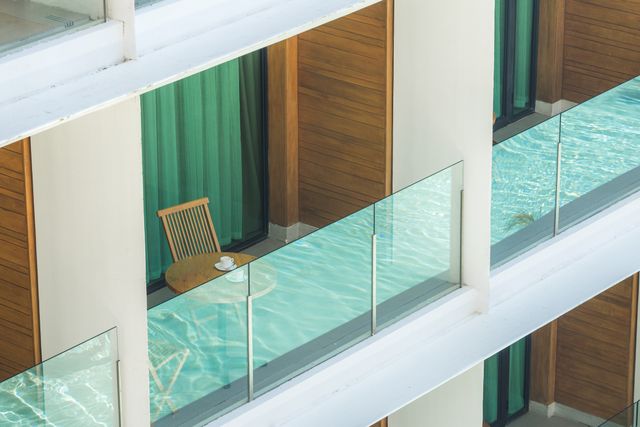
Why Do Elevated Decks Face Higher Wind Pressures?
Open picket railings let air pass through gaps, while solid glass panels act like sails catching every gust. Every pound of wind pushing against the glass transfers straight down into the bottom hardware as a bending force.
Higher decks face stronger gusts than ground-level patios. Engineering guidance from Ponarc notes that glass railings along deck corners, exposed edges, and rooftop perimeters can experience localized wind pressure 50% greater than baseline ratings, with pressure coefficients climbing past 1.5. Ask your installer to calculate site-specific wind loads instead of relying on generic inland specs.
Tempered vs. Laminated Glass Panels Under Heavy Gusts
Building codes require safety glazing for elevated guards, and your glass choice shapes how your railing behaves under stress.
Standard Tempered Glass
Manufacturers heat-treat single panes of tempered glass to carry roughly 4 times the strength of standard window glass. If storm debris shatters a tempered panel, it crumbles into dull pebbles instead of jagged shards, though the panel drops out immediately and leaves an open edge.
Multi-Layer Laminated Glass
Laminated panels bond 2 sheets of tempered or heat-strengthened glass together with a tough plastic inner layer. If 1 or both layers crack during a windstorm, that inner film holds the broken glass upright inside the mount so your deck keeps a barrier until replacement.
How Do Glass Barriers Block Wind Without Ruining Your View?
Many homeowners assume wind protection requires tall privacy walls that box in an outdoor space. Solid glass panels act as a transparent shield that deflects gusts up and over your seating area instead of letting cold air whistle through pickets. Better still, modern frameless glass deck railing systems use base channels or heavy-duty spigots to anchor the glass from below, eliminating bulky top rails that interrupt your horizon line. You get a sheltered deck without losing an inch of your panorama.
Panel height shapes your comfort on breezy afternoons. Raising your barrier from 36 inches to 42 inches pushes the wind-deflection zone higher, keeping drafts off seated guests while preserving clear sightlines.
Managing Sun Glare and Airflow on Exposed Decks
Blocking the wind creates a cozy microclimate in spring and fall, though stagnant air can trap heat on hot afternoons. Leaving 1-inch to 2-inch vertical gaps between panels encourages gentle cross-breezes without losing wind shelter.
Low-angle sunlight reflects off clear glass, casting glare into your windows at sunrise or sunset. Request low-iron glass for truer clarity or pick a subtle grey or bronze tint to soften harsh reflections.
What Does Realistic Glass Railing Upkeep Look Like?
Eye-level glass looks spotless after installation, though every raindrop, sprinkler splash, and pollen grain shows up once sunlight hits the pane. Hard water minerals bond to unprotected glass, leaving cloudy spots that regular spray struggles to lift.
Maintenance guidelines from Double Building recommend washing exposed terrace panels every 1 to 2 weeks, while coastal properties need a fresh-water rinse 1 or 2 times weekly to stop salt buildup on glass and mounts. Applying a hydrophobic coating before installation helps water bead off, cutting your scrubbing time in half.
Protect Mounting Hardware From Salt and Water Corrosion
Glass never rusts or rots, so your railing’s lifespan depends on the metal fittings gripping each panel. Coastal salt spray, pool chemicals, and winter dampness attack cheap hardware when you skip basic care.
- Choose marine-grade steel: Specify 316-grade stainless steel spigots and clamps instead of 304 steel near saltwater or de-icing salts.
- Inspect drainage channels: Clear leaves and grit from bottom tracks twice a year so water cannot pool around gaskets.
- Test fastener tension: Check base bolts, shims, and clamp screws each spring before panels loosen in strong gusts.
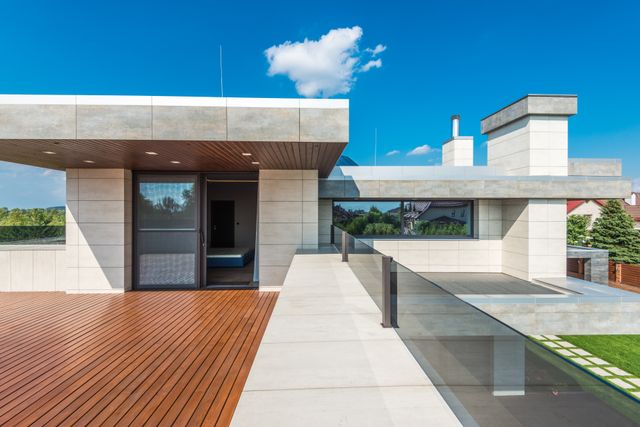
Balancing wide-open views with sound structural engineering keeps your glass railing safe in exposed outdoor spaces. Pairing wind-rated laminated glass and corrosion-resistant mounts with a quick weekly rinse lets you spend less time scrubbing smudges and more time enjoying your view.
