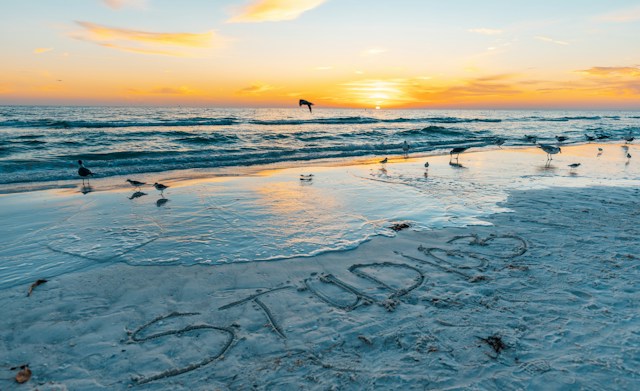
Siesta Key’s sand is famous for a reason: it’s 99 percent pure quartz, ground so fine it stays cool underfoot even at midday in July. That single fact shapes a lot of what makes this Gulf Coast barrier island different from other Florida beach towns, and it’s worth knowing before you book anything. Here’s what actually matters for a first visit, based on how the island really works.
Book Your Stay on the Right Side of the Key
Siesta Key runs roughly eight miles north to south, and the vibe shifts noticeably depending on where you land. Siesta Village, near the north end, is walkable and packed with restaurants, bars, and shops, which makes it convenient but also loud on weekend nights. The south end, around Turtle Beach, is quieter and more residential, better suited to travelers who want a slower pace.
Condo complexes and rental homes make up most of the lodging here rather than big chain hotels. For travelers who want a beach-adjacent stay with a bit more space and a kitchen, properties like Crescent Arms Siesta Key sit close enough to the water to make morning beach walks easy without requiring a car for every meal. Booking three to six months ahead is standard for peak season, since inventory is limited and word travels fast about the good spots.
Time Your Trip Around the Crowds, Not Just the Weather
Siesta Key’s weather is warm nearly year-round, so timing your trip well is more about crowd management than temperature. February through April draws heavy snowbird traffic and spring breakers, which means restaurant waits, parking headaches, and higher rates. September and October offer warm water, thinner crowds, and cheaper rentals, though hurricane season runs through November, so travel insurance is a reasonable add-on during that stretch.
Early June and late October tend to hit a sweet spot: kids are mostly out of school-driven scheduling conflicts, but the peak-season chaos hasn’t arrived or has already cleared out. Locals often point to these shoulder windows as the most livable version of the island.
Solve the Parking Problem Before You Arrive
Parking is the single biggest frustration for first-time visitors. Siesta Key Beach has a large public lot, but it fills by 10 a.m. on weekends and holidays from spring through summer. Once it’s full, cars circle for spots that don’t exist, burning through vacation time nobody wants to lose.
The better move is arriving before 9 a.m. or after 4 p.m., or skipping the car entirely. The Siesta Key Breeze trolley runs the length of the island for a few dollars and stops near most major beaches and the Village, making it a genuinely practical alternative rather than just a nice-to-have.
Learn the Beach Layout Before You Pick a Spot
Not every beach on the island offers the same experience, and assuming they’re interchangeable leads to disappointment. Siesta Key Beach itself is the famous one, with soft powder sand, lifeguards, volleyball courts, and a drum circle that gathers most Sundays near sunset. Crescent Beach, just south, is quieter with similar sand quality and easier parking, making it a solid choice for families avoiding peak crowds.
Turtle Beach, at the island’s south end, has coarser sand and fewer amenities but allows camping and tends to draw a mellower crowd. Point of Rocks, between Siesta Key Beach and Crescent Beach, has a rocky reef area that’s genuinely good for snorkeling, something the powder-soft beaches elsewhere on the island don’t offer.
Pack for Sun, Not Storms
The sun here is more intense than most first-time visitors expect, partly because the white sand reflects UV rays back upward. Reef-safe sunscreen matters both for skin protection and because Florida has restrictions in some areas on sunscreen ingredients that harm coral and marine life. A rash guard for extended beach time cuts down on reapplication hassle.
Afternoon thunderstorms are a near-daily occurrence in summer, usually arriving between 2 and 4 p.m. and clearing within an hour. Building a beach morning and an indoor or covered afternoon into the schedule avoids the frustration of watching plans get rained out.
Rent Beach Gear Instead of Hauling It
Chairs, umbrellas, and coolers take up enormous luggage space and airline baggage fees make checking them impractical. Several outfitters on the island deliver beach chairs, umbrellas, kayaks, and paddleboards directly to rental properties or beach access points for a daily or weekly rate.
This approach also solves the setup problem, since finding good shade real estate on a crowded beach gets harder by the hour. Prebooking gear for early morning delivery means arriving to a spot that’s already staked out.
Explore Beyond the Beach
Siesta Key rewards visitors who leave the shoreline occasionally. Jungle Gardens, a short drive north on the mainland, has been operating since 1939 and offers a strange, wonderful mix of botanical gardens and flamingo encounters. Kayaking through the mangrove tunnels near Turtle Beach shows a side of the island most beachgoers never see, with quiet water and dense canopy blocking out the sun.
Sunset at Siesta Key Beach draws a genuine crowd every evening, drummers and all, and it’s worth experiencing at least once even for travelers who aren’t usually beach-sunset people.
The real key to a good first trip here is treating the island’s popularity as a logistics problem to solve rather than an inconvenience to tolerate. Book early, move early, and build a little flexibility into afternoons, and the rest of the visit tends to take care of itself.