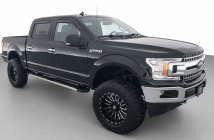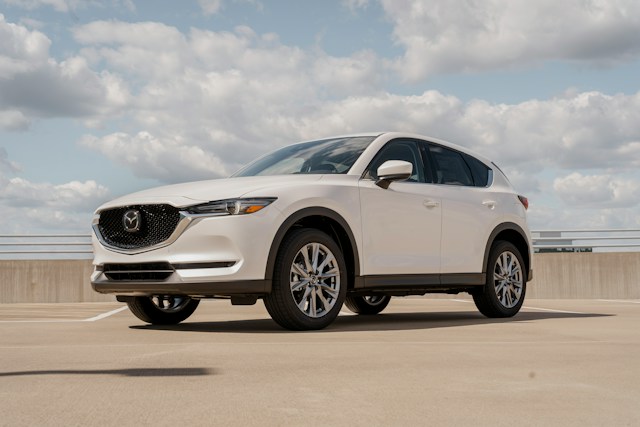
Buying a daily driver on a budget is about more than just finding the cheapest car on the market.
It is about choosing something that will not disappoint you (or empty your wallet) a few months down the road. A reliable car will support your lifestyle and your wallet, and you can easily verify its track record. If you are looking at used cars in Philadelphia and want to separate the true value buys from the charlatans, here is how.
Set Your Real Budget
It might sound easy, but it is worth repeating. Before you set foot out of your home, calculate how much you can live with spending in cash. And while you are at it, calculate the other costs you will have to bear, like registration, taxes, insurance, fuel, and first week maintenance, so that you know how much you can really afford to spend on the actual down payment and final purchase.
You should also look at various options as well, before landing on the final car, because it will give an insight into what you can afford: check out the mileage, model years, options available, and general prices in the segment so that you have a proper perspective on what makes a good deal.
Check the Vehicle History
Even the cleanest car can have a myriad of problems lying beneath the gorgeous exterior. Buy a vehicle history report and check for accidents, title status, title brands, odometer readings, titles, and previous ownership. It is better to opt for cars with a complete service history, because it shows that the previous owner always kept up with periodic maintenance.
Appraise the gap, too, before buying. If there are some missing entries, then you have the right to question the seller.
Inspect Before You Drive
Take a few minutes to look over the vehicle in daylight. Examine the body panels for signs of paintwork, misalignment, dents, or evidence of prior repairs. Also look at the tires to see if they have uneven wear, which may indicate suspension or alignment issues.
Pop the hood to view the fluid levels and inspect for any leaking fluids, frayed belts, tool markings or bolts on the engine, excessive corrosion, and/or areas of heavy dirt buildup. Inside the car, try refreshing the A/C, operating the lights, opening all the windows, and checking the infotainment system or other electrical components. Anything you find wrong/damaged/broken now will just be extra cost you have to pay on top of the new vehicle.
Make the Test Drive Count
Do not take a mere spin around the block. Drive it while the engine is cold (if you can). Listen for odd engine sounds. Is it hard to start? Does it idle well?
Drive hard, getting the speed up if traffic conditions. That way, you can gauge acceleration, braking, steering response, transmission, and other handling characteristics. The car should drive in a straight line without shimmy or pull. Drive over various road surfaces with the car at all speeds where it’s reasonable to do so. A problem may not be very noticeable on the smooth pavement of a dealer lot.
Don’t stop the car before you’re ready. If you notice something odd, continue. Don’t let sales pressure determine the length of the trip.
Get an Independent Inspection
Even if it looks like a beauty, think about hiring your own mechanic to look it over before you take the plunge. A mechanic can look under the car’s hood and provide a professional opinion on whether the car will be a good option and how long it will be until you start spending money on repairs.
This becomes important when it comes to haggling. While it’s not a dealbreaker to buy a car with soon-to-be-bald tires or brakes on the way out, you should not pay as much for it as you would if they weren’t going to need replacement for quite so soon.
Look Beyond the Sticker Price
The most affordable daily driver for you is not always the least expensive car on the lot. A car’s reliability, fuel mileage, insurance rates, parts availability, odometer reading, and maintenance record can make all the difference when it comes to the total cost of ownership.
Take your time, inspect the paperwork, take a good look around, and base your decisions on the facts rather than appearances. Doing just a little extra work before you sign on the dotted line can change a used-car purchase from a monthly headache to a daily ride on a good day.