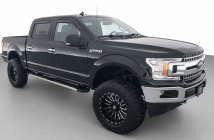
Finding a new vehicle feels thrilling, but matching a set of wheels to your actual life requires some thought. The shiny model on the showroom floor might catch your eye immediately. That sleek exterior does not tell you how the car handles your grocery hauls or daily highway trips.
You need a vehicle that fits your daily schedule perfectly without creating unnecessary stress. Shifting your focus toward your genuine needs makes the selection process clear and straightforward.

Evaluate Your Daily Commute
Spending hours on the highway every week changes what you look for in an automobile. Checking resources like tbtfw.com helps narrow down models that offer exceptional mileage and comfort. A smooth ride transforms a painful morning drive into a peaceful pocket of time. Drivers who face heavy gridlock usually prefer compact options that glide into tight parking spots.
City driving demands agile steering and responsive brakes to navigate tight corners safely. Stop and start traffic drains your fuel quickly if you choose a massive engine. Selecting a smaller sedan or a hybrid option protects your wallet during the workweek. This choice keeps your daily travels stress-free.
Factor in Your Financial Boundaries
An automotive purchase represents a serious financial commitment that requires careful budgeting. An industry guide shared that a standard rule requires your monthly car payment to stay below 15% of your take-home pay. Keeping your fixed costs low prevents financial strain down the road. This baseline helps you maintain balanced monthly expenses.
Fuel type plays a massive role in long-term ownership expenses. Data published by an automotive news outlet revealed that electric vehicle drivers save between 40% and 65% annually on fuel costs. These savings quickly offset a higher initial purchase price. Investing in alternative energy options provides excellent savings throughout ownership.
Match Passenger and Cargo Space to Your Routine
Think about who travels with you regularly. A dealership blog explained that a practical automobile comfortably accommodates your passengers and cargo to make daily tasks easier. It integrates features that you use frequently. Having the right layout prevents cramped rides during family outings.
Consider these simple questions before deciding on a cabin size:
- Do you haul large sports gear or musical instruments on weekends?
- Will child seats need to fit securely in the back row?
- Are you responsible for carpooling coworkers to the office?
Families with young children benefit from folding rows. Matching the interior to your typical passenger count guarantees comfort for everyone.
Think About Modern Tech and Brand Preferences

Modern vehicles offer an incredible array of digital tools and safety features. An industry analysis stated that selecting a vehicle involves far more than just looks or brand preference. Buyers must look past outer styling to evaluate actual safety systems. Advanced driver assistance programs protect you on crowded streets.
Infotainment options keep you connected without causing dangerous distractions. Look for seamless smartphone integration that lets you manage navigation hands-free. High-quality sound systems make long drives far more enjoyable. Choosing practical utility over pure brand status leads to greater satisfaction.
Track Your Actual Driving Habits
Be honest about where you drive most of the time. A lifestyle publication noted that the way someone uses their vehicle each day reveals what they actually need. It is easy to get caught up in fantasies of rugged off-road tracks. Most drivers spend their time on paved suburban streets or highway lanes.
Buying an aggressive four-wheel-drive truck for simple grocery runs creates unnecessary fuel expenses. A modest sedan handles standard pavement tasks with ease. Analyze your driving history from the past year to map out your true usage patterns. This tracking helps avoid overpaying for capabilities you will never use.
Examine Weekend Travel and Alternative Lifestyles
Some motorists look for vehicles that support nomadic travel or extended road trips. A budget travel guide reported that starting van life typically requires $10,000-$20,000 for a reliable vehicle and basic setup. This entry cost opens up opportunities for affordable exploration across the country. Investing in a solid platform prevents expensive breakdowns in remote areas.
Modifying a van provides distinct lifestyle advantages for enthusiastic travelers. A digital conversion resource pointed out that a camper conversion offers independence from traditional lodging, flexibility in travel plans, and the joy of customizing a personal space. Building a mobile home provides unmatched freedom on the open road. Tailoring the layout to your specific hobbies makes every trip comfortable.
Selecting a vehicle is a personal journey that influences your daily comfort and financial stability. Taking time to inspect your routines, family size, and financial boundaries prevents future regrets. The right choice seamlessly blends into your life without requiring major compromises. Focus on practical utility to find a reliable model that serves you well for many seasons ahead. Enjoy the clarity that comes from making an informed decision.