Walking up and down the stairs is a normal part of your daily routine. You probably do it dozens of times without thinking twice about the risks involved. Most people assume their home is safe until a small slip happens.
Small changes in the hallway can prevent serious accidents from happening. Taking time to look at your staircase through a safety lens keeps everyone in the house much safer. It is better to be proactive than to deal with a painful injury later.
Assessing Stairway Lighting
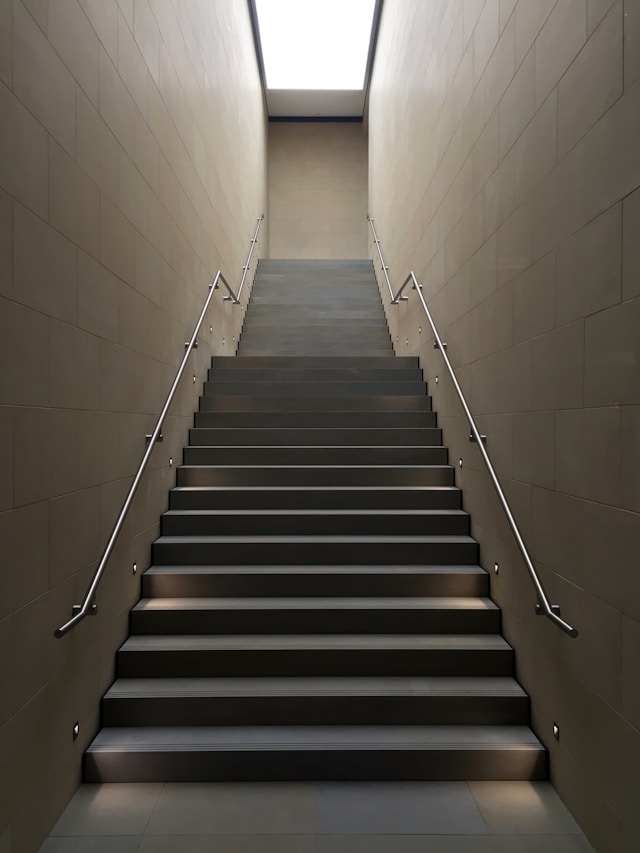
Good light is the first defense against a misstep. If the area is dark, it is hard to see where one step ends and the next begins. You should be able to see the entire staircase clearly from any angle without squinting.
Placing bright bulbs at both the top and bottom of the flight is a smart move. Motion sensor lights can help if your family forgets to flip the switch at night. These sensors act as a safety net during the late hours when someone is half – asleep.
Shadows can hide small objects or uneven surfaces. Make sure the light covers the entire path so no dark spots remain to trip someone up. A well – lit area makes the whole house feel more welcoming and secure.
Checking Handrail Stability
A loose railing provides a false sense of security. You need a sturdy grip to catch yourself if you lose your balance for a moment. A rail that shakes under pressure is worse than having no rail at all.
Having an extra layer of protection gives everyone more confidence. Many homeowners find that easy to install stair runners help provide a bit of extra grip underfoot. This small change makes a big difference when children or pets are running around.
Grab the rail and give it a firm tug to see if it wobbles. Tighten any screws or brackets that have come loose over the years of constant use. This task only takes a few minutes but can save a person from a nasty fall.
Managing Surface Textures
Bare wood or tile can be quite slippery for someone wearing socks. The material you choose for the steps plays a massive role in preventing falls. High-gloss finishes might look nice – they often lack the necessary traction for safety.
A research study published in a medical journal suggested that professionals often prioritize simple, plain decor for stair coverings to help reduce confusion. Busy patterns might make it harder for the eyes to track the edge of the steps clearly. Keeping the design simple helps the brain process the height and depth of each tread.
Adding a bit of friction is always a good idea. Small pads or strips can help shoes and feet stay firmly planted during the climb. You can find options that match your home decor and provide a non – slip surface.
Removing Trip Hazards
It is tempting to leave laundry baskets or toys on the bottom step to take up later. These items are major obstacles that lead to stumbles in the dark. A clear path is the best way to prevent someone from losing their footing.
Keep the entire path clear of clutter from top to bottom. Even a small pair of shoes can cause a nasty fall if someone is not paying close attention. Make it a rule that nothing ever stays on the steps for any reason.
Teach children to put their things away in designated spots. Having a clean walkway is one of the simplest ways to protect your loved ones every single day. A tidy staircase is a safe staircase for everyone in the family.
Improving Visibility On Edges
Sometimes the steps blend together into a single blur. This is especially true if the wood or carpet is all the same color. Your eyes need contrast to help you judge the distance between each level.
An article from a geriatric society mentioned that items like handrails and edge highlighters are common safety tools used in many homes today. These features help the brain identify the exact spot where a foot should land. Improving these visual cues reduces the risk of overstepping or missing a step.
You can use contrasting tape or paint to mark the edge of each tread. This visual cue tells the walker exactly where to place their weight for maximum stability. It is a cost – effective way to make a uniform staircase much easier to navigate.
Safe Habits For Family Members
Teaching the family how to move safely is just as necessary as fixing the hardware. Running or jumping on the stairs should always be discouraged. Everyone needs to understand that the stairway is not a playground.
Use these tips to help build better habits:
- Always keep 1 hand on the railing.
- Avoid carrying heavy loads that block your view.
- Never use a mobile phone when moving between floors.
Slowing down for just a few seconds can prevent a lifetime of injury. Remind everyone that safety is a team effort that starts with personal choices. Consistent reminders help these safe habits become second nature for kids.
Routine Maintenance Checks
Wear and tear happen slowly over time without anyone noticing. A small rip in the carpet or a loose floorboard can grow into a hazard. Regular inspections help you catch these problems before they cause an accident.
Check the condition of your stairs at least 2 times a year. Look for nails that might be popping up or wood that has started to splinter. These small repairs are easy to handle if you find them early enough.
Fixing these minor issues immediately saves money and prevents pain. A well – maintained home is a safe home for every person living under your roof. Spending a few dollars on a small $10 fix now is better than paying hospital bills later.
Protecting your family means looking at the details of your living space. Taking these steps creates a secure environment where kids and adults can move freely. Your home should be a sanctuary where everyone feels safe at all times.
You do not have to change everything overnight to see an improvement. Start with the basics and keep working until your stairway is the safest part of the house. Small efforts lead to big results when it comes to home safety.
