Becoming a skilled hunter takes time and regular practice. Many people head into the woods expecting instant success without preparing beforehand. Make some small adjustments to your routine to start your next trip right from the start. Tracking your growth helps you see exactly where you need to improve before the season begins.
Track Your Progress Digitally
Modern tools offer excellent ways to log your field details and shooting percentages. When you use hunting apps like the Duckr app during your scouting trips, logging terrain details will be incredibly simple. Digital logs pinpoint your patterns and highlight areas needing extra attention. Keep clean records and look back at past success to plan your next outing perfectly.
With the right app, you can mark water sources and bedding areas to create a clear picture of animal movements. You can share these maps with hunting partners to coordinate your efforts safely. Having clear visuals prevents confusion when navigating unfamiliar territory in the dark.
Practice With Smaller Calibers
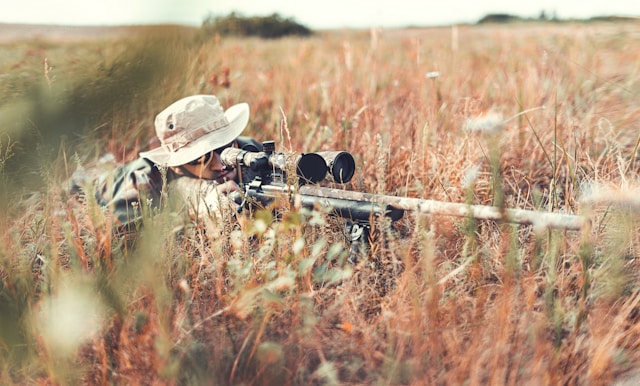
Spending hours at the range can get tiring when faced with heavy recoil. Redirecting your focus to lighter firearms allows you to focus purely on form. Smaller firearms offer minimal recoil, making them excellent tools for developing proper mechanics. You can shoot longer sessions without flinching or fatiguing your muscles.
Lighter rifles help you spot your own impacts through the scope. You can maintain your sight picture without the muzzle jumping completely out of view. The immediate feedback helps you correct errors instantly. Ammunition is less expensive, allowing for more frequent practice.
Improve Your Physical Fitness
Success in the hunting field comes with a mix of physical conditioning, deep concentration, and fast decision-making. Working on your cardiovascular health helps you hike long distances without getting exhausted. Regular workouts build the endurance needed to carry heavy gear across steep ridges.
A strong core improves your stability when shooting from standing positions. You can hold your weapon steadier for longer periods. Balance helps when climbing trees or crossing loose rocky slopes. Better balance prevents accidental falls in difficult brush.
Shoot Clay Targets Regularly
Moving targets need quick reflexes and steady hands. Clay games like skeet and trap provide excellent practice for mastering shotgun basics. These games simulate real scenarios under controlled conditions. Practice these drills at the local range:
- Skeet shooting provides cross-angle practice
- Trap shooting offers moving targets
- Sporting clays create unpredictable flight paths
Visiting the range weekly builds muscle memory that carries over to the field. Your hands automatically adjust to the speed of a flying bird. Regular practice removes the hesitation that may cause missed opportunities. Consistent shooting builds the deep familiarity required for challenging shots.
Master Topographic Maps and Compasses
Electronic navigation tools can fail when you least expect them. Batteries die, and signals fade, meaning every outdoorsman needs to understand traditional maps and compasses. Learning to read terrain lines keeps you safe in remote zones. Traditional navigation skills protect you when technology stops working.
Closely packed lines on a map indicate the presence of cliffs and difficult climbs. Identifying these areas beforehand helps you plan the safest route possible. You can find gentle slopes that save energy during long pack-outs.
Control Your Noise Level
Animals have incredibly sharp hearing and notice unexpected sounds immediately. Most people forget about the noise they make when walking to their stands. Quiet movement begins the moment you leave your vehicle. Moving slowly prevents wildlife from spotting your approach before you arrive.
Loose straps and clanking buckles can give away your position instantly. Securing your equipment with tape or fabric silences metal contact points. Testing your setup at home eliminates surprises in the quiet woods. Quiet gear allows you to adjust your position with no need to alert nearby game.
Practice Field Dressing Techniques
Harvesting an animal is only part of the process: removing internal organs quickly prevents spoilage and simplifies transportation. Learning these methods before your trip preserves the quality of the meat. Clean execution saves time and effort at the end of a long day.
Sharp knives make clean cuts and reduce the risk of accidents. Dull blades slip easily and cause unnecessary delays during the cleaning process. Keeping a sharpening stone in your pack keeps your tools ready. Proper maintenance extends the life of your hunting equipment.
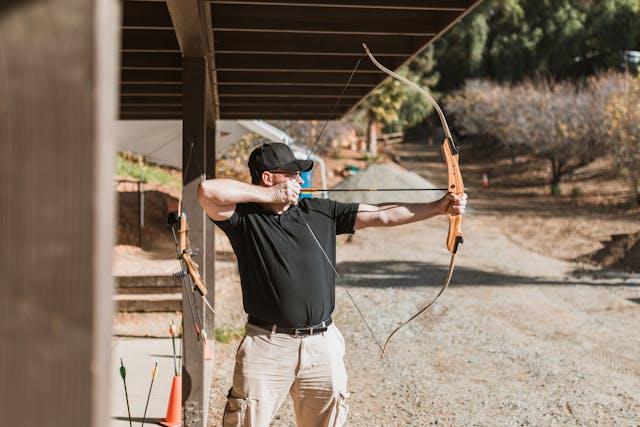
Improving your hunting abilities is a continuous process that rewards dedication. Focusing on small details like physical fitness and traditional navigation prepares you for any situation in the wild. Utilizing modern data tracking keeps you organized and focused on your goals.
Every trip into the wilderness provides an opportunity to refine your approach. Consistent effort turns basic habits into second nature.
