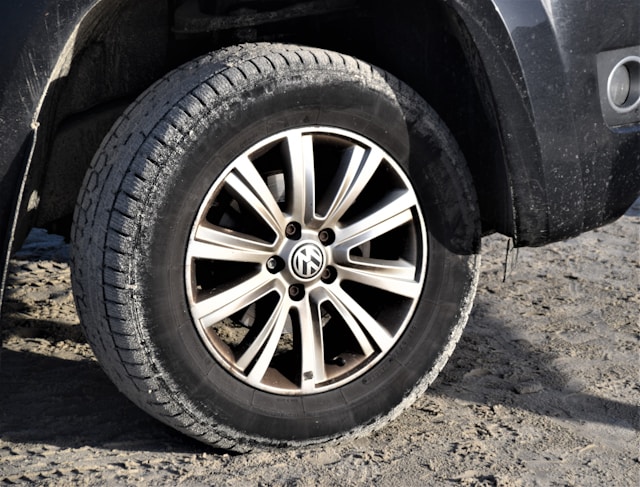
Most drivers associate tire quality with how their vehicle handles curves or responds to steering input. While handling certainly matters, the true safety implications of tire condition extend much deeper. Worn or degraded tires compromise your vehicle’s ability to maintain grip in adverse conditions and dramatically increase the distance required to stop in emergencies. Understanding these connections could be the difference between a close call and a collision.
The Science of Tire Grip
Tires are your vehicle’s only contact point with the road. Each tire creates a contact patch roughly the size of your hand, and within that small area, all acceleration, braking, and steering forces must be transmitted. The rubber compounds and tread patterns engineers design into tires maximize friction within this limited space.
Grip depends on several factors working together. The rubber compound must remain pliable enough to conform to road surface irregularities, creating mechanical adhesion. The tread pattern channels water, snow, and debris away from the contact patch to maintain direct rubber-to-road contact. As tires wear, both of these mechanisms degrade simultaneously.
Fresh tires with full tread depth can evacuate approximately one gallon of water per second at highway speeds. This capability diminishes proportionally as tread depth decreases. By the time tires reach the legal minimum of 2/32 of an inch, their water evacuation capacity has dropped by more than 80 percent. The result is hydroplaning at lower speeds and reduced wet-weather grip even when tires maintain surface contact.
How Wear Affects Stopping Distance
The relationship between tire wear and stopping distance is not linear—it’s exponential. Testing conducted by major tire manufacturers and independent safety organizations consistently demonstrates that stopping distances increase dramatically as tires approach the end of their service life.
A vehicle traveling at 60 miles per hour on wet pavement with new tires typically requires approximately 195 feet to stop. The same vehicle with tires worn to 4/32 of an inch needs roughly 260 feet. At the legal minimum of 2/32 of an inch, stopping distance can exceed 350 feet. That additional 155 feet represents more than ten car lengths—distance that could contain a pedestrian, another vehicle, or any number of obstacles.
Dry pavement stopping distances show less dramatic increases but remain significant. Worn tires lose braking efficiency even in ideal conditions because less rubber contacts the road surface and the remaining rubber has hardened from heat cycling and age. Every foot of additional stopping distance represents time and space a driver cannot recover in an emergency.
The Hidden Danger of Tire Age
Many drivers focus exclusively on tread depth while ignoring an equally important factor: tire age. Rubber compounds begin degrading from the moment of manufacture, regardless of use. Oils and plasticizers that keep rubber flexible gradually evaporate, leaving tires harder and less capable of conforming to road surfaces.
Industry guidelines recommend replacing tires after six years of service, regardless of remaining tread depth. Tires older than ten years should never be used, even if they appear visually perfect. The degradation occurs throughout the tire structure, not just at the surface, making visual inspection insufficient.
Heat accelerates this aging process significantly. Vehicles in warm climates or tires stored in direct sunlight age faster than those in cooler environments. Checking the manufacturing date stamped on every tire’s sidewall—a four-digit code indicating week and year of production—should become routine for every driver.
Recognizing Warning Signs
Responsible drivers learn to identify tire problems before they create dangerous situations. Uneven wear patterns indicate alignment or suspension issues that simultaneously degrade handling and reduce tire longevity. Cupping or scalloping along the tread suggests worn shocks or struts that prevent consistent road contact.
Vibration at highway speeds often signals internal tire damage invisible from the outside. Bulges or bubbles in the sidewall indicate structural failure that can lead to sudden blowouts. Any of these conditions warrant immediate professional inspection.
When drivers in central Texas notice these warning signs, finding a reliable tire shop in Waco or their local area becomes a priority. Professional technicians can assess whether tires require replacement or if other vehicle systems need attention.
Making Informed Replacement Decisions
Replacing tires before they reach minimum legal tread depth provides a meaningful safety margin. Many safety experts recommend replacement at 4/32 of an inch for drivers who frequently encounter wet conditions. This threshold maintains adequate water evacuation capacity while acknowledging that most driving occurs in less than ideal weather.
Investing in quality replacement tires pays dividends in safety performance. Premium tires use advanced rubber compounds that maintain flexibility longer and tread designs optimized through extensive testing. While budget options may appear attractive initially, their shorter lifespan and reduced wet-weather performance often make them more expensive over time.
Matching tires across all four positions ensures predictable handling characteristics. Mixing tire types, sizes, or wear levels creates unpredictable behavior during emergency maneuvers when drivers need consistency most.
The Bottom Line
Tire condition affects every aspect of vehicle safety, with stopping distance representing the most critical factor. The physics are unforgiving—worn tires simply cannot generate the friction necessary to halt a moving vehicle quickly. No amount of driver skill or advanced vehicle technology can overcome the limitations of degraded rubber meeting pavement.
Regular inspection, timely replacement, and attention to both wear and age protect drivers and everyone sharing the road. The investment required to maintain proper tire condition remains trivial compared to the consequences of brake failure when those final few feet matter most.
