Driving across the country by yourself offers incredible freedom and a chance to clear your mind. Solo journeys let you choose your own stops and set your own schedule. To prevent common travel mishaps, driving long distances solo should come with a solid safety strategy.
A little preparation keeps the journey stress-free and allows you to focus on the open road. Navigating unfamiliar highways demands constant awareness and a practical mindset from start to finish.
Planning Your Route Before You Leave
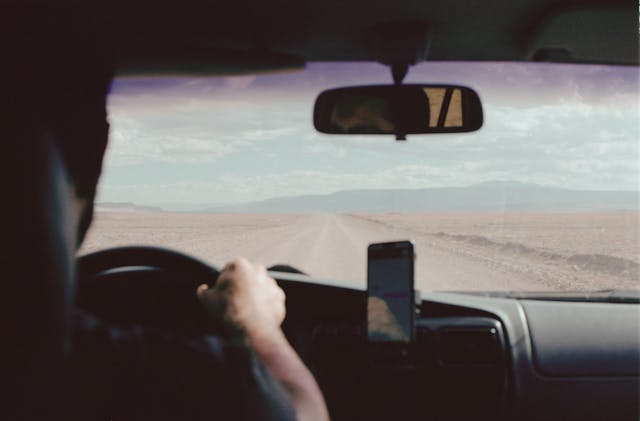
Mapping out your path before starting the engine prevents wrong turns in areas with poor cellular service. Download offline maps so you can navigate without active cellular data towers. Know your nightly destinations to remove the stress of finding lodging after dark.
Modern technology offers excellent tools for mapping out rest stops and tracking daily road conditions. Set up a reliable travel chatbot before your departure that provides instant answers regarding hotel bookings and roadside support. Having automated assistance can save hours of searching when you face unexpected highway detours.
Clear itineraries lower the risk of getting stranded in remote sectors without fuel. Look up gas stations along your path to avoid running low in empty stretches. Planning your fuel stops gives you the needed peace throughout the long driving hours.
Staying Connected With Family and Friends
Solo travelers need to maintain regular contact with someone back home throughout the journey. Sharing your location through smartphone apps allows friends to monitor your progress in real time. Send a quick update every time you pull over for fuel or food.
Establish a specific check-in routine before you start driving. Select a preferred communication method such as a group text message, a daily photo share, or a brief voice message. Sticking to a standard format makes it easy for the family to recognize your progress.
If your schedule changes due to traffic delays, notify your emergency contacts immediately. They will know when to expect your arrival and can alert authorities if you disappear from the radar.
Managing Fatigue and Rest Breaks
Drowsiness can slip up on you quickly when staring at long stretches of empty highway for multiple hours. Fatigue slows your reaction times and mimics the effects of driving under the influence of alcohol. Recognizing signs of exhaustion early prevents dangerous drifting between highway lanes.
Driver fatigue contributes heavily to highway accidents. Data demonstrates that motorists require a 15-minute rest break after spending every 2 hours behind the wheel. Stepping out to stretch restores your focus and keeps your reflexes sharp.
Avoid relying entirely on caffeinated drinks or loud music to stay awake during afternoon lulls. Drinking cold water or chewing gum offers short bursts of alertness. Scheduling overnight stays at regular intervals prevents the temptation to push through heavy exhaustion.
Parking Strategically for Quick Departures
Selecting the right spot to park your car at rest stops impacts your personal safety. Well-lit areas near building entrances discourage potential criminals from approaching your vehicle. Avoid parking next to large trucks that block the view of your vehicle from the main building.
Backing into a parking space creates an immediate and simple escape route if an uncomfortable situation arises. Facing forward allows you to drive straight out without maneuvering backward in a hurry.
Scan the surrounding environment before opening your car door to exit the vehicle. Keep your keys out and ready in your hand so you can unlock the door immediately. Quick actions reduce your vulnerability when moving through quiet parking areas alone.
Keeping Your Vehicle in Top Shape
Mechanical failures create massive headaches when you are miles away from the nearest service station. Inspecting your automobile before launching a long trip minimizes the chance of an unexpected breakdown. Regular maintenance checks keep the car running efficiently across changing terrain.
Inspect specific components of your vehicle to confirm they can handle hundreds of miles. Regular checks protect you from getting stuck on the highway shoulder:
- Examine tire tread depth and verify the air pressure matches manufacturer specifications
- Check fluid levels, including engine oil, coolant, brake fluid, and windshield washer liquid
- Test all exterior lights and turn signals to confirm high visibility for other drivers
- Confirm the spare tire is fully inflated and all changing tools are present in the trunk
Carrying a basic roadside assistance kit provides security during unexpected mechanical complications. Include jumper cables, a flashlight with fresh batteries, and a basic tool set for minor repairs. Preparation prevents small issues from turning into major travel disasters.
Managing Cash and Valuables Safely
Flashing expensive items or large stacks of paper money can attract unwanted attention at gas stations. Keep your laptop, bags, and expensive camera gear hidden beneath the seats or inside the locked trunk. Thieves target vehicles with valuable items sitting out in plain view on the passenger seats.
Splitting your financial assets across multiple locations protects your funds if a wallet gets lost. Stash an emergency credit card and some extra bills in a hidden compartment inside your vehicle. The use of digital payment methods on your smartphone reduces the need to carry massive amounts of paper currency.
Lock your vehicle doors immediately after stepping inside, even if you only plan to check a map. Keeping windows rolled up in heavy traffic or slow towns prevents opportunistic theft from happening. Small security habits create a solid shield against common travel crimes.
Trusting Your Instincts in Unfamiliar Places
Internal warning signs alert you to danger before your logical brain fully processes the environment. If a rest stop or hotel feels uncomfortable, leave the area immediately without overthinking the decision. Your personal safety matters far more than sticking to a rigid travel timeline or saving $50.
Developing strong situational awareness helps you identify potential threats. You can practice several basic strategies while moving through new cities:
- Keep your head up and maintain open eye contact with people around you
- Avoid looking at your smartphone screen while walking through unfamiliar parking lots
- Stay in well-lit, populated areas during evening stops for food or fuel
- Have a clear destination in mind before exiting your parked automobile
Seeking assistance from official employees or store workers provides a layer of security when feeling unsafe. Walk directly into a business and ask for help if someone appears to be following you. People are willing to assist a solo traveler who needs a safe space.
Embarking on a solo driving journey offers an incredible opportunity for personal growth and exploration. Take the time to prepare your vehicle and plan your path to protect your independence. Minor safety routines keep your journey smooth and let you enjoy the freedom of the open highway. Keep your awareness high, trust your gut feelings, and embrace the adventure.
