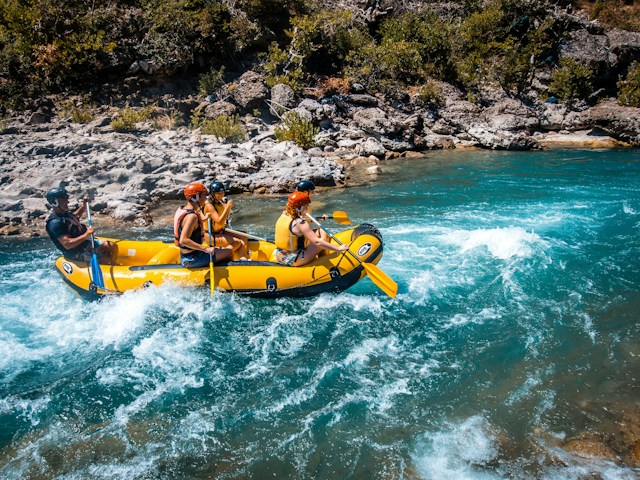
A three-day trip through Class IV rapids demands a different body, budget, and mindset than a two-night float with mellow riffles and long, quiet stretches of river. Multi-day rafting trips vary enormously depending on the river, the outfitter, and what happens once the boats pull ashore each evening. Sorting through those differences before booking saves you from ending up on a trip that’s either too tame or way beyond what you bargained for.
Know Your Water Before You Book
Rivers are graded on a scale from Class I (flat water) to Class V (expert-only, high-consequence rapids), and that rating should drive most of your decision-making. A trip advertised as “family-friendly” typically runs Class II-III water, with rapids that splash and thrill but rarely flip a raft. Anything labeled Class IV or higher means real technical maneuvering, mandatory swim tests in some cases, and outfitters that will ask about your swimming ability and prior rafting experience before confirming a spot.
Check whether the rating is seasonal. Snowmelt-fed rivers in the Rockies, for instance, run much higher and pushier in June than in August, so the same stretch of river can feel like a different trip depending on the month. Ask outfitters directly what the water level has been running at recently, not just what the brochure says.
Match the Trip Length to Your Schedule and Stamina
Overnight trips generally run anywhere from two to seven days, and the jump in commitment between a two-night trip and a five-night trip is bigger than the numbers suggest. A two-night trip usually covers 15 to 25 river miles, with one or two significant rapid sections and plenty of time at camp. A five-night expedition might cover 80 miles or more, with early wake-up calls, longer paddling days, and less flexibility if weather or fatigue sets in.
Consider not just vacation days but physical readiness. Paddling for four to six hours a day, hauling gear at camp, and sleeping on the ground each night adds up. If it’s been years since a multi-night camping trip, a shorter itinerary makes for a gentler introduction before committing to something longer.
Decide Between Paddle Rafts and Oar Rigs
Most outfitters offer a choice, or a mix, of paddle rafts and oar-powered rafts. Paddle rafts put everyone to work with a paddle in hand, following commands from a guide who steers from the back; they’re more physically engaging and give a stronger sense of teamwork through the rapids. Oar rigs are rowed entirely by a guide, which frees passengers to simply hold on, take photos, or just watch the scenery go by.
Trips that include an oar-rig option are worth it for reasons beyond comfort. They allow older kids, aging parents, or anyone recovering from an injury to join the same trip as more active paddlers, since everyone can ride in a raft suited to their energy level. Ask outfitters whether they run both types on the same departure, since not all do.
Factor In Camp Style and Amenities
Overnight river camps range from bare-bones tent sites to surprisingly comfortable setups with cots, camp chairs, and multi-course dinners cooked over a Dutch oven. Some outfitters pack in wine and fresh vegetables for the first night or two, while extended trips necessarily shift toward more durable, less perishable meals. If camp comfort matters, ask specifically what’s provided: tents, sleeping pads, camp toilets, and whether guests carry any personal gear during the day or if it rides in the raft.
Bathroom setups also vary by river and permit system. Many U.S. rivers require groover-style portable toilet systems, and outfitters differ in how private or exposed those setups are. It’s a small detail that matters more than people expect once actually on the river.
Consider the Season and the Scenery
Snowmelt rivers in the Rockies typically peak in late May through June, offering bigger rapids but colder water, while late summer trips tend to run mellower and warmer, better suited to first-timers or families with younger kids. Fall trips on some rivers bring changing foliage and quieter canyons, with fewer other groups on the water. For those specifically wanting a mix of adrenaline and comfortable camping, overnight white water rafting on rivers like Montana’s North Fork of the Flathead combines rapids with the kind of wilderness scenery that makes the slower moments between rapids just as memorable.
Ask About Group Size and Guide Ratios
Group size shapes the feel of a trip as much as the water does. Larger outfitters might run 20 or more guests across several rafts, which can mean a livelier camp atmosphere but less individual attention. Smaller operations capping trips at eight to twelve guests tend to offer more flexibility, since guides can adjust pacing or itinerary based on the group’s ability. Ask directly how many guests are booked on a given departure and how many guides will be along, since a 4-to-1 guest-to-guide ratio feels very different from 10-to-1.
Finding the Right Fit
The best overnight rafting trip is rarely the one with the biggest rapids or the longest itinerary. It’s the one that matches actual swimming ability, physical stamina, and tolerance for cold water and dirt under the fingernails with what the river and outfitter actually deliver. Call outfitters directly, ask about current water levels, camp setups, and group sizes, and book the trip that fits the traveler, not just the destination.