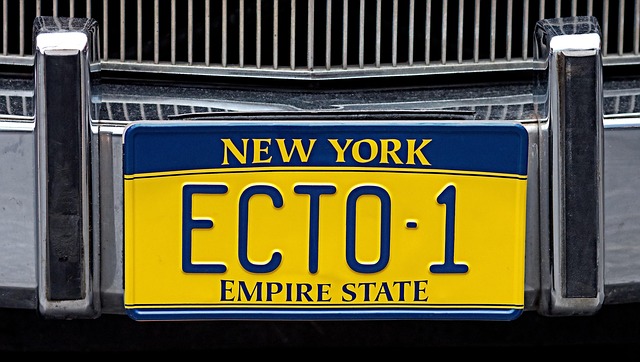
You spent real money on a personalized plate, waited weeks for it to show up, and opened a letter telling you the configuration was denied. The time is gone. Sometimes the fee is gone too. And in a growing number of cases, the only reason you get is a line from the state code about anything ‘offensive to good taste and decency.’
That letter is the end of a process almost no driver sees. On one side of it sits a committee of state employees armed with slang dictionaries and reverse-reading worksheets. On the other sits a line of federal case law that keeps shifting under the committee’s feet.
Which seven characters you’re allowed to bolt to your bumper is a weirder, more contested question than it looks.
Two Very Different Theories of What a Plate Is
Every vanity-plate rejection traces back to one legal question: when you ask for GR8MOM or FCKTAXES, who is doing the talking? You, or the state?
In 2015, the U.S. Supreme Court said the state. The Walker decision split 5-4 in favor of treating specialty plate programs as government speech, which gave DMVs wide room to reject designs they didn’t want associated with the state. Walker involved a Confederate flag specialty plate, not a vanity configuration. DMVs across the country still pointed to it the next week as the authority for rejecting letter combinations too.
That framing is also why aftermarket specialty plate retailers occupy the niche they do, selling novelty and custom front plates to drivers who want a configuration without putting it through DMV review at all. Lower courts have been chipping at the government-speech framing ever since. The split now runs down the middle of the federal judiciary, and your odds of winning an appeal depend less on what you wrote than on which circuit you live in.
The Review Room Versus the Algorithm
How a request actually gets denied also splits two ways: humans reading each application, or software flagging first and humans deciding later.
Neither method is especially consistent. The same four letters can clear in one state and get bounced in a neighboring one. California’s own application form warns applicants that configurations carrying a connotation offensive to good taste will be refused, and reviewers lean on slang databases, reverse spellings, and foreign-language lookups to make the call.
Rejection Numbers Are Smaller Than You’d Think
The denial rate is the part most drivers get wrong. Headlines about rejected plates make it sound like reviewers are swinging a hatchet. The real numbers are modest. Larger states run higher raw totals and similar percentages. Reviewers aren’t trigger-happy. The problem is that when they do pull the trigger, the standard they’re applying is vague enough that identical requests can produce opposite outcomes from one year to the next.
The Courts Keep Changing the Rules Underneath Them
Two recent rulings now sit directly against each other, which is why DMV counsel offices are quietly nervous. In February 2025, the Tennessee Supreme Court upheld the state’s program against a First Amendment challenge, treating personalized plates as government speech the state can police. A Virginia case moving in the opposite direction has drawn attention as a possible Supreme Court vehicle for revisiting Walker.
A split like this usually invites the Supreme Court back in. Until that happens, your plate’s legal status depends on your zip code.
When the Committee Wins, and When You Do
The practical answer, if you want a specific configuration and don’t want to litigate, comes down to reading your state’s rejection logic honestly.
The letters on your bumper look like a small thing. The decision about which letters you’re allowed to bolt there is a running argument between a committee with a slang dictionary and a federal bench that can’t agree on what a plate even is. The next denial letter will tell you which side is winning this week.
