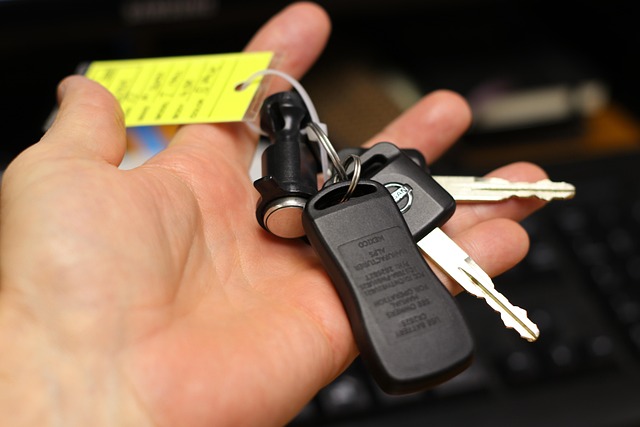
Your vehicle is at the shop and you still have to get to work, kids, doctors and more.
How can you do this without creating a huge debt?
Well, there are options such as a rental car or shop loaner. But who is responsible for these costs and what will happen if your car takes longer than expected? If you were injured you will want to keep transportation costs separate from your injury claim.
What you’ll learn:
- Who Pays for a Replacement Car?
- Rental Car or Shop Loaner: What to Check
- Why Repair Dates Keep Moving
- What Happens When Rental Coverage Ends
- The Records That Can Protect Your Claim
- Where Pain and Suffering Damages Fit In
Who Pays for a Replacement Car?
First, you want to contact the insurance company.
Texas allows for transportation to be paid by the at fault party’s insurance company while your car is being repaired. The other driver’s insurer may dispute fault, so a rental might not be approved right away.
Your insurance policy may allow you to receive a rental car as well. Make sure you have rental reimbursement coverage on your policy. This will allow you to rent a vehicle after an accident depending on the amount listed on your policy. You may also be able to take cabs or use Lyft/Uber. Just having collision coverage does not mean you will be reimbursed for a rental car.
Ask the insurance company how much they will reimburse you for per day, what kind of car and how you will be billed. If they bill the company directly, you will not have to worry about paying them upfront and filing for reimbursement.
If you were hurt in the same collision, legal help after a Houston car crash may help you assess the wider injury claim alongside vehicle-related losses. You will want to make sure your rental car is taken care of regardless of your injury claim.
Rent what you would normally drive, you don’t need to step up to a larger vehicle.
Rental Car or Shop Loaner: What to Check
When you rent a car, you will have a contract that you can reference to show how many days you rented the car.
Many dealerships or body shops offer loaners, however, they may not always be available to you. You may have restrictions when driving a loaner such as where you can drive, how many miles, and who can drive it.
When receiving any vehicle, you will want to make sure:
- You are insured – call your insurance company to see if your policy covers you while driving a rental or borrowed vehicle. It may not be the same as your normal coverage.
- Additional charges – will there be a deposit, gas, tolls, miles, additional drivers, etc.
- When do you return it – ask the body shop when your car will be ready to pick up. What happens if your car isn’t done by that time?
You want to take pictures of the vehicle you are borrowing. Save a copy of your rental information just in case the loaner is not charged to you.
Make sure you have everything you need to live your normal life, maybe you have kids that need car seats or require other accommodations.
Why Repair Dates Keep Moving
You may receive an estimate from your mechanic that it will only take a couple of days to get your vehicle back. But, it could take much longer than that.
According to Enterprise Mobility figures reported by Repairer Driven News, collision-related replacement rentals averaged 15.5 days in the third quarter of 2026. This is only an average of how long someone rented a car, it does not tell you how long your car will take to repair.
Your vehicle could sit in line to get repaired, once your vehicle is stripped down, the shop could find more damage to repair, wait on parts, and get approval from the insurance company to repair the extra damage. All of these factors can cause your vehicle to take longer than expected.
Find out what is keeping your car at the shop, is it waiting on a spot, parts, repair or just finishing up? At least you know why and can pass that along to your insurance company.
If your vehicle is taking longer, notify your insurance company.Texas insurance guidance says the other driver’s insurer might extend a rental if parts are delayed or more damage is found. There is no guarantee they will, but let them know what is going on with your vehicle.
What Happens When Rental Coverage Ends
Your rental may not be extended just because your car is taking longer to repair.
If you are using your rental reimbursement, you may only be allowed a certain amount of days or money to rent your car. If the other driver’s insurer is paying, it may question whether the full repair period is reasonable.
Ask your insurance company when your last day will be. If your vehicle is not safe to drive, ask the shop to notify them of why it isn’t ready. You can use that information to ask the insurer to reconsider an extension.
You may have to find another form of transportation if your rental car runs out early. There may or may not be a way to recover those costs.
Once your vehicle is deemed a total loss, your rental car could end sooner than you expect. Texas allows the insurance company to stop paying for your rental car after a few days of notifying you that your vehicle is totaled, even if you have not purchased a new vehicle yet.
The Records That Can Protect Your Claim
It is always beneficial to have records when trying to recover money from your claim.
Write down a timeline starting with when your vehicle went to the body shop, when you received your initial estimate, when they updated you on your car and when your car was ready to pick up.
Collect all documentation that may be helpful:
- Rental contract, bill, any receipts from other means of transportation
- Estimates from the body shop, supplements, and any communication with them regarding your car
- Emails from your insurance company on what they will pay for and when
This can be as simple as having a folder on your phone and writing down the dates.
Look over your final bill for the rental car, make sure the dates match up with when you returned it. If not, bring that up with the company that you rented the car from.
Where Pain and Suffering Damages Fit In
Rental expenses and pain and suffering damages are different types of losses, even when they arise from the same crash.
When renting a car, you can show that it costs you money. Pain and suffering has to do with how your injuries have affected you after your accident. One will not prove the other.
You may be angry that your car took too long to repair, but that does not prove you suffered an injury from your accident. Nor does how much you spent on a rental car prove you suffered an injury.
If you did suffer an injury, document how your injury has affected you after the accident. This could include medical bills, not being able to participate in activities you loved, and more.
If you cannot drive after your accident, there may be ways to help you with transportation. Explain your transportation needs to the relevant insurer and ask what the policy or claim may cover. A standard rental may not meet every need.
Wrapping It Up
You don’t want to be stuck without a car, and you don’t want to rack up a huge bill on your rental car. Make sure you ask questions, read your rental information, and keep records of your car while it’s at the shop.
