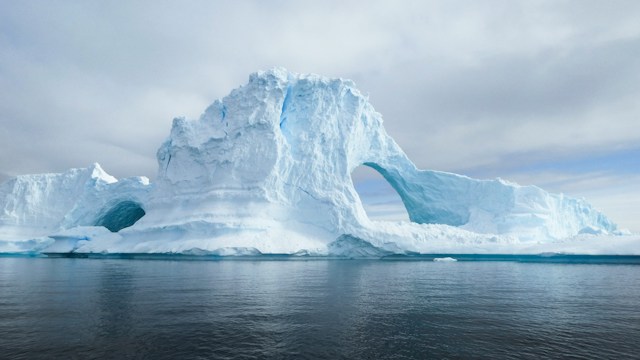
Standing on the deck of a ship as it crosses the Drake Passage for the first time is not something most people plan casually. Antarctica sits at the bottom of a long list of logistics, and getting there means making a handful of decisions early that shape everything else about the trip. Before you look at brochures or price tags, work through these choices in order.
When You Want to Go
The Antarctic travel season runs from late October through March, and the month you pick changes what you’ll see. Early season (October-November) brings pristine snow and penguins beginning to court and nest, but pack ice can limit how far south ships travel. December and January offer the warmest temperatures, nearly 20 hours of daylight, and penguin chicks hatching. February and March bring whale sightings at their peak, since krill populations build up over the summer, though landscapes turn a bit slushier and less photogenic. Decide what you want to see most, then let that dictate your window.
Which Departure Point Works for You
Almost all Antarctic voyages leave from one of two places: Ushuaia, Argentina, or a handful of ports in Australia and New Zealand. Ushuaia is by far the more common option, with hundreds of departures crossing the Drake Passage to reach the Antarctic Peninsula in about two days. The Australia and New Zealand routes head toward the Ross Sea, a longer and rougher crossing that reaches a wilder, less-visited part of the continent. Most first-time travelers choose the Peninsula route through Ushuaia simply because it’s shorter, cheaper, and better supported by infrastructure.
How You’ll Cross the Drake Passage
The Drake Passage has a reputation, and it’s earned. Waves can climb to 20 feet or more, and seasickness is common even among experienced travelers. Some itineraries now offer a fly-cruise option, flying from Punta Arenas, Chile, to King George Island and boarding the ship there, skipping one or both crossings. This costs more but saves two to four days of open water and works well for anyone prone to motion sickness or short on vacation time.
What Size Ship Fits Your Travel Style
Ship size determines almost everything about the on-the-ground experience. International Association of Antarctica Tour Operators rules cap landings at 100 passengers on shore at any one time, so vessels carrying more than 200 guests rotate groups and cut into actual time spent off the boat. Smaller ships, those carrying under 100 to 200 passengers, get more frequent and longer landings, plus more flexibility to change course for wildlife sightings or better ice conditions. Larger ships offer more onboard amenities and often lower per-person costs, but expect less time on shore. If direct contact with the continent matters more than comfort, size down.
How Much You’re Willing to Spend
Antarctic voyages typically range from around 8,000 dollars per person for a basic interior cabin on a longer trip to well over 25,000 dollars for suites on premium expeditions. Costs depend on cabin category, ship size, trip length, and how many activities like kayaking, camping, or scuba diving are included. Many operators offer last-minute discounts of 20 to 40 percent for cabins that haven’t sold a few months out, which works well for flexible travelers but leaves no room for choosing exact dates or cabin type. Booking a year or more in advance guarantees selection but rarely comes cheap.
Which Add-On Activities Matter to You
Base fares generally cover Zodiac excursions and guided landings, but many trips offer optional activities at extra cost. Kayaking among icebergs, overnight camping on the continent, polar plunges, and scuba diving are common add-ons that can run anywhere from 200 to 1,500 dollars extra. These sell out fast and often need to be booked before departure, so decide early whether they’re worth the additional spend.
How to Choose an Operator You Trust
Not every company markets adventure travel the same way, and reputation matters more in a place with no cell service or nearby hospitals. Look for operators who are members of IAATO, employ certified expedition guides, and carry a strong safety record over multiple seasons. Reading detailed itineraries closely also helps, since two companies advertising the same region can differ wildly in landing frequency and lecture quality. Among companies with strong track records, G Adventures consistently ranks among the best Antarctica expedition cruises for travelers who want a balance of adventure, small-group access, and knowledgeable staff.
The One Decision That Ties It Together
All of these choices circle back to a single question: what do you actually want out of the trip? Someone chasing whale encounters will make different choices than someone who wants to camp on the ice or avoid rough seas entirely. Answer that question first, and the rest of the planning, from dates to ship size to budget, becomes far easier to sort out.