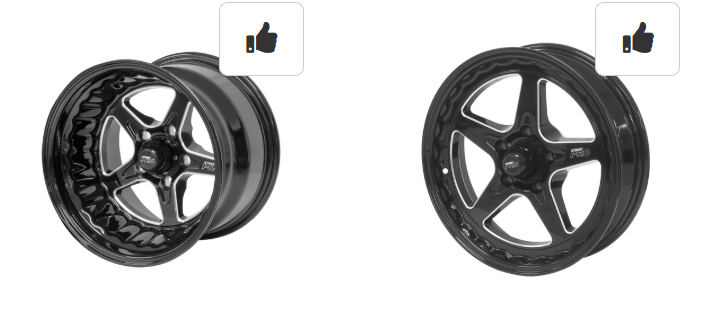
Upgrading your car’s wheels does far more than sharpen its look. The right set can influence how your vehicle handles, how efficiently it uses fuel, and even how safe it feels on the road. Among the many aftermarket options available, mag wheels stand out as a popular choice thanks to their mix of strength, lightness, and style.
However, before diving into the huge range of designs on the market, it helps to understand what sets them apart and how to match them properly to your car.
What Makes Mag Wheels a Popular Choice?
Mag wheels are made from blends of aluminium or magnesium alloys rather than heavy steel. The reduced weight alone makes a noticeable difference. Lighter wheels ease the strain on suspension, sharpen acceleration and braking, and in many cases contribute to better fuel efficiency. On top of that, they are available in an endless variety of designs, from understated spokes to bold, sculpted patterns that transform the character of a car.
Where steel rims tend to be functional but plain, alloy wheels offer freedom in both form and finish. Manufacturers can craft intricate shapes without compromising strength, which is why they have become standard on many new vehicles and an upgrade of choice for older models.
Matching Mag Wheels to Your Vehicle Type and Driving Style
No two cars are the same, and neither are the needs of their drivers. And that is why wheel choice should start with a realistic look at how the vehicle is used. A hatchback weaving through traffic every day does not need the same setup as a performance sedan that regularly stretches its legs on open roads or a Ute carrying heavy loads.
If you mainly drive in the city, you will likely want durable, low-maintenance wheels that can shrug off kerbside knocks. Sports cars benefit more from ultra-light designs that shave precious weight and improve cornering response.
Factors to Consider When Selecting Mag Wheels
Beyond looks, wheels have to meet strict technical requirements to fit and function properly. The bolt pattern, offset, and load rating all need to align with your car’s specifications. Even if a wheel is the right diameter, the wrong offset could lead to clearance issues or poor handling.
Size and width are also worth thinking through carefully. Bigger wheels paired with low-profile tyres can look impressive but often reduce ride comfort. A wider track might sharpen cornering, but risks rubbing against the wheel arches if miscalculated.
Style, Finish and Brand Choices
The appeal of alloy wheels lies not only in performance but also in the sheer range of finishes on offer. Matte black, polished chrome, satin silver, or more adventurous colours, each creates a different impression. But practicality should guide the decision as much as personal taste.
Glossy or polished finishes can dazzle under showroom lights yet demand more upkeep, as scratches and oxidation show easily. Matte or satin coatings are subtler, less prone to marks, and easier to clean. Choosing a reputable brand matters as well. Quality manufacturers back their wheels with clear certification, testing data, and warranties that add peace of mind.
Fitment and Compliance Considerations
Getting the right look is only part of the equation. Wheels must comply with legal and safety standards, which can vary depending on where you drive. Limits on size increases, offset changes, or load ratings are in place for good reason. Fitting wheels outside those limits could result in fines, failed inspections, or even insurance problems.
That is why consulting a wheel specialist or mechanic before buying is a smart practice. They can check measurements, recommend trusted brands, and confirm whether your chosen wheels are road-legal.
Final Thoughts
Choosing wheels is a balance between aesthetics and engineering. Eye-catching designs may turn heads, but it is the less visible factors that determine whether they truly suit your car.
By weighing up the things we have discussed above, you will end up with wheels that not only elevate the look of your car but also deliver reliability and performance over the long term.
