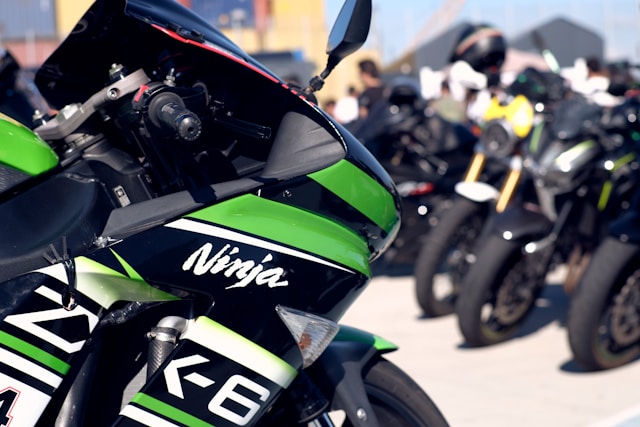
You prep your bike, map out the perfect scenic route, and spend a few days surrounded by thousands of fellow riders who share your passion. The energy is high, the camaraderie is unmatched, and the entire weekend feels like a victory lap for the riding community. But when the tents pack up, and everyone hits the road at the same time, the vibe shifts. Sadly, the journey back is often where things go sideways. If the worst happens on your way back, reaching out to a lawyer for injured motorcyclists can help you navigate the messy aftermath. It turns out that the ride home from a rally is statistically one of the most dangerous stretches of road a rider will ever face.
The Deadly Cocktail of Physical Exhaustion
Think about what a weekend at a rally actually looks like. You are spending hours in the saddle, walking miles across hot asphalt, sleeping in a tent or a noisy motel, and likely dehydration is setting in. By Sunday afternoon, your body is completely spent.
When you are physically exhausted, your reaction times drop off a cliff. On a motorcycle, a split-second delay in braking or swerving can mean the difference between a close call and a trip to the hospital. Your eyes get heavy, your focus drifts, and you miss the gravel in the turn or the brake lights of the truck ahead of you. You might feel fine when you first turn the key, but an hour into a monotonous highway ride, the fatigue will catch up to you.
The Mental Fog and Post-Event Blues
There is a real psychological shift that happens when a big event ends. During the rally, your adrenaline is pumping. You are on high alert, soaking in the sights and sounds. The moment you point your front tire toward home, the excitement drains away, and reality sets in.
This mental crash creates a dangerous fog. You stop scanning the road with the same intensity. You start thinking about the workweek ahead and the chores waiting at home. You also suddenly feel just how bad your back hurts. This lack of situational awareness is lethal. Motorcyclists survive by being hyper-vigilant, so the moment you let your guard down and coast on autopilot, you become incredibly vulnerable to every distracted driver around you.
Gridlock and Asphalt Anguish
When a rally wraps up, thousands of bikes and support trucks all pack up and hit the pavement at the same time. It turns out to be a massive bottleneck. Quiet, local two-lane highways that usually see barely any traffic suddenly look like a gridlocked parking lot, and that is where the trouble starts.
This sudden crush of vehicles after the rally creates quite a pressure cooker on the asphalt. Riders often experience the following:
- Feel impatient after a long weekend
- Start pulling risky lane splits
- Force aggressive passes just to get moving
At the same time, local drivers who are just trying to head to the grocery store get completely fed up with the sea of motorcycles blocking their usual routes. That frustration quickly boils over into road rage and erratic driving. When you mix thousands of exhausted riders with angry locals on a congested road, it is a recipe for a total disaster.
Weather Changes and Changing Terrain
When you ride out to a rally, you usually plan your departure around a clear weather window. On the way home, you do not always have that luxury. You have to get back to work, so you ride through whatever nature throws at you.
Riding home often means tackling tough terrain or bad weather while you are already compromised. After all, you’re already tired. Sudden downpours and high winds on open plains feel harder. Navigating dark mountain passes at night becomes twice as dangerous when you are fighting off sleep and muscle aches.
How to Protect Yourself on the Return Journey
You do not have to skip the next big rally, but you should adjust your approach to the trip home. With a little strategy, you can beat the odds and get back to your garage safely.
- Plan a Buffer Day: If the rally ends Sunday, do not leave right away. Riding five hundred miles home that afternoon isn’t a good idea. Stay an extra night and get a good sleep. Leave Monday morning when the traffic has cleared out.
- Hydrate Early and Often: Do not rely on energy drinks to get you home. Drink water and eat actual food to keep your blood sugar stable.
- Take Frequent Breaks: Stop every hour to stretch your legs and walk around. This gets your blood flowing. If your eyelids feel heavy, pull over immediately.
Final Word
No one wants to think about accidents while packing up after a great weekend with friends. However, recognizing that the ride home requires more focus than the ride there can save your life. If you do find yourself in a wreck due to a negligent driver, a trusted lawyer for injured motorcyclists can fight for your rights while you focus on healing. Take your time, stay alert, and make sure the memories from your trip are good ones.
