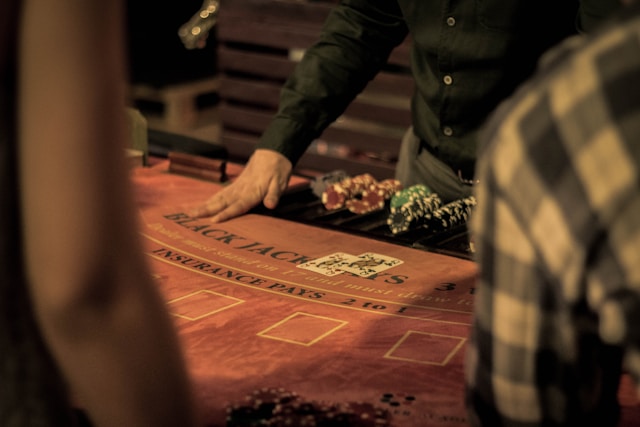
For a long time, gambling was framed as a niche pastime: a late-night casino trip, a weekend in Las Vegas, or a sports bet placed for extra adrenaline during a big game. That picture has changed. Today, gambling is increasingly woven into a broader entertainment lifestyle shaped by travel, technology, sports culture, luxury experiences, and the desire for curated downtime.
That shift matters because modern men no longer separate “going out,” “watching the game,” “traveling,” and “playing for fun” into completely different categories. They often live inside one blended entertainment ecosystem. A poker room can be part of a social night out. A sportsbook can be part of game-day ritual. A casino resort can be as much about restaurants, shows, nightlife, and atmosphere as it is about the gaming floor.
The numbers support that evolution. In the U.S., the American Gaming Association says commercial gaming revenue reached a record level in 2024, with online gaming accounting for a growing share of total industry revenue. That does not just point to higher gambling activity; it also reflects how gaming has become more accessible and more integrated into mainstream leisure habits.
Entertainment First, Gambling Second
One of the biggest reasons gambling has moved into lifestyle culture is that the best casino experiences no longer sell only the game. They sell the environment around it.
This is something Las Vegas helped normalize years ago. Research tied to UNLV’s hospitality and gaming scholarship has long described how casino destinations expanded beyond gambling into resorts, nightlife, dining, conventions, luxury shopping, and live entertainment. In other words, the gambling floor became just one part of a bigger leisure product.
That same mindset now influences digital gambling too. Many players are not looking only for high-risk action. They want convenience, design, ease of use, mobile access, and a sense that the experience fits naturally into the way they already consume sports, gaming, and entertainment media.
For men especially, this makes gambling feel less like a separate world and more like an extension of existing interests. If someone already follows UFC, Premier League, Formula 1, poker streams, gaming creators, or Las Vegas travel content, casino culture is only a short step away.
The Appeal of Control, Choice, and Personal Ritual
Another reason modern gambling feels lifestyle-driven is that it now offers more personal control than the old one-size-fits-all casino model.
In the past, the experience was mostly tied to a physical venue. Now, players can choose when to engage, how much time to spend, which format they prefer, and what type of experience fits their mood. Some want the spectacle of live dealer tables. Others prefer quick mobile sessions, poker strategy, or low-pressure bonus hunting.
That level of customization fits the broader way men build entertainment habits today. The same person might stream a fight card, order takeout from a favorite restaurant, browse travel deals, and check a casino app all in one evening. The common thread is not gambling alone. It is selective, on-demand leisure.
This does not mean gambling should be treated casually. It means the format has evolved into something that feels more familiar, more personalized, and more aligned with everyday digital entertainment behavior.
Why Bonuses and Offer Discovery Matter More Than Ever
As online casino culture grows, players are becoming more selective. They are not just looking for a platform; they are looking for value, flexibility, and transparency.
That is especially true for users who want to test a site before committing serious money. For many players, the smartest first step is comparing promotions that actually offer a realistic chance to explore gameplay without jumping into a heavy deposit commitment.
That is where research tools become part of the lifestyle equation. Instead of bouncing between offers blindly, readers often prefer curated resources that help them compare terms, formats, and practical options in one place. For anyone interested in reviewing games with cashable bonuses, a structured guide can be more useful than a flashy promo page because it turns impulse into informed choice.
In that sense, gambling content is starting to resemble the rest of men’s lifestyle media. Just as readers compare hotels, watches, streaming bundles, grills, or sneakers before spending, they now compare casino offers with the same consumer mindset.
Casino Culture Now Lives Alongside Sports, Travel, and Tech
Modern gambling has also become more culturally visible because it overlaps with industries men already follow closely.
Sports betting is the obvious example, but it is not the only one. Casino content now appears in conversations about mobile UX, payment speed, loyalty systems, travel destinations, and digital entertainment trends. The industry’s growth in regulated online channels shows that users are increasingly comfortable treating gaming as part of a legal, tech-enabled leisure market rather than something hidden on the margins. In Great Britain, official Gambling Commission data has shown online gambling participation remaining a meaningful part of overall recent gambling activity, highlighting how normalized digital play has become in regulated environments.
That normalization is important. It does not mean gambling is risk-free. It means the conversation has matured. Instead of presenting casinos as taboo or purely glamorous, more media outlets now discuss them the same way they discuss nightlife, travel, or premium entertainment experiences: with a mix of excitement, consumer awareness, and practical caution.
A Smarter Reader Wants Context, Not Hype
The modern male audience is also more skeptical than it used to be. Readers respond less to exaggerated “win big” messaging and more to useful context.
They want to know whether an offer is legitimate, whether the platform is easy to use, whether the terms are realistic, and whether the experience is actually enjoyable. That is why editorial-style casino coverage works better today than hard-sell copy. The subject performs best when framed through behavior, culture, design, and consumer decision-making.
CasinosAnalyzer fits into that more informed version of gambling culture. Rather than treating gambling as pure hype, the brand is known for organizing casino information into research-friendly pages that help users compare offers and understand what they are clicking into before they sign up.
That kind of editorial support matters because the modern player is less interested in fantasy and more interested in reducing friction. He still wants fun. He just wants the fun to feel smarter.
The New Status Symbol Is Experience, Not Excess
Perhaps the biggest reason gambling now belongs in men’s lifestyle culture is that modern status is no longer defined only by spending. It is defined by experience.
A great weekend is not just about luxury for its own sake. It is about having a story, a ritual, a setting, and a sense of occasion. That might mean a resort casino with a steakhouse reservation and a fight night on the big screen. It might mean a quiet poker session after work. It might mean trying out a few carefully chosen online games while comparing promotions like any other savvy digital consumer.
In that environment, gambling becomes part of a larger identity built around taste, choice, entertainment literacy, and controlled risk. It is no longer simply about chasing jackpots. It is about how the experience fits into a man’s broader lifestyle.
And that is exactly why modern gambling keeps moving closer to the center of entertainment culture: not because everyone wants to be a high roller, but because more people want their leisure time to feel immersive, flexible, and worth talking about.
