Selecting the right tools is crucial in construction for ensuring efficiency, safety, and quality. Each project is unique, requiring specific tools that match the type of work being carried out. Construction teams must consider multiple factors when choosing these tools, from the material requirements to the specific type of job at hand. Understanding how to navigate these choices can make a significant difference in project outcomes, impacting the budget.

Understanding Project Requirements
Before any tool is selected, it’s crucial for construction teams to assess the project requirements thoroughly. This includes evaluating the scope of work, material specifications, and even the environmental conditions under which the project will be executed. Projects that involve working with concrete will require specific tools designed for mixing, carrying, and pouring this material.
Knowing the structural requirements greatly influences which tools are appropriate. A project that requires a high level of precision will demand tools that can ensure accuracy, such as laser levels or digital measuring devices. Understanding the types of surfaces and materials that will be encountered during construction plays a role, as this could dictate whether power tools or hand tools are preferable.
Evaluating Tool Performance
The performance of construction tools directly affects productivity and project timelines. Regular evaluations of tool performance will help teams determine which tools best meet their needs. High-performance tools can expedite work processes, enabling workers to complete tasks more efficiently than standard tools. This evaluation often involves hands-on trialing, where construction teams test various tools in realistic environments to gauge their effectiveness.
When working on projects that involve mixing materials, the decision might lead teams to consider options like the Steel Slump Cone. This tool, Made of seamless spun steel for easy cleaning, ensures accuracy in assessing the consistency of concrete mixtures. Selecting trusted tools known for durability and performance can prevent delays and additional costs, positively impacting the project’s bottom line.
Safety Considerations
Safety should always be a priority when selecting construction tools. Each tool comes with its own set of risks, making it vital for teams to evaluate the safety features of equipment. This includes checking whether safety guards are in place, assessing the weight and balance of tools, and ensuring proper training is provided for all personnel using them.
Personal protective equipment (PPE) must be considered alongside tool selection. Construction teams should equip themselves and their workers with proper safety gear, such as gloves, helmets, and eye protection, depending on the tools being used. Having a well-defined safety protocol contributes significantly to maintaining a safe working environment and can decrease the likelihood of accidents on-site.
Budget Constraints
Budget is often the determining factor when choosing construction tools. Teams must balance the necessity for high-quality equipment against the financial constraints of the project. While it might be tempting to opt for the cheapest options, investing in higher-quality tools can lead to long-term savings by reducing breakages, increasing efficiency, and delivering better results.
Construction teams need to conduct a cost-benefit analysis when selecting tools. This analysis should consider the expected lifespan, costs related to maintenance, and any potential downtimes caused by inferior tools. Effective budgeting coupled with wise tool choices often translates to better project management and successful outcomes.
Training and Support
Even with the right tools, a lack of proper training can hinder project success. Construction teams should ensure all workers are adequately trained in the proper use and maintenance of the tools they will be handling. Ongoing support and training opportunities can prove beneficial, as new technologies and tool advancements emerge regularly.
Implementing training programs may involve practical demonstrations, hands-on workshops, or even online modules. These educational efforts empower workers to operate tools effectively and safely, leading to higher productivity and fewer accidents. Construction companies that prioritize training often find it pays off through improved worker satisfaction and a more skilled workforce.
Maintaining Tools for Longevity
The longevity of construction tools is a critical aspect that construction teams must manage. Regular maintenance checks, proper cleaning, and timely repairs can significantly extend the life of tools. Establishing a maintenance schedule helps identify issues before they escalate, ensuring that tools continue to perform efficiently throughout the project timeline.
Investing in tool maintenance is important for project efficiency. Tools that are well-maintained are less likely to fail during critical moments, which can save both time and money. By prioritizing the care of their equipment, construction teams can foster a culture of responsibility and effectiveness.
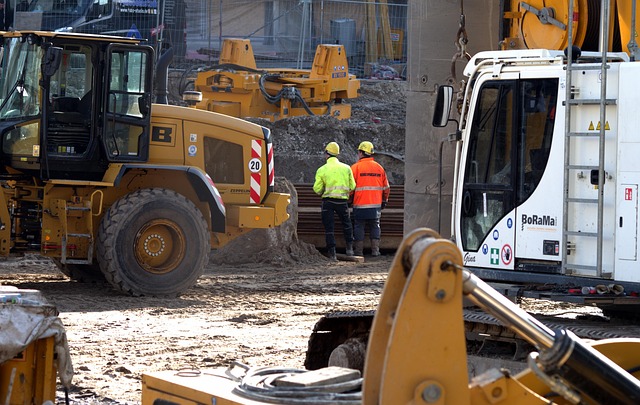
Choosing the right tools is fundamental for construction teams aiming to achieve success in their projects. From understanding project requirements and safety considerations to evaluating performance and making budget-conscious decisions, every aspect contributes to effective tool selection. In doing so, teams pave the way for smoother operations, enhanced productivity, and successful project completions.
