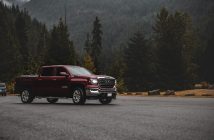
Calgary’s used car market gives buyers plenty of options, but more choices also mean more decisions to make. The right vehicle isn’t always the newest one, the cheapest one, or the one with the most features. It’s the one that fits your budget, driving needs, and expectations for reliability.
Before buying, it’s important to understand what affects a vehicle’s value, how to identify potential issues, and what separates a fair deal from a bad one.
Start With Your Budget Before You Start Shopping
A common mistake buyers make is focusing on the vehicle first and the budget second. It’s easy to get attached to a specific model, but the right purchase starts with understanding what you can comfortably afford.
Before comparing used cars in Calgary, take time to consider the full cost of ownership. The purchase price is only one part of the equation. Buyers should also account for:
- Monthly loan payments
- Insurance costs
- Fuel expenses
- Routine maintenance
- Repairs and unexpected expenses
- Registration fees
A vehicle that fits your monthly budget is more likely to remain affordable long after the excitement of the purchase wears off. Taking the time to understand your budget first also makes it easier to compare vehicles realistically and focus on options that make sense for your financial situation.
What to Look For When Buying a Used Car
Knowing what to look for when buying a used car can help you separate a good vehicle from one that may create problems later.
A vehicle should always be evaluated beyond its appearance. A clean exterior and modern features are important, but the details that matter most are often found in the vehicle’s history, maintenance records, and overall condition.
1 – Review the Vehicle History Report
A vehicle history report is one of the most important tools available to buyers. It can provide insight into:
- Previous accidents or reported damage
- Number of previous owners
- Service history
- Registration information
- Outstanding liens
Buyers in Alberta can also review official Alberta vehicle information services to access additional details that may help them make a more informed decision before purchasing a used vehicle.
A history report does not replace a professional inspection, but it gives you a clearer picture of what you are buying before making a commitment.
2 – Check the Vehicle’s Condition
Before purchasing, take time to inspect the vehicle carefully.
Look for:
Exterior concerns
- Uneven paint or mismatched panels
- Signs of previous repairs
- Rust or corrosion
- Tire wear
Interior concerns
- Excessive wear compared to the mileage
- Dashboard warning lights
- Condition of electronics and controls
Mechanical concerns
- Unusual engine sounds
- Fluid leaks
- Brake performance
- Transmission issues
A thorough inspection can reveal problems that may not be obvious during a quick walk-around.
The Test Drive Can Reveal What Photos Don’t
A test drive is your opportunity to understand how the vehicle actually performs on the road.
Instead of taking a quick lap around the block, test the vehicle in different conditions. Pay attention to:
- Acceleration and braking
- Steering response
- Transmission shifting
- Road noise
- Comfort
- Visibility
If you regularly drive in Calgary, consider how the vehicle handles your typical routes and conditions. A vehicle that feels right during a short drive should also feel practical for your everyday needs.
Financing Your Used Car Purchase
For many buyers, financing is a major part of the purchase decision. Understanding how loans work before choosing a vehicle can help you make a more informed decision.
What Credit Score Do You Need for a Car Loan?
Many buyers ask, what credit score do you need for a car loan, but there is no single number that guarantees approval.
Lenders typically consider several factors, including:
- Credit history
- Income and employment stability
- Existing debts
- Loan amount
- Down payment
A higher credit score may help you qualify for better interest rates, but buyers with limited credit history may still have financing options available.
Before applying, review your budget and understand what monthly payment works comfortably for you. A lower payment over a longer loan term may seem attractive, but it can increase the total amount you pay over time.
How to Negotiate Used Car Price
Many buyers feel unsure when it comes time to discuss price. Knowing how to negotiate a used car price starts with preparation, not confrontation.
Before negotiating, research similar vehicles and compare:
- Year and model
- Mileage
- Features
- Vehicle condition
- Market pricing
Having this information gives you a better understanding of whether the asking price is reasonable.
A strong negotiation is not always about getting the lowest possible number. Factors such as vehicle condition, included services, warranty options, and overall value can all influence whether you are getting a fair deal.
Calgary-Specific Factors to Consider When Buying a Used Car
Buying a vehicle in Calgary comes with a few unique considerations. Weather, road conditions, and driving habits can all influence which vehicle makes the most sense.
1 – Think About Winter Driving
Calgary winters can bring snow, ice, and changing road conditions. Many buyers consider features such as:
- All-wheel drive
- Winter tires
- Heated seats
- Remote start
- Block heaters
The right features depend on your lifestyle, commute, and where you typically drive.
2 – Consider Your Daily Routine
A vehicle that works for one driver may not work for another.
Think about:
- Daily commute distance
- Parking requirements
- Family needs
- Cargo space
- Fuel economy
Choosing a vehicle based on how you actually use it can help prevent buyer’s remorse later.
Your Used Car Buying Checklist Before You Sign
Before completing your purchase, review this used car buying checklist:
- Review the vehicle history report
- Confirm the mileage and ownership history
- Inspect the vehicle inside and out
- Complete a test drive
- Understand financing terms
- Review warranty options
- Calculate insurance costs
- Confirm the final purchase price
Taking these steps can help you make a decision based on facts rather than pressure or excitement.
Should You Buy a Used Car From a Dealership?
Buying from a dealership can provide additional support throughout the process, especially for buyers who want more information before making a decision.
A reputable dealership should provide clear details about the vehicle, answer questions openly, and make important information easy to understand.
Whether you are purchasing your first vehicle or replacing your current one, choosing a dealership that values transparency can make the buying process much easier.
The Difference Between a Good Deal and a Bad One
The price of a used vehicle is only one part of the decision. Two cars with similar mileage and features can have completely different ownership experiences depending on their history, condition, and how well they have been maintained.
Taking the time to ask questions, review the details, and look beyond the initial price tag can help you recognize a vehicle that offers real value. In the end, the best purchase is the one that makes sense before you sign the paperwork and continues to make sense after you drive it home.