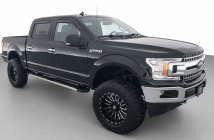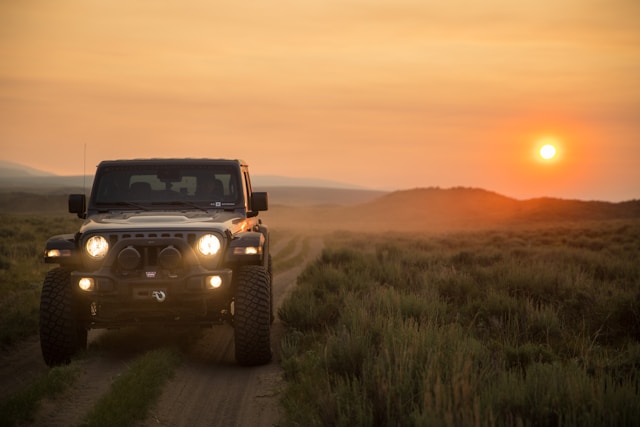
Changing the ride height of your Jeep or truck—whether through a suspension lift or leveling kit—is one of the most impactful upgrades you can make. Increased ground clearance, aggressive stance, and room for larger tires like 35 inch tires all sound great, but those benefits come with one crucial requirement: proper alignment.
Ignoring alignment after a ride height change can lead to serious handling issues, excessive tire wear, and premature failure of key suspension components. That’s why 4 Wheel Parts (4WP) prioritizes alignment as part of every lift installation. Their technicians understand the geometry behind lifted suspensions and ensure your setup stays safe, stable, and street-legal.
Let’s explore how changes to your steering and suspension affect handling, and why a professional alignment is non-negotiable after a lift.
Changes to Steering Geometry and Handling
When you lift a vehicle, you’re not just moving the body higher—you’re also altering the angles of vital components that control steering and suspension. These include:
● Caster angle: Affects directional stability and self-centering of the steering wheel
● Camber angle: Controls how tires make contact with the road
● Toe angle: Determines whether your tires point inward or outward when driving
Even a modest lift can throw these angles out of spec. Without correcting them, your vehicle might start pulling to one side, feel loose in corners, or chew through a brand-new set of 35 inch tires in just a few thousand miles.
4WP addresses these issues through expert alignment services that recalibrate your suspension geometry to match the new ride height. This isn’t a basic tire shop alignment—it’s tailored to lifted vehicles and backed by years of off-road experience.
Additionally, when larger tires are added into the mix, such as 33″ or 35″, the added weight and diameter change how your suspension and steering respond. The wrong alignment can make steering sluggish and increase stress on tie rods, ball joints, and bushings. Getting it dialed in right is essential for both performance and safety.
Why Proper Alignment Matters After a Lift
Proper alignment after a lift isn’t just about driving in a straight line—it directly impacts your vehicle’s durability, fuel economy, and off-road control. Here’s why alignment should never be skipped:
1. Prevents Premature Wear
Misaligned suspension can shred your tires unevenly, wear out bushings and joints faster, and lead to loose or wandering steering. This wear is magnified when running heavier tires like 35 inch tires, which already place more demand on your suspension.
2. Protects Your Investment
Whether you’ve upgraded with jeep lift kits or installed heavy-duty components like control arms and track bars, poor alignment puts those expensive parts at risk. Maintaining correct angles ensures your upgrades perform as intended and last longer.
3. Improves Handling On and Off Road
Proper alignment improves handling both on pavement and on the trail. When you’re navigating technical off-road sections or cruising at highway speeds, responsive steering and balanced suspension geometry help keep your vehicle predictable and under control.
4. Compliance with Manufacturer Standards
Some states and provinces have regulations regarding vehicle alignment and safety. Professional alignment ensures your lifted vehicle remains within legal limits and doesn’t compromise on-road safety standards.
Don’t overlook alignment even if your build includes other rugged parts like jeep bumpers or tire carriers. While those components contribute to durability and trail readiness, the way your suspension performs starts with the geometry—and that means alignment.
Final Thoughts: Let 4WP Get Your Alignment Right
Lifting your Jeep or truck is an exciting upgrade, but it’s not complete without precision alignment. Suspension geometry isn’t something you want to leave to guesswork—get it wrong, and you’ll pay for it in handling issues, worn tires, and safety risks.
4WP ensures that every ride height change, whether from jeep lift kits or aftermarket suspension parts, is supported by a professional alignment tuned specifically for your setup. Combine that with trail-proven upgrades like jeep bumpers and robust 35 inch tires, and your vehicle is ready to tackle anything—from daily driving to extreme off-road terrain.