Snowmelt from the Rockies decides everything about rafting season near Denver, and that melt doesn’t follow a calendar so much as it follows temperature and snowpack. Rivers like the Clear Creek, Arkansas, Colorado, and Cache la Poudre all wake up, peak, and settle down on their own timelines. Knowing what each month actually looks like on the water helps you pick the right trip instead of guessing.
April: The Season Wakes Up
Early April is quiet on most rivers close to Denver, with outfitters still prepping boats and checking permits. A handful of lower-elevation stretches, particularly on the Arkansas River near Cañon City, sometimes open late in the month if conditions allow. Water is cold and flows are modest, so trips tend to be shorter and geared toward visitors who want a first taste of moving water without full whitewater intensity.
Air temperatures can swing wildly this time of year, from the 60s down to snow flurries within a single week. Outfitters running early-season trips supply wetsuits and splash jackets as standard gear, not an upsell. If a trip is available in April, it’s usually a good sign that the outfitter has been doing this long enough to read the river correctly.
May: Flows Start Climbing
May marks the real start of the season for most rivers feeding into the Denver area. Snowpack in the high country begins melting in earnest, and rivers like Clear Creek and the upper Arkansas start showing consistent, rafting-worthy flows. This is when class III and IV sections open up for outfitters running trips within an hour or two of the city.
Water temperatures remain cold, generally in the 40s, so wetsuits stay mandatory. Flows can also change day to day depending on how warm the nights and days have been, which means the same stretch of river might feel noticeably different on a Tuesday versus a Friday. Booking with a local outfitter who checks gauge readings daily is worth more than any guidebook at this point in the season.
June: Peak Whitewater
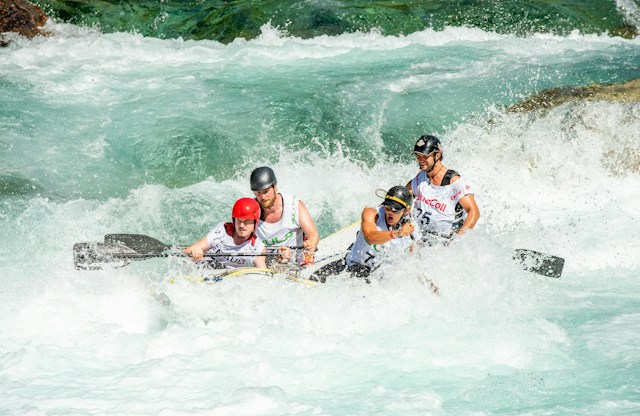
June is when rivers around Denver hit their highest and most exciting flows. Runoff from a full winter of snowpack pushes rivers like Clear Creek, the Arkansas, and the Colorado into their most technical whitewater of the year. Rapids that might be a mellow class II in August can run class IV in June, depending on the specific stretch and the year’s snowpack.
This is the month serious rafters wait for, and it’s also when Denver white water rafting options are at their widest, with more sections open, more departure times available, and more outfitters running full schedules. Reservations fill quickly, especially on weekends, so booking two to three weeks ahead is a reasonable rule of thumb. Families with younger kids might want to wait a few weeks for flows to mellow slightly, since some June trips carry age or weight minimums due to the intensity of the water.
July: Strong Flows, Warmer Water
July keeps the excitement going while adding a layer of comfort that June often lacks. Water temperatures climb into the 50s and sometimes low 60s, making swims and splashes far less shocking. Flows are still strong on most rivers, particularly after a heavy snow year, though they typically ease compared to peak June numbers.
This is often considered the sweet spot for visitors who want real whitewater without the coldest water of the season. Afternoon thunderstorms become a regular feature of Colorado summers by mid-July, so morning trips tend to have calmer weather and better visibility. Outfitters usually build storm contingencies into their schedules, but it’s worth asking about their policy before booking.
August: Mellower, Family-Friendly Water
By August, snowpack runoff has largely finished, and rivers settle into steadier, lower flows. This shift makes it the strongest month for families and first-time rafters looking for class II and III trips rather than the more aggressive class IV water of early summer. Warmer water temperatures, often in the 60s, add to the appeal for anyone nervous about a cold dunk.
Lower water doesn’t mean boring water. Certain narrow, technical sections actually become more playful and maneuverable at reduced flows, giving guides more room to hit waves and pockets they’d skip during high runoff. August also tends to have more flexible availability than June or July, since the peak summer rush thins out slightly after kids head back to school.
September: The Quiet Tail End
September is the last reliable month for rafting near Denver, and it comes with a distinct feel. Flows are typically low, water is calm, and outfitters shift focus toward scenic floats rather than aggressive whitewater. Crisp mornings and changing aspen leaves along the foothills add a scenic bonus that summer trips don’t offer.
Most commercial outfitters wrap up operations by late September or early October, depending on flows and staffing. If a fall trip appeals to you, calling ahead to confirm which sections are still running is smart, since some higher-elevation stretches close earlier than lower valley runs.
Choosing the Right Month for Your Trip
Matching the calendar to your comfort level matters more than picking a popular month by default. June rewards experienced rafters chasing bigger rapids, while August and September suit families, beginners, or anyone who prioritizes warmer water and a relaxed pace. Check current flow reports before booking, since Colorado’s snowpack varies enough year to year that the “typical” month can shift by a few weeks in either direction.