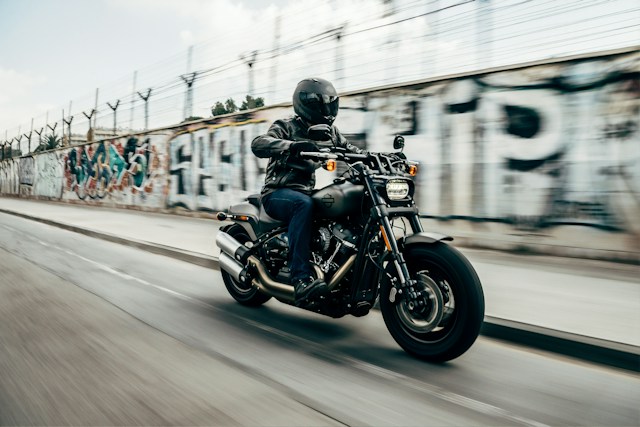
The rider goes down. The bike slides. The helmet lands twenty feet away, still humming. And in a lot of modern setups, that little Bluetooth puck stuck to the side of the shell is still doing what it was doing five seconds before impact: capturing audio, holding a Bluetooth link to a phone, and writing something to memory.
That changes the investigation. Helmet comms used to be a convenience item, the thing you argued with your buddy through on a canyon run. Now they are a small, wearable data source sitting on the head of the most vulnerable person at the scene. Investigators, insurers, and lawyers are all starting to treat them accordingly.
The Helmet Is Now a Recording Device
Modern intercom units are not just walkie-talkies bolted to a lid. They pair to phones, run navigation prompts, stream music, host multi-rider mesh conversations, and increasingly, capture audio on demand. Firmware updates across the category have added cross-brand pairing and, on some models, voice recording right on the unit.
Even when the unit itself is not writing a WAV file, something in the chain usually is. The paired phone logs Bluetooth connect and disconnect events with timestamps. A navigation app records the route and speed. A music app knows what was playing, and when it paused.
A group ride app may have a live tracking session running. None of that is designed as crash evidence but all of it can become crash evidence.
What the Audio Trail Actually Shows
Investigators have been reconstructing motorcycle crashes from physical evidence for a long time. Skid marks, gouges in the pavement, scrape patterns on the fairing, the final rest position of the bike and rider. A federal reference on crash investigation walks through that traditional methodology in detail, and none of it is going away.
What is new is the layer of digital evidence riding on top of it. Recovered audio and log data from the helmet stack can answer questions the pavement cannot:
- Speech and reactions. A shouted warning to a riding partner, a curse, a sharp intake of breath. Those sounds have timestamps, and they line up against everything else.
- Ambient audio. Engine note, wind noise, and the sound of another vehicle can indicate throttle position, approximate speed, and the presence of a second party seconds before impact.
- Phone call and music state. Whether a call was live, whether music was playing, whether a turn-by-turn prompt fired right before the crash. All of it speaks to attention and workload.
- Connection and location logs. Bluetooth pair and drop events, GPS pings from the paired app, and mesh group membership can show who was on the ride, where they were, and when the link went dead.
What Riders and Their Lawyers Should Actually Do
The gear is not going back in the box. Comms units are only getting more capable, and the data trail around them is only going to grow. A few habits keep that trail useful rather than hostile:
- Do not wipe the device. After a serious crash, resist the urge to reset the intercom, clear the paired phone, or delete the ride app history. That data can be requested by either side later.
- Preserve the helmet as-is. Bag it, label it, and store it somewhere dry. The intercom stays attached. Damage patterns on both are part of the record.
- Write down the stack. Make a plain list of what was running: brand and model of the unit, which phone it was paired to, which navigation or group ride app was open, who else was in the mesh.
- Ask before you share. Do not post clips to a group chat or a forum. Once it is out, it is out, and the caption you wrote at 11 p.m. becomes part of the file too.
- Get counsel involved early. A motorcycle injury attorney who understands this evidence can send preservation letters, request logs from app providers before they roll off, and keep the chain of custody clean.
The helmet intercom was designed to make the ride better. After a wreck, it quietly becomes something else: a small, stubborn witness that already heard most of what the lawyers are about to argue over. Treat it that way from the first minute, and it usually tells the story the rider would want told.