
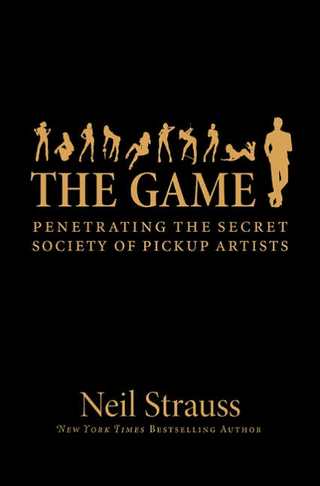
More than twenty years after its release, The Game: Penetrating the Secret Society of Pickup Artists by Neil Strauss remains one of the most engaging and wildly entertaining books I’ve ever read. I’ve gone through it multiple times, and on my most recent reread, it still delivered the same addictive rush. Part memoir, part psychological drama, and part fascinating exposé, this isn’t your typical self-help or dating manual.
Instead, Strauss pulls you deep into a fast-paced, unbelievable true story that reveals far more about human nature, confidence, insecurity, and social dynamics than any dry list of openers or routines ever could. You’ll laugh, cringe, get inspired, and relate to the characters and situations in ways that pure technique books rarely achieve. Whether you’re a longtime fan of the pickup artist (PUA) world, a curious outsider, someone who wants to do better with women or someone who’s ever felt awkward in social settings, The Game hooks you with its raw honesty and wild ride through the underground subculture of the early 2000s.
And, it you’re a single guy who does want to do better with women (who doesn’t?), then The Game is a must-read. That’s true whether you’re socially awkward and feel that your dating life is hopeless or if you’re doing fine but would like to improve your skills. This book can help everyone.
As Strauss tells his story, you’ll learn all sorts of techniques and you’ll experience all of his mistakes with him as well. It’s brutally honest.
But in the end it’s a great read, offering an unforgettable lens into male psychology, ambition, and what happens when a group of nerds decide to hack one of life’s biggest challenges.
The Origin Story: From AFC to Style
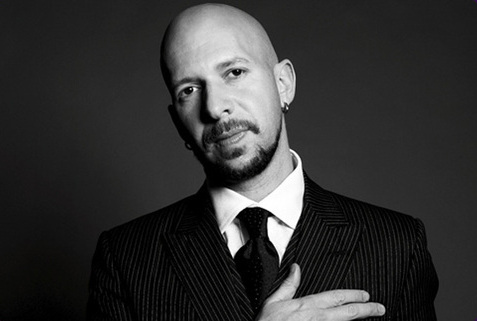
 Neil Strauss starts the book as the ultimate Average Frustrated Chump (AFC, in community lingo), a successful New York Times journalist and author who’s short, balding, and painfully unsuccessful with women. Tasked with researching the mysterious online underground of men trading seduction tips, Strauss doesn’t just observe. He dives in headfirst. Of course he’s reluctant at first, and acknowledges, “This was the most pathetic thing I’ve done in my life.” But he quickly gets past that sentiment.
What begins as a journalistic assignment quickly turns personal. Frustrated with his own love life, Strauss seeks out the legends of this hidden world. He attends a workshop run by the enigmatic Mystery (Erik von Markovik), a tall, theatrical magician who’s developed one of the most influential systems in the scene, the Mystery Method, with its emphasis on group dynamics, negs, and structured attraction phases. From there, Strauss meets other OG PUAs, including the godfather of the movement, Ross Jeffries, whose Speed Seduction techniques drew from NLP and hypnotic language patterns.
Under Mystery’s wing, Strauss transforms. He adopts the alias Style and throws himself into rigorous self-improvement: studying body language, fashion, storytelling, and social calibration. The results are dramatic. The once-insecure writer becomes one of the most respected (and envied) figures in the community, pulling off approaches that once seemed impossible and gaining access to a lifestyle most men only fantasize about.
But the journey is far from a straight line of glory. Strauss captures the intoxicating highs with late nights in Hollywood clubs, celebrity encounters, the thrill of rapid skill acquisition, and the camaraderie of a tight-knit group of seduction nerds. At the same time, he doesn’t shy away from the lows, including ego clashes, mental health struggles (especially Mystery’s very public breakdowns), toxic competition, and the creeping emptiness that comes when “the game” starts to consume your identity.
Along the way, Strauss grapples with what it all really means. The men who excelled in the pickup game were often brilliant nerds and engineers of social dynamics who meticulously broke down every aspect of attraction, conversation, and escalation. Yet for many of them, these newfound skills became all-consuming. They struggled to balance the thrill of the game with the realities of a normal life, healthy relationships, or genuine self-worth.
Instant Sensation
 The Game became an instant bestseller and cultural phenomenon, elevating the underground pickup artist community to mainstream culture, and VH1’s “The Pickup Artist” and a wave of seduction gurus.
The book was a compelling page-turner for so many reasons, not least of which was Strauss’s brutal honesty about his own shortcomings. Despite all of his professional success, Strauss was deeply unhappy about his lack of success with women. We spoke to him a number of years following the book’s publication, and he explained his motivation for exploring this subject:
So what was the original impetus for writing The Game? You’d written in the medium of pop culture quite a bit prior to that, certainly, but…
I think the initial impetus was being a rock critic at Rolling Stone and The New York Times and going to all these shows, which are carnivals of flesh and sexuality, really. But that’s rock ‘n’ roll. (Laughs) And I’m just the lonely guy with the notepad watching everybody else have all the fun, hoping that maybe some girl’s going to come up and talk to me because I’m writing something in my notepad. And then I’d say, “Oh, yeah, I’m going to this show next week and these other shows the following week, if you want to come with me,” and I assumed that was going to be a date, and…I remember once I met this girl at one, and she ended up making out with the guy sitting next to me. And I was, like, “What the fuck…? What’s wrong with me?” So it really came not from a desire to go underground and assume an identity and be an investigative journalist or even to write a book but, rather, to help get over my own problems with women. (Laughs)
Basically, Strauss was the AFC that the PUAs talked about. He was terrified of approaching women, and he had no idea about how to talk to them in a way that would increase their attraction to him.
Single Men Should Read This Book
Naturally, many men can relate deeply to how Neil Strauss felt at the start of his journey. Some, like the early Strauss, have had very little success with women. That struggle appears even more widespread today than it was twenty years ago. Others have achieved some success but still want to meet more women and turn those initial interactions into actual dates. This desire cuts across all goals, whether a man is looking for a girlfriend, a spouse, or a series of casual relationships and encounters. It is no surprise the book sold 2.5 million copies!
Two decades later, the need for a book like The Game feels even more acute. Social media and smartphone culture have dramatically eroded basic in-person social skills for an entire generation. Many young people, men especially, have grown up defaulting to screens for interaction instead of practicing in the real world. It is no surprise that young women frequently voice frustration about the social awkwardness and lack of confidence they encounter in men their age. While The Game drew criticism at the time for some of its more calculated tactics, the book and the broader community it documented at least pushed men toward real-world action, rejection tolerance, and iterative improvement through actual human contact. Today we are seeing the opposite trend: growing numbers of men withdrawing entirely, retreating into isolation, or gravitating toward toxic fringe spaces like the incel movement. In that context, Strauss’s story serves as both a cautionary tale and a reminder of the value of getting out there and developing genuine interpersonal competence.
Motivation To Work On Your Game

It is hard to finish this book and not feel motivated to work on at least some aspects of your own “game.”
Of course, you will not want to copy everything Style and his crew tried. Strauss offers a perfect perspective on this when describing his time with Tom Cruise and exposure to Scientology. He calls it “a body of knowledge you can draw from.” That is exactly the right way to approach The Game.
For example, the tactics Mystery teaches for approaching women who are with friends or in a group are brilliant. As you read them, you will instantly recall times you approached a woman and failed because you did exactly what every other guy in the bar was doing. Those moments will likely inspire you to study the kinds of openers Mystery and Style used and then create your own versions that fit your personality.
On the other hand, the “peacocking” tactics favored by Mystery and Style will not suit most men. I had zero interest in trying them myself, but the stories around them are often hilarious and illuminating. You can still extract useful lessons and adapt them to your own style.
By the end of the book, most readers will have a short list of things they want to change right away and a much longer list of skills they want to learn and practice. At its core, the book is about creating attraction by becoming more interesting, more confident, and more socially calibrated. Those are goals almost any man can get behind.
Practical Self-Improvement
The pickup artist community has received its share of criticism, and some of it is fair. Early tactics from guys like Mystery or Ross Jeffries can sometimes be cringe-worthy. But at their core, many of these approaches are about practical self-improvement: overcoming approach anxiety, building confidence, learning how to hold conversations, read social cues, and create mutual attraction. They’re teaching men, often shy, inexperienced, or socially awkward ones, basic skills that schools, parents, and modern culture largely stopped emphasizing. The result? Guys who actually go out, interact respectfully, get rejected, learn, and eventually form real connections. That’s infinitely better than the alternative we’re seeing in parts of social media today.
Compare that to influencers like Andrew Tate and his imitators. They push a hyper-aggressive, “alpha” mindset heavy on material success, dominance, and often outright disdain for women as ‘the enemy’ or transactional objects. It resonates with some frustrated young men because it validates their anger and promises easy power, but it frequently leads to toxic entitlement, paranoia about relationships, and isolation. Basically, it turns these guys into complete jerks. Instead of teaching calibration, consent, or genuine charisma, it amplifies resentment. PUAs, flaws and all, generally encourage taking action in the real world and iterating on feedback from actual interactions. That’s skill-building. The other path is often ideological echo chambers that make real-world success with women even harder.
Above all, The Game will motivate men, particularly younger ones, to get out there, have fun, take action, and start building real social skills in the real world.
Becoming a Stronger, More Resilient Man

The ultimate lesson of The Game is that no single woman’s response or opinion should ever define your self-image or self-worth. Early on, Strauss, like so many men, internalized every rejection as proof that something was fundamentally wrong with him. A lukewarm reaction or outright dismissal would crush his confidence for the night, sometimes longer. Through his journey, he learns that one person’s reaction in a single moment is not an objective verdict on your value. It is simply data, heavily influenced by her mood, circumstances, tastes, and countless other variables that have nothing to do with you. Tying your sense of worth to any individual outcome is emotional quicksand.
By the end of the book, Strauss realizes the game was never really about women. It was about becoming a stronger, more resilient man. The greatest freedom comes when you stop outsourcing your self-esteem to strangers and instead build it internally through consistent action, skill development, and self-respect. Rejection becomes information rather than condemnation. This mindset shift is what separates those who remain stuck from those who grow. In a world that often ties male value to romantic success, this may be the most powerful and lasting takeaway from Strauss’s story.
