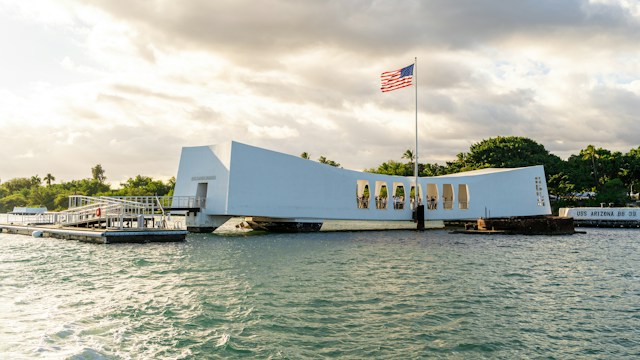
Every day, the National Park Service releases a limited number of tour tickets for the memorial, and on most mornings those tickets are gone within minutes of the online booking window opening. Getting the timing right isn’t just about picking a nice day for a boat ride — it determines whether you get in at all, how much you see, and how crowded your visit feels. Here’s how to plan the timing so the experience matches what you’re hoping for.
Book Tickets 8 Weeks in Advance
Tickets for the memorial boat tour release online 60 days ahead of the visit date, and a separate batch becomes available on-site each morning starting at 7 a.m. The online allotment routinely sells out within 15 to 20 minutes for popular dates, especially weekends and holidays. If a specific date matters to you, set a reminder and be at your keyboard right when the window opens 8 weeks out.
Same-day walk-up tickets exist, but they’re limited and go fast, particularly during summer break and around federal holidays. Arriving at the visitor center before 7 a.m. improves your odds, but it’s not a guarantee. Treat the online booking window as the primary path and the walk-up line as a backup plan, not the other way around.
Visit Early in the Day
The site opens at 7 a.m., and the first boat tours of the day tend to have shorter lines at security screening and a calmer atmosphere throughout the museum galleries. By mid-morning, tour buses from Waikiki hotels start arriving in waves, and the visitor center fills up accordingly. If your ticket allows any flexibility in tour time, choose one of the earliest slots available.
Afternoon visits aren’t bad, but they come with thicker crowds and, on many days, more direct sun with little shade while waiting outside for the boat. Early arrivals also mean cooler temperatures for the outdoor portions of the visit, which matters more than people expect in Hawaii’s humidity.
Pick a Weekday If You Can
Weekends draw larger crowds because they combine tourists with local families visiting on their days off. Tuesday through Thursday tend to be the quietest days at the memorial, with shorter waits at the security checkpoint and more breathing room in the museum exhibits. If your travel dates are flexible, shifting a visit to the middle of the week can noticeably change how relaxed the experience feels.
Holidays are a different story altogether. December 7, the anniversary of the attack, draws especially large crowds along with a formal remembrance ceremony, which is worth experiencing but requires much earlier planning and different logistics than a typical visit. Memorial Day and Veterans Day also see heavier turnout than an average weekday.
Consider the Season
Hawaii’s tourist season peaks from mid-December through mid-April and again in the summer months of June through August, when school is out and family travel spikes. Visiting during these windows means booking tickets even further ahead and expecting fuller boats and busier walkways throughout the site. The shoulder seasons — late April through May, and September through early November — tend to bring smaller crowds without sacrificing good weather.
Rain showers pass through Oahu year-round, but they’re typically brief. A light rain won’t cancel the boat tour out to the memorial, so don’t rule out a visit just because the forecast shows a shower or two.
Understand the Tour Timing Itself
Once you’re checked in, the visit follows a set rhythm: a short orientation film, then a Navy-operated boat ride out to the memorial structure built over the sunken battleship. The entire program, from check-in to return, typically runs about 75 minutes, and the time actually spent standing on the memorial itself is brief — usually 15 to 20 minutes before the boat returns for the next group. Knowing this ahead of time helps you set expectations; it’s a focused, somewhat fast-moving experience rather than a leisurely half-day outing.
Because of that pace, many visitors plan to spend additional time afterward exploring the surrounding Pearl Harbor National Memorial complex, including the USS Bowfin submarine and the museums covering the Pacific war. The USS Arizona tour is just one piece of a larger site, and pairing it with the on-land exhibits rounds out the historical context in a way that the boat ride alone doesn’t fully cover.
Build in a Buffer Before and After
Security screening resembles airport-level scrutiny, with restrictions on bag size and prohibited items, so arrive at least 30 minutes before your scheduled tour time. Traffic around the Pearl Harbor area can also back up during commuter hours, particularly if you’re coming from Waikiki, so factor in extra drive time for morning slots.
Getting the timing right means treating this less like a casual stop and more like a scheduled event with real deadlines. Book early, arrive early, and choose a weekday in the shoulder season if your schedule allows it — those four decisions do more to shape the visit than anything else on this list.