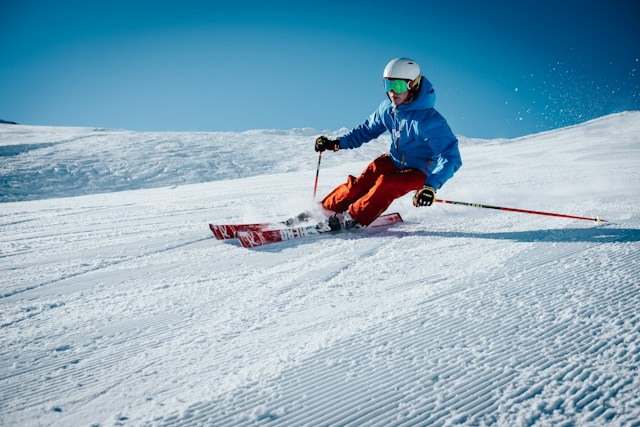
Breckenridge sits at 9,600 feet with four interconnected peaks, over 2,900 skiable acres, and a historic downtown that’s walkable in about fifteen minutes end to end. Before booking anything, it helps to think through what kind of trip you’re actually planning, because a long weekend and a full week require different strategies for lodging, transportation, and budget. Here’s how to size up the trip so you’re not overpaying for days you won’t use or underestimating what it takes to ski this mountain well.
Figuring Out How Many Days You Need
Three full ski days is the sweet spot for most first-time visitors. That’s enough time to explore Peak 8 and Peak 9, take a run or two on Peak 7’s Independence SuperChair, and still have an afternoon free for the Riverwalk Center or a soak in a hotel hot tub. Anything less than three days means you’ll spend a disproportionate amount of vacation time on travel and altitude adjustment relative to actual skiing.
If snowboarding terrain parks or backcountry access via Peak 6 is the goal, budget five to six days. That gives enough runway to acclimate to the altitude, which genuinely affects stamina, and still get multiple laps on the terrain that matters most to you.
Choosing Your Base
Staying in Breckenridge proper costs more per night than lodging in nearby Frisco or Silverthorne, but the savings in time and hassle usually justify it for shorter trips. A ski-in/ski-out condo near Peak 9 means no shuttle wait at 8 a.m. and no driving on snowy roads after a long day.
For trips longer than five days, or for groups traveling on a tighter budget, Frisco offers a reasonable middle ground. It’s about ten minutes from the base areas by car or free county bus, and lodging rates can run 20 to 30 percent lower during peak weeks.
Budgeting for Lift Tickets and Gear
Walk-up lift tickets at Breckenridge can run well over $200 a day during holiday weeks, which makes advance purchase almost mandatory. Multi-day passes bought 30 days out typically cost 30 to 40 percent less per day than buying at the window. If more than five ski days are planned across a season, a discounted season pass like the Epic Pass often pays for itself.
Gear rental adds another $50 to $80 per day for a full ski or snowboard package, so factor that into the daily budget alongside lift tickets, lodging, and food. Renting in a nearby town rather than directly at the resort base can trim that cost noticeably, sometimes by 15 to 20 percent.
Getting There and Getting Around
Denver International Airport is the main gateway, sitting roughly 100 miles from Breckenridge, a drive that takes anywhere from two to four hours depending on weather and traffic on I-70. Renting a car gives flexibility but also means dealing with mountain pass conditions, chain laws, and parking fees that can add $20 or more per day at resort lots.
A shuttle service is often the more relaxed choice, especially for travelers unfamiliar with driving in snow. Booking a shuttle for the return trip from Breckenridge to Denver ahead of time locks in a fixed price and removes the stress of navigating I-70 traffic on travel day, which backs up regularly on Sundays during ski season.
Timing the Trip for Snow and Crowds
Breckenridge typically opens in mid-November and stays open into mid-April, with the deepest average snowpack landing between January and March. Early season trips are cheaper but come with a real risk of limited terrain, while March offers a strong mix of snow depth and longer daylight hours.
Presidents’ Day week and the week between Christmas and New Year’s are the busiest and most expensive stretches, with lift lines and restaurant waits stretching noticeably longer. Shifting a trip even one week outside those windows can cut both costs and crowd size substantially.
Packing for Colorado’s Mountain Weather
Temperatures at the summit of Peak 8 regularly sit 15 to 20 degrees colder than in town, and wind chill can make that gap feel even larger. Pack layers that can be added or shed throughout the day, along with goggles rated for both bright sun and flat light, since conditions shift quickly above treeline.
Altitude sickness is a real concern at 9,600 feet and higher, so pack basic remedies and plan to hydrate more than usual during the first 24 hours. Skipping alcohol on the first night and eating slightly more than normal both help the body adjust faster.
Sizing the Trip to Fit
The right length, budget, and pace for a Breckenridge trip depends less on generic advice and more on honest math about ski days, group size, and tolerance for altitude. Sketch out a day-by-day plan before booking lodging or lift tickets, and price out transportation early, since that’s where costs and stress both tend to spike unexpectedly.