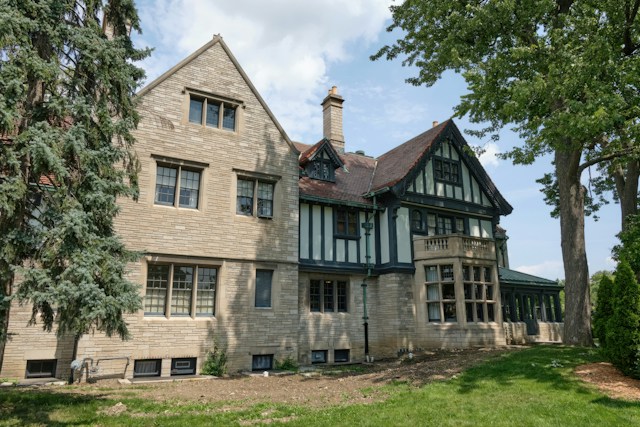
There’s a certain kind of house that gets people every time. High ceilings. Original floorboards. A fireplace in every room, even if none of them work. Tall sash windows with the wavy old glass that catches the light in the afternoon. You walk through at the open inspection, and you’re already picturing where the couch goes.
Then winter arrives, and you find out why the previous owners always had a heater running.
I saw this happen to a friend who moved to Melbourne a couple of years ago. He bought a 1910 weatherboard in one of the inner suburbs, the kind of place that looks like it belongs on a postcard. He loved it. He also spent his first winter wearing a hoodie indoors and his first summer wondering why the living room turned into an oven by three o’clock.
Old homes weren’t built for comfort
Character homes, whether they’re Victorian terraces, Edwardian bungalows or interwar brick houses, were built long before anyone worried about energy efficiency. Insulation was minimal or nonexistent. Timber sash windows have shrunk and warped over a century, leaving gaps around the frames. And the glass itself is usually a single thin pane.
Cities with changeable weather make this worse. Melbourne is a good example: it’s known for swinging from cold and damp to scorching and back again, sometimes in the same week. A house that can’t hold its temperature spends the whole year fighting the weather, and the owner pays for it on every power bill.
The Australian Government’s Your Home guide notes that windows are responsible for a large share of a home’s heat loss in winter and heat gain in summer. In a house full of big original windows, that adds up quickly.
What to check before you commit
If you’re house hunting and fall for an older place, a few quick checks at the inspection will tell you a lot.
Stand next to the windows and doors for a minute. If you can feel cold air moving, the house will be hard to heat. Look closely at the sills and the bottom of the window frames. Dark marks, peeling paint or soft timber usually mean condensation has been collecting on cold glass for years.
Pay attention to which way the main rooms face. In the Southern Hemisphere, the sun sits to the north, so north-facing living areas get the winter sun and south-facing rooms stay cold. In the Northern Hemisphere, it’s the opposite. Either way, a living room that never gets direct sun in winter will cost more to heat.
Visit at different times of day, too. A quiet street at 11 a.m. on a Sunday can sound very different at 5:30 p.m. on a weekday, especially if there’s a busy road, rail line or bar strip nearby. Single-pane glass lets almost all of it in.
Finally, find out whether the house is covered by heritage controls. Many older streets are, and that can affect what you’re allowed to change on the front of the house.
Fixing it without losing the character
The good news is that you don’t have to choose between character and comfort. Upgrading the windows is one of the most effective changes you can make to an older home, and it doesn’t have to mean ripping out the features that made you want the house.
Double glazing, where two panes of glass are separated by a sealed layer of air or gas, cuts heat loss, keeps out summer heat and reduces street noise noticeably. For period homes, there are replica timber sashes that match original profiles, and secondary glazing, where a discreet extra pane is fitted inside the existing window. That second option is often the go-to for homes where the original windows need to stay visible from the street.
My friend ended up going with replica timber windows across the front of the house and standard double-glazed units at the back, where nobody would notice the difference. He said the first winter afterwards felt like living in a different house. When he was comparing options, he found that suppliers who specialize in older homes were far more useful than general builders, because they understood heritage rules and could match the original look. Browsing a range of locally made double-glazed windows designed for period properties gave him a good sense of what was possible before he started getting quotes.
A few things are worth keeping in mind if you go down this path. Frame material makes a big difference, with timber and vinyl insulating better than standard aluminum. The U-value on a window’s energy rating tells you how well it holds heat, and lower is better. And because older window openings are rarely perfectly square, an experienced installer matters more than usual.
Questions buyers usually ask
Can you double glaze a heritage home?
In most cases, yes. Replica timber windows and secondary glazing keep the original appearance while improving performance. It’s worth checking with the local council before starting.
Should I walk away from a house with original windows?
Not necessarily. Just factor the upgrade into your budget and your offer. It’s a fixable problem, unlike a bad location.
What if I’m renting?
You’ll need the landlord’s permission for any changes. In the meantime, heavy curtains, draft stoppers and a rug on bare floorboards help more than you’d expect.
Does it help in summer too?
Yes. Double glazing slows heat moving in both directions, so rooms stay cooler during hot spells as well as warmer in winter.
Love the house, fix the glass
Older homes have a charm that new builds rarely match, and they’re worth the effort. Just go in with your eyes open. Look past the pressed-metal ceilings and the fireplaces, check the windows, and budget for the upgrade if you need it. You’ll end up with a house that’s as comfortable to live in as it is to look at.