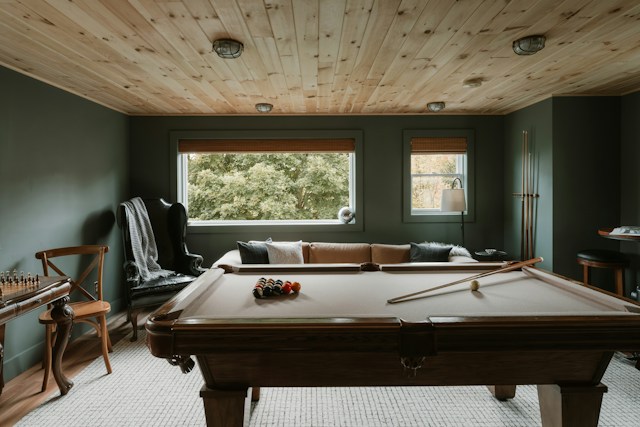
Most guys build a man cave the same way. The TV comes first, usually bigger than anyone else in the house thinks is necessary. Then the sound system, then the recliner, then some combination of a bar cart, a mini fridge, and a framed jersey. By the end, the room looks great.
Then movie night comes around, and something is still off. The quiet scenes are drowned out by a neighbor’s leaf blower. By the second act, the room is either stuffy or freezing, depending on the season. And when the big action sequence finally hits, you’re turning the volume down because you can picture the people next door glaring at their ceiling.
Nine times out of ten, the culprit is the window.
Glass is the weak link
A standard single-pane window is about as effective at stopping sound and heat as a bedsheet. Walls have insulation, framing, and plasterboard. Windows have one thin layer of glass, and everything passes straight through it.
The US Department of Energy points out that windows are a major source of heat gain and loss in the average home. In a room built for long, comfortable sessions on the couch, that shows up fast. West-facing rooms bake through the afternoon. Rooms with a lot of glass cool off quickly once the sun goes down. And your heating or air conditioning spends all evening trying to catch up.
Sound is the other problem. Traffic, dogs, and lawn equipment come in; your subwoofer goes out. If you’ve ever wondered why your carefully tuned audio setup never sounds quite as good as it did in the showroom, part of the answer is that the room isn’t sealed off from the world outside.
What changes with a second pane
The fix a lot of homeowners land on is double glazing: two panes of glass with a sealed gap between them, usually filled with air or argon gas. That gap works the way a double-walled tumbler keeps a drink cold without sweating. Heat and sound both lose energy trying to cross it.
The difference in a media room is noticeable. Dialogue stays clear without riding the remote. The room holds its temperature through a three-hour movie. And because the heating and cooling aren’t fighting the glass, the power bill tends to come down too, which is a useful point to raise if someone else in the house has opinions about how much you’ve already spent on this room.
There’s also less condensation, since the inner pane stays close to room temperature. That matters more than it sounds when there’s expensive gear sitting near the window.
If noise is your main issue, it’s worth asking about laminated acoustic glass or units where the two panes are different thicknesses. They break up sound waves more effectively than a standard unit. Tinted glass and low-emissivity coatings can also take the edge off glare on the screen, though for a proper theater setup you’ll still want blackout blinds.
Getting it right
Not every window upgrade delivers the same result, and a few details make the difference.
Frame material matters as much as the glass. Vinyl and timber frames insulate well. Aluminum is slim and tough, but unless it has a thermal break built in, heat moves straight through the metal and undoes some of the benefit.
Performance ratings are worth reading. In the US, look at the NFRC label; in Australia, the Window Energy Rating Scheme does the same job. The key figure is the U-value, which measures heat transfer, and lower is better. If you care about sound, ask for the STC or Rw rating, where higher is better.
And installation is everything. A premium window fitted badly is just an expensive draft. Anyone who tells you it’s an easy weekend job probably hasn’t done one.
When I was looking into the options, the range of double-glazed windows available now surprised me, from slim-framed designs that suit modern builds to units made specifically for noise reduction. It’s worth browsing a few suppliers just to see what’s possible before you settle on anything.
A few common questions
Will it make my home theater soundproof?
Not completely. Sound also travels through walls, doors, and ceilings. But the window is usually the weakest point in the room, so fixing it gets you most of the way there.
Can I install it myself?
Realistically, no. The measurements and seals need to be precise, and a poor fit cancels out most of what you paid for.
Is triple glazing better?
It insulates slightly better, but for noise, acoustic laminated double glazing is often just as effective and cheaper. Triple glazing really earns its keep in very cold climates.
How long does it last?
A well-made, properly installed unit typically lasts 20 years or more.
Worth the money?
It’s not the upgrade anyone shows off to friends. Nobody walks into a man cave and compliments the windows. But it’s the one that makes everything else in the room perform the way it’s supposed to. The screen, the sound, and the recliner were the fun part. The glass is what lets you actually enjoy them.