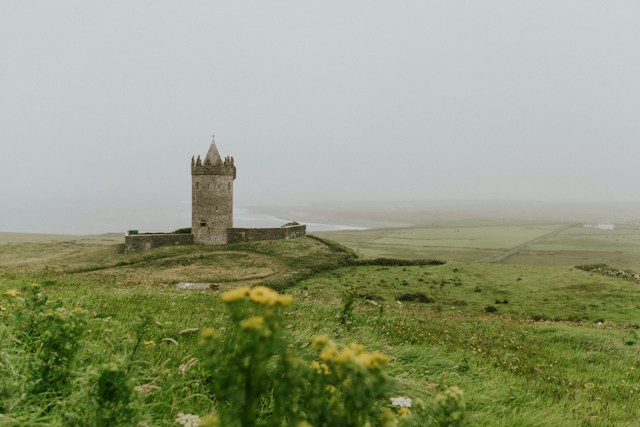
Ireland’s weather doesn’t follow a script, and that unpredictability shapes almost every decision you’ll make about a self-drive trip. A road that’s a scenic dream in June sunshine can turn into a white-knuckle exercise in November fog. Picking the right season isn’t about avoiding rain entirely — that’s not realistic anywhere on the island — but about matching the driving conditions, daylight, and crowds to what you actually want out of the trip.
Spring: Fields Waking Up and Fewer Crowds
March through May brings some of the best value and quietest roads of the year. Hotel rates drop compared to peak summer, and popular stops like the Cliffs of Moher or Kylemore Abbey are far easier to enjoy without fighting for parking. Lambs appear in the fields by late March, and hedgerows along the Wild Atlantic Way start filling with gorse and blackthorn blossom.
The tradeoff is temperamental weather. Expect daytime highs around 10-15°C, with sudden showers that pass through in twenty minutes. Pack layers and don’t schedule anything too tightly around outdoor activities, since a coastal walk planned for 2pm might need to shift to 4pm.
Summer: Long Days and Livelier Roads
June through August delivers the longest daylight of the year, with light lasting until nearly 10pm in places like Donegal and Kerry. That extra daylight matters enormously for a road trip, since it gives you real flexibility to stop at an extra village or squeeze in a hike without racing the sunset. Temperatures typically sit in the high teens to low twenties Celsius, which feels genuinely warm by Irish standards.
The catch is traffic and accommodation pressure, especially on narrow routes like the Ring of Kerry or the roads around the Dingle Peninsula. Tour coaches and rental cars share the same single-lane stretches, and popular B&Bs book out weeks ahead. If a summer trip is the plan, reserve lodging early and consider driving key scenic routes in the early morning before coach traffic picks up.
Autumn: Golden Light and Local Rhythms
September and October offer a genuine sweet spot for many drivers. Crowds thin out noticeably after the school holidays end in late August, yet the weather often holds reasonably mild through mid-October. Bracken turns copper on the hillsides, and harvest festivals pop up in market towns from Kilkenny to Westport.
Daylight starts shrinking faster than people expect, dropping to around 11 hours by late October. That’s still workable for most itineraries, but it means building in slightly earlier starts if you want to reach a destination before dusk. Roads stay in good condition, and this is a reliable window for anyone planning self guided tours of Ireland who wants a balance of decent weather and manageable traffic.
Winter: Dramatic Skies and Empty Roads
November through February is the quiet season, and for a certain kind of traveler, that’s the entire appeal. Roads are nearly empty outside Dublin and Cork, and moody skies over places like the Cliffs of Moher or the Burren make for striking photography. Accommodation prices drop further, and it’s possible to get a table at a popular pub restaurant without a reservation.
The downsides are real, though. Daylight can shrink to under 8 hours in December, some rural attractions and smaller B&Bs close for the season, and storms occasionally close coastal roads temporarily, particularly along exposed stretches of the west coast. Winter driving rewards flexibility and a willingness to change plans at short notice.
Weather Realities No Matter the Season
Regardless of when you go, pack for rain every single day. Ireland averages 150 to 225 rainy days a year depending on the region, with the west coast getting noticeably more than Dublin or the east. A waterproof jacket and proper shoes matter more than sunny-day planning.
Wind is the other constant, especially along coastal cliffs and headlands. Even a mild summer day can turn genuinely gusty on the Cliffs of Moher or the Slieve League cliffs in Donegal, so check local forecasts each morning rather than relying on a general seasonal assumption.
Matching the Season to Your Route
Route choice should influence season choice as much as the reverse. A trip built around the narrow, high-elevation roads of the Wicklow Mountains or the Conor Pass in Kerry benefits from the longer daylight and drier conditions of late spring through early autumn. Those roads get genuinely tricky in low winter light or heavy rain.
A trip focused on cities, museums, and shorter coastal drives has far more seasonal flexibility, since indoor stops and shorter driving distances reduce the risk that bad weather or short daylight will derail the day.
The best season for an Irish road trip depends less on finding perfect weather, which rarely happens, and more on matching daylight hours and road conditions to the specific route planned. Decide on the roads and stops first, then let that decision point toward May, September, or whichever window best supports the itinerary rather than picking a season in isolation.