Mexico City’s food scene doesn’t live in one district — it sprawls across dozens of neighborhoods, each with its own culinary personality shaped by history, immigration patterns, and local ingredients. Some areas are packed with Michelin-adjacent tasting menus, while others specialize in the kind of taco stand that’s been perfecting a single dish for forty years. Knowing where to eat matters as much as knowing what to order, so here’s a breakdown of five neighborhoods that consistently deliver.
Roma Norte
Roma Norte gets credit as the epicenter of Mexico City’s modern dining boom, and the reputation holds up. Restaurants like Rosetta occupy converted early-1900s mansions, serving Italian-Mexican hybrid dishes that draw reservations weeks out. But the neighborhood’s real strength is variety packed into a walkable grid.
Wander a few blocks and you’ll pass natural wine bars, Oaxacan mezcalerías, and vegan taquerías sitting next to century-old panaderías. Mercado Roma, a multi-level food hall, groups a dozen vendors under one roof if you want to sample several regional cuisines without committing to a sit-down meal. Weekend mornings bring out chilaquiles and fresh-pressed juice stands along Álvaro Obregón, the neighborhood’s main artery.
Condesa
Condesa sits just southwest of Roma and shares some of its energy, but with a quieter, more residential feel built around Parque México. The neighborhood leans into brunch culture harder than almost anywhere else in the city — expect long waits at spots serving eggs benedict with a chile de árbol twist.
Evenings shift the mood entirely. Amsterdam Avenue, which loops in a circle following the old horse racetrack it was built on, is lined with taquerías, ceviche counters, and mezcal bars that stay busy past midnight. La Especial de París makes a strong case for the best torta in the neighborhood, and it’s been doing so since well before Condesa became fashionable.
Coyoacán
Coyoacán moves at a different pace than the northern neighborhoods — older, greener, and built around cobblestone plazas rather than avenues. This is Frida Kahlo’s old neighborhood, and the historic character extends to the food, much of which centers on the Mercado de Coyoacán.
Inside the market, tostadas piled with shredded chicken, ceviche, or tinga are the move, and the vendors selling them have often held the same stalls for generations. Just outside, the plaza fills on weekends with churro carts and elote vendors slathering corn with mayonnaise, cotija, and chile powder. It’s a good area for travelers who want to combine history and street food without rushing between stops, and it pairs well with organized Mexico City food tours that build in time for both the market and the surrounding historic center.
Polanco
Polanco is where Mexico City’s fine dining reputation gets made. Pujol, one of the most consistently ranked restaurants in Latin America, sits here, along with Quintonil and a cluster of other tasting-menu destinations that require booking months ahead. This is the neighborhood to choose if a splurge dinner is part of the plan.
But Polanco isn’t only expensive tasting menus. Avenida Presidente Masaryk and the surrounding streets also hold excellent, moderately priced options — Lebanese-Mexican fusion spots reflecting the area’s historic Middle Eastern immigrant community, along with taco stands that draw office workers on lunch breaks. The contrast between five-star dining rooms and unpretentious lunch counters within a few blocks of each other is part of what makes Polanco worth the trip.
Centro Histórico
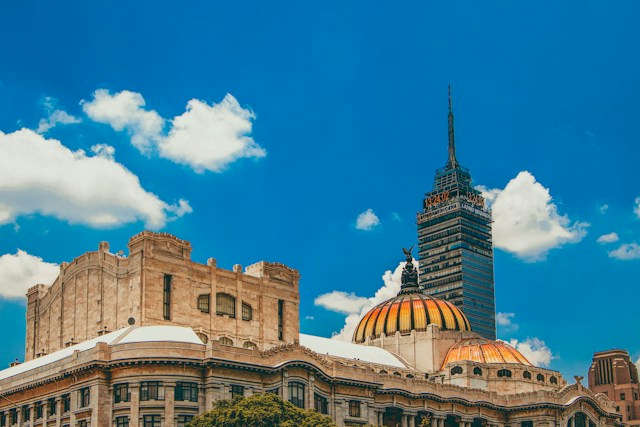
Centro Histórico can feel overwhelming on first pass — it’s dense, loud, and packed with tourists photographing the cathedral and the Palacio de Bellas Artes. But it’s also home to some of the oldest and most reliable street food in the city, precisely because foot traffic has kept vendors sharp for decades.
Look for tacos de canasta, steamed rather than grilled and sold from baskets wrapped in cloth, often for less than a dollar each. El Moro, open since 1935, still serves churros and hot chocolate around the clock. For a sit-down meal, Café de Tacuba has occupied the same ornate dining room since 1912, serving Mexican comfort food to generations of regulars. The neighborhood rewards a slower walk and a willingness to eat standing up.
Getting the Most Out of a Short Trip
Trying to cover all five neighborhoods in a single visit is possible but exhausting, and it risks turning meals into a checklist rather than an experience. A better approach: pick two neighborhoods that offer contrast — Polanco and Centro Histórico, for instance, or Roma Norte and Coyoacán — and spend real time in each rather than rushing between them.
Mexico City rewards patience more than ambition. A single well-chosen taco stand, visited slowly, often tells you more about the city than three restaurants crammed into one afternoon.