Managing a commercial property demands constant attention to the building envelope. Small leaks quickly create expensive structural damage when left unchecked.
A proactive maintenance plan keeps repair bills predictable. Smart building owners track minor issues before they turn into major emergencies.
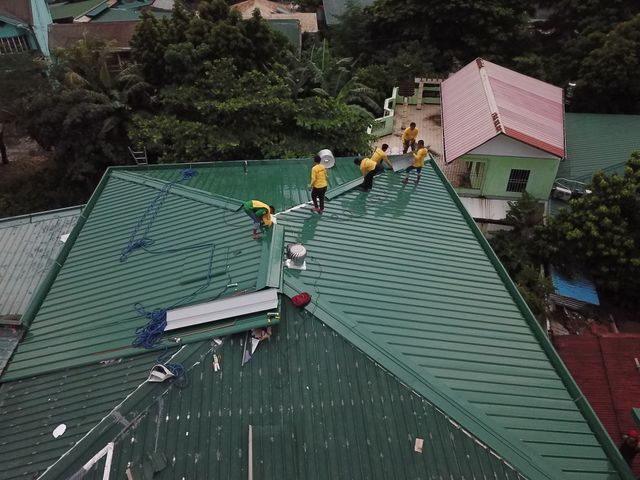
Common Causes of Commercial Roof Damage
Heavy rainfall and pooling water cause serious stress on flat commercial structures. Extreme temperature shifts force materials to expand and contract constantly. Natural weather forces degrade outer layers and expose weak points.
Routine inspection schedules help maintenance teams spot surface cracks before water penetrates the decking. Many commercial facility managers choose a modern TPO roof installation to improve weather resistance across large square footage. Upgrading membrane protection limits water intrusion during severe seasonal storms.
Clear gutters and functioning drainage systems stop standing water from lingering on top of the building. Neglecting basic drain cleaning increases structural loads during heavy rains. Property owners must keep waterways clear throughout every month of the year.
Establishing Routine Inspection Schedules for Building Care
Professional evaluations catch hidden seam failures before interior ceilings start leaking. A major roofing association advises scheduling formal professional checks twice annually, once in the spring and once in the fall. These seasonal checkups catch weather damage from extreme winter cold or summer heat.
Internal facility workers must walk the perimeter after major windstorms. Looking for loose flashings or misplaced debris prevents minor shifts from creating deep tears. Catching minor rips early keeps total restoration costs low.
Written maintenance logs give owners accurate history regarding past repairs. Detailed records help contractors identify recurring trouble spots across various roof zones. Documenting every fix supports warranty claims with material manufacturers.
Identifying Common Signs of Surface Deterioration
Moisture traps under single-ply membranes create visible blisters or bubbles. These raised areas indicate trapped air or water that breaks seam bonds. Fast repairs restore the flat seal and stop water progression.
Cracking along perimeter flashing opens direct pathways for rain to enter wall cavities. Metal expansion strips need tight seals to resist high wind pressure during storms. Tightening loose fasteners secures critical transition zones around edges.
Spotting early warning signs saves thousands of dollars in emergency structural fixes. Facility workers need clear guidelines on what issues require immediate repair work. Watching for key visual cues helps teams prioritize urgent maintenance needs.
- Water pooling that remains 48 hours after rain stops
- Loose or missing flashing strips around vent pipes
- Visible punctures or tears near high foot-traffic areas
Budgeting for Ongoing Maintenance and Repair Costs
Setting aside dedicated capital reserves prevents financial strain when unexpected leaks happen. Commercial roof fixes usually cost between $3 and $10 per square foot depending on structural damage. Allocating annual funds keeps building operations running without sudden budget cuts.
Minor repairs cost far less than full system teardowns. Spending $500 on seam sealing today prevents $20,000 in structural rot damage next year. Smart capital planning protects the bottom line over long operational lifespans.
Contractors offer preventive maintenance contracts to keep expenses predictable. Annual service agreements cover regular clearings, minor seam touches, and fast response times. Partnering with qualified crews secures fixed pricing for routine maintenance tasks.
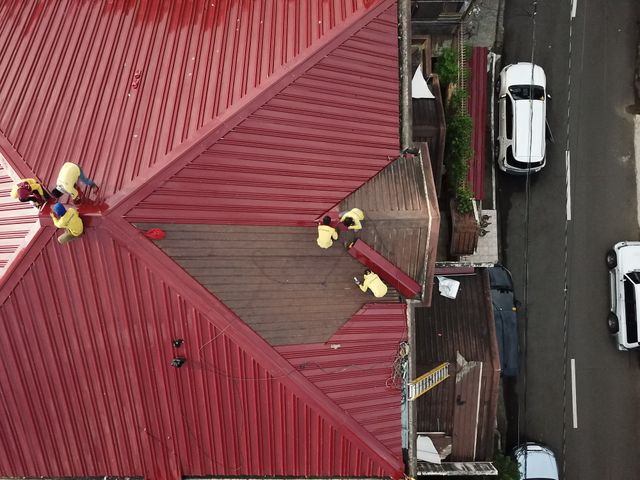
Hiring Qualified Commercial Roofing Contractors
Commercial roofing systems require distinct skill sets compared to residential pitched roofs. Specialized commercial crews understand heavy membrane welding techniques and industrial drainage systems. Vetting prospective contractors protects commercial assets from poor workmanship.
Verifying insurance coverage and state licensing protects property managers from liability during construction. Reliable vendors carry at least $1,000,000 in general liability protection along with workers’ compensation plans. Reviewing past local references proves contractor reliability and job safety standards.
Choosing a trustworthy service provider requires reviewing key professional credentials. Experienced crews deliver high-quality craftsmanship that stands up against harsh weather. Asking specific questions before signing contracts protects your investment.
- Proof of active state licenses and full liability coverage
- Manufacturer certifications for specific membrane installation
- Written warranties covering both labor and replacement materials
Managing Drainage Systems to Prevent Water Pooling
Poor drainage causes severe structural weight strain on flat building covers. Standing water degrades membrane adhesives and creates ideal conditions for mold growth. Maintaining open scuppers and downspouts guarantees rapid water evacuation during heavy downpours.
Internal roof drains demand regular debris clearing to prevent backup floods. Leaves, twigs, and windblown trash block drain grates during heavy seasonal rains. Clearing drain strainers every 3 months stops heavy water buildup over core office spaces.
Installing additional scuppers or tapered insulation improves water runoff on older buildings. Tapered boards direct water flow straight toward existing drainage points without standing spots. Eliminating low spots adds years of useful service to existing membranes.
Extending Membrane Lifespan Through Proper Care
Restricting foot traffic on top of the building preserves outer protective coatings. Maintenance workers must walk along designated walk pads when servicing rooftop HVAC units. Limiting heavy boots on bare membrane stops accidental punctures and tears.
Cleaning surface dirt twice a year maintains reflective properties that reduce cooling loads. Dirt accumulation absorbs heat energy and increases indoor air conditioning costs during summer months. Low-pressure washing removes grime without damaging delicate thermal welds.
Fixing minor cuts fast stops moisture from seeping into underlying insulation boards. Wet insulation loses thermal value and causes interior ceiling damage later on. Quick patch jobs protect structural decking from costly moisture rot.
Consistent roof management preserves commercial property value and protects indoor business assets. Following structured maintenance schedules keeps unexpected repair costs low across all seasons.
Investing in regular inspections pays off through extended system life and smooth daily operations. Taking action today prevents minor membrane wear from becoming an expensive structural headache tomorrow.