Managing seasonal gear and spare vehicles takes practical organization. Owning outdoor equipment, weekend cars, or trade tools requires a clear plan to prevent clutter at home.
Proper storage methods extend the life of your equipment and keep garage spaces usable. Standardizing how you pack and protect valuable items saves time during upcoming weekend trips.
Assessing Space Requirements for Equipment
Bulky equipment easily overwhelms home garages when left unstructured. Heavy utility trailers, camping sets, and seasonal toys require designated zones. Clear measurements prevent buying inappropriate containers or renting incorrect unit dimensions.
Finding an appropriate facility protects large investments from weather damage. Many outdoor enthusiasts turn to secure self storage in Coburg North to keep valuable machinery safe during off-peak seasons. Having offsite options frees up space in domestic driveways for everyday parking.
Floor space layout matters as much as total square footage. Stacking lighter crates on top of sturdy shelving units optimizes vertical height. Keeping high-use items near unit doors guarantees quick access during quick weekend getaways.
Preparing Vehicles for Long-Term Parking
Automobiles demand thorough mechanical checks prior to extended inactivity. Battery drain happens quickly, so disconnecting terminals or attaching a trickle charger maintains voltage. Inflating tires to proper pressure levels prevents flat spots from forming on tread.
Cleaning the exterior and interior prevents dirt from setting into surfaces over months. A vehicle maintenance guide noted that beginning storage prep with a clean, dry vehicle protects paintwork and interior fabrics. Excess moisture left inside cabin compartments creates mold risks in humid weather.
Fluid levels require attention before turning off the ignition for long periods. Fresh engine oil prevents acidic contaminants from corroding internal engine parts. Topping off fuel tanks reduces internal condensation growth inside empty gas compartments.
Preventing Mechanical Issues During Storage
Standard parking habits can cause unexpected damage during long garage stays. A long-term auto checklist suggested skipping the parking brake so pads do not stick to rotors. Using wheel chocks holds tires in place without seizing brake components.
Rodent protection keeps vehicle wiring harnesses safe from chewing damage. Sealing exhaust pipes with breathable covers keeps small pests outside the engine bay. Placing cedar blocks or peppermint oil near tires discourages animals from nesting nearby.
Breathable car covers shield paint from dust and allow trapped vapor to escape. Non-breathable plastic sheets trap condensation against metal panels, causing rust spots. Soft fabric covers safeguard finishes without scratching delicate clear coats.
Modern Bins and Modular Systems
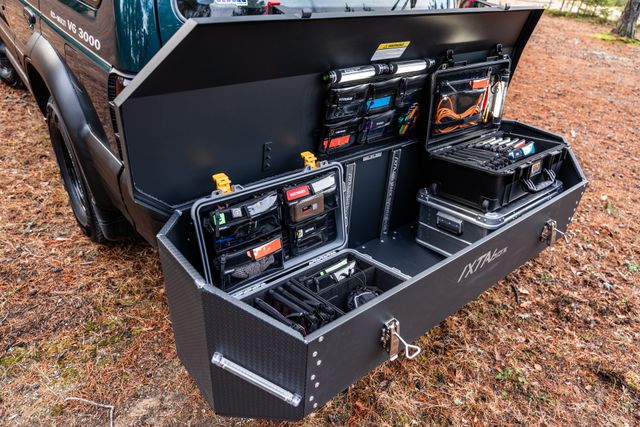
Choosing the right bins changes how efficiently gear fits inside storage units. An outdoor equipment review highlighted a duffel box hybrid combining flexible fabric sides with a rigid frame for better packing. Modular gear containers stack safely without collapsing under heavy weight.
Categorizing equipment into transparent, labeled containers speeds up seasonal gear swaps. Using specific bin colors for distinct activities keeps items organized. Here are 3 common storage container types for outdoor equipment:
- Heavy-duty plastic totes with lockable lids
- Clear modular bins for quick visual identification
- Weatherproof soft-sided duffels for flexible packing
Waterproof seals on lids stop dust and moisture from damaging sensitive gear. Sturdy handles make lifting heavy equipment far safer for your back. Standardizing bin sizes lets containers stack neatly together on shelf units.
Organizing Outdoor and Camping Gear
Camping gear breaks down fast if packed when damp or dirty. Tents require complete drying before folding to avoid mildew growth inside canvas layers. Airing out sleeping bags before packing preserves fill warmth for future trips.
Hanging items off ground levels prevents compression damage to delicate fabrics. Sleeping bags store best loosely draped inside large cotton bags rather than tight compression sacks. Wall hooks keep backpacks and ropes off concrete floors.
Camp stoves and fuel canisters demand careful handling inside enclosed spaces. Propane tanks must disconnect from stoves before storing gear away. Cleaning stove burners prevents food residue from attracting pests.
Protecting Tools and Work Equipment
Power tools and hand equipment need rust protection in dark storage units. Applying light machine oil to metal surfaces guards against airborne moisture. Desiccant packs placed inside toolboxes absorb ambient humidity effectively.
Tool organizers prevent metal blades and bits from dulling during transit. Foam inserts keep sockets and wrenches seated securely in assigned positions. Wall-mounted pegboards keep hand tools visible and quick to retrieve.
Lithium batteries need proper care when removed from cordless power tools. Storing batteries at half charge preserves total cell lifespan over winter months. Extreme cold or heat damages internal battery cells permanently.

Establishing an organized storage plan keeps vehicles running smoothly and equipment in top condition. Taking simple preparation steps protects valuable gear from weather damage and unexpected wear.
Smart packing habits turn chaotic garages into efficient workspaces. Strategic organization guarantees that tools and recreation gear stay ready for action whenever needed.