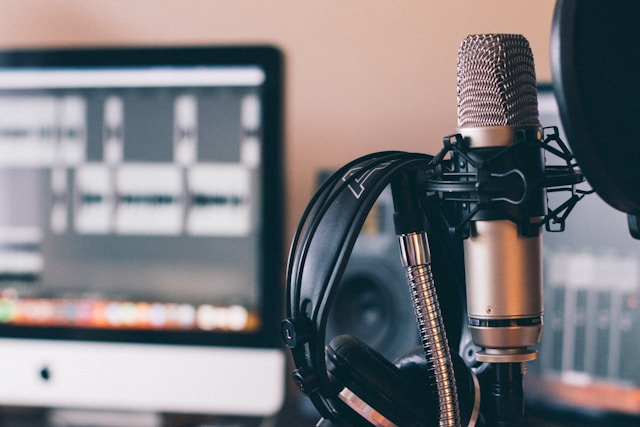
Audio podcasts are not dead. The clearest evidence in 2026 says the medium has become dual-format.
Edison Research’s Infinite Dial 2026 found that 80% of Americans age 12 and older have listened to or watched a podcast, while 57% have done both. Edison’s conclusion was blunt: video is expanding podcasting rather than replacing audio.
The more commercially interesting change is happening at the top of the market. Podtrac’s March 2026 multi-channel ranking found that the top 50 podcasts generated 56% of their delivery from video and 44% from audio. Lower down the chart, audio still led comfortably.
That split tells the real story. Vodcasts have not replaced every RSS feed. They have become the format most capable of producing a hit large enough to behave like a television show, social clip engine, and podcast at the same time.
The Top of the Chart Now Looks Like Television
YouTube announced more than 1 billion monthly active viewers of podcast content in 2025. By October, viewers were watching more than 700 million hours of podcasts on living-room devices in a single month, up from 400 million hours a year earlier.
The couch matters. A podcast on a television is no longer background audio with a static logo. It competes with late-night shows, sports panels, interviews, and documentaries.
Podtrac’s ranking shows the production change clearly. In March 2026, 64% of the top 200 podcasts posted video episodes to YouTube, while 66% used Instagram clips and 55% used TikTok clips. Half of YouTube podcast delivery came from full episodes and half from clips.
One recording now feeds several products:
- A full video episode for YouTube or connected TV
- An audio version for RSS and listening apps
- Vertical clips for TikTok, Reels, and Shorts
- Still images, quotes, and reactions for social feeds
- Sponsorship inventory that can live across every version
The show is still a podcast. The production plan is closer to a small media franchise.
Men 25-44 Are a Valuable Part of the Audience
The claim that vodcasts “won men 25-44” needs care because no public report proves that every video podcast shares the same demographic.
The audience patterns are still hard to ignore. Edison found monthly podcast listening was higher among men than women in 2025. Its 2026 study found that 68% of Americans ages 35-54 had consumed a podcast in the previous month.
Individual shows sharpen the picture. Edison reported that All the Smoke had an audience that was 89% male and mostly ages 25-44. “This Past Weekend” with Theo Von and the “Lex Fridman Podcast” also over-delivered among younger men.
Sports, comedy, business, news, and long-form interview shows work particularly well on camera because the audience gets more than dialogue. Facial reactions, studio dynamics, clothing, products, and body language become part of the experience. Those details also give editors more material for clips that travel outside the episode.
For advertisers, men 25-44 are not only listeners. They are viewers who can be reached through podcast reads, YouTube inventory, social clips, connected TV, branded sets, and product placement.
Production Is Becoming the Competitive Edge
The platforms are spending as though video is now core infrastructure.
Spotify opened Sycamore Studios in Hollywood in January 2026 with flexible rooms, multi-camera setups, and on-site production support. In May, the company said[more than 500 million users had streamed a video podcast, up nearly 50% year over year.
Spotify had already revealed that it paid more than $100 million to podcast publishers and creators in the first quarter of 2025. The company has since added video sponsorship tools, memberships, and wider distribution partnerships.
Podtrac’s data shows why that investment matters. Only 30% of the top 200 shows received most of their episode delivery through video in March, yet video accounted for the majority of delivery among the top 50.
The gap is not simply a camera. Strong vodcasts need sets that look intentional, clean audio, reliable lighting, several useful angles, live switching or careful editing, and a clip plan built before recording starts.
Brands and publishers using DesignRush’s video production directory to compare production partners should ask how one shoot will work across YouTube, Spotify, connected TV, audio feeds, and vertical social channels. A team that only delivers a two-hour master file is leaving much of the value unused.
Audio Still Has Jobs Video Cannot Replace
Audio remains better for driving, commuting, exercise, chores, and any situation where the screen would be a distraction. Every show in Podtrac’s top 200 still posted audio episodes to RSS.
The strongest model keeps both formats. Video creates discovery and gives the show a visible identity. Audio preserves convenience and habit.
Three production decisions now separate a podcast from a vodcast built for growth:
- Frame the hosts for both long viewing and vertical crops.
- Design the conversation around moments that can become standalone clips.
- Record clean enough audio that the episode still works with every camera switched off.
The vodcast quietly won the visible layer of podcasting. It owns the thumbnails, clips, television screens, and reaction shots that bring new audiences into a show.
Audio keeps the relationship going once they arrive.