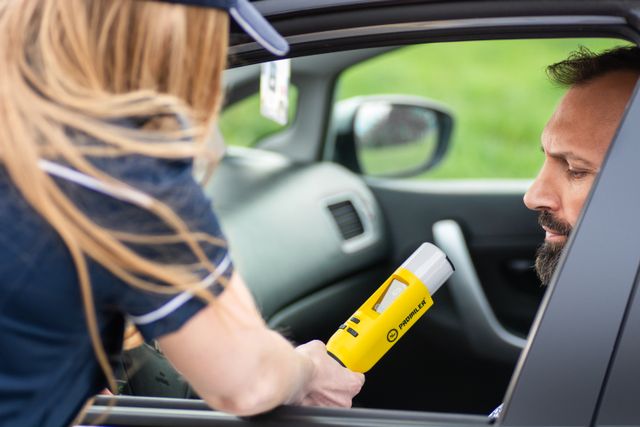
In driving while intoxicated cases, one of the most important pieces of evidence is often blood alcohol content, commonly referred to as BAC. This measurement is used to estimate the amount of alcohol present in a person’s bloodstream and helps law enforcement evaluate whether a driver may have been impaired at the time of the traffic stop or accident.
Although many people have heard of a BAC limit, fewer understand how BAC is actually measured or how testing works during a DWI investigation. The process can involve breath testing, blood analysis, or sometimes urine testing, depending on the circumstances and the laws of the jurisdiction involved.
What Blood Alcohol Content Actually Means
Blood alcohol content measures the percentage of alcohol present in a person’s bloodstream. For example, a BAC of 0.08% generally means there are 0.08 grams of alcohol per 100 milliliters of blood. In most states, this level serves as the legal threshold for presumed intoxication in ordinary adult drivers. However, impairment can still exist below 0.08 depending on the circumstances. Likewise, BAC alone is not always the only evidence prosecutors rely on in DWI cases. Officer observations, driving behavior, field sobriety testing, admissions, and physical signs of impairment often accompany chemical testing evidence during prosecution. Still, BAC testing remains one of the central components of many impaired driving cases.
Breath Testing Is the Most Common Method
The most common BAC testing method in DWI cases is breath analysis. Breathalyzer-type devices estimate blood alcohol concentration by measuring alcohol present in a person’s breath. The scientific principle behind these tests is that alcohol in the bloodstream transfers into the lungs and can be detected in exhaled air.
During a traffic stop or after arrest, an officer may ask the driver to provide breath samples using an approved testing device. Modern breath testing instruments use infrared spectroscopy, fuel cell technology, or other chemical analysis methods to estimate BAC levels. These machines are calibrated according to specific standards and are intended to provide scientifically reliable estimates of alcohol concentration when operated properly.
Breath Tests Estimate BAC Indirectly
One important thing to understand is that breath tests do not directly measure alcohol in the blood itself. Instead, they estimate BAC based on the amount of alcohol detected in deep lung air. The machine then applies a conversion ratio intended to approximate blood alcohol concentration. Because this process involves estimation rather than direct blood measurement, breath testing can sometimes become a source of legal dispute. Factors such as calibration issues, improper administration, medical conditions, temperature variations, or residual mouth alcohol may potentially affect results in certain situations. Defense attorneys frequently examine whether testing procedures were followed correctly and whether the machine was functioning properly at the time of testing.
Blood Testing Is Often Considered More Precise
Blood tests directly analyze the alcohol concentration within a blood sample and are generally considered more precise than breath testing. In some DWI investigations, officers obtain blood samples through warrants, implied consent procedures, medical draws, or consent from the driver. The sample is then analyzed in a laboratory using scientific testing methods designed to measure alcohol concentration accurately. Blood testing is especially common in serious accidents, felony DWI investigations, cases involving suspected drug impairment, or situations where breath testing is unavailable or disputed.
Timing Matters in BAC Testing
One of the most important issues in DWI cases is timing. Alcohol absorption and elimination occur gradually over time, meaning BAC levels change continuously after drinking. A person’s BAC at the time of testing may not perfectly reflect their BAC while actually driving. For example, someone may still be absorbing alcohol into their bloodstream at the time of the traffic stop, causing BAC levels to rise later during testing. In other situations, BAC may already be declining by the time samples are collected. This timing issue sometimes leads to legal arguments involving “retrograde extrapolation,” where experts attempt to estimate BAC levels at an earlier point in time based on later test results.
Field Sobriety Tests Are Separate From BAC Testing
Many people confuse field sobriety tests with BAC measurement itself, but they are different forms of evidence. Field sobriety exercises are observational tools used by officers to evaluate balance, coordination, attention, and physical behavior. These tests may help establish probable cause for arrest or further testing, but they do not directly measure blood alcohol concentration. Chemical testing through breath, blood, or urine analysis is what provides numerical BAC evidence. Both forms of evidence are often used together in DWI prosecutions.
BAC Is Important, But It Is Not Everything
Although BAC evidence is often central in DWI prosecutions, it is not the only factor considered. Prosecutors frequently rely on officer observations, driving behavior, witness testimony, admissions, field sobriety testing, and accident evidence alongside chemical testing results.
Likewise, defense attorneys may challenge not only the BAC result itself, but also the legality of the stop, the administration of tests, or the interpretation of impairment evidence overall. DWI cases are often more legally and scientifically complex than many people initially assume.
