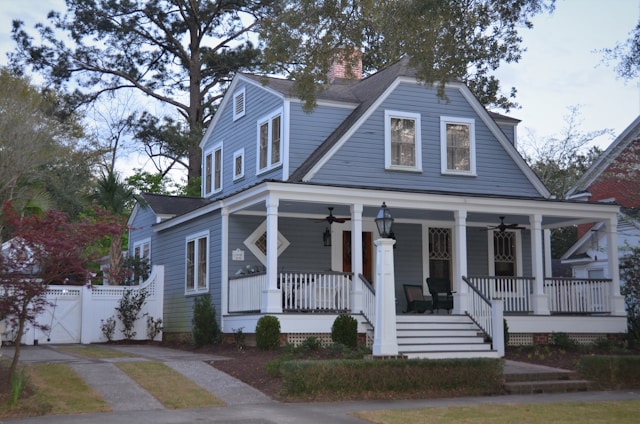
Selecting paint for any room goes beyond settling on a colour. The location and presence of exposure will play a huge role in what kind of paint you should choose. Various situations affect the performance and durability of paint. Saturated colours, for example, appear vibrant and reflective in strong sunlight but can turn dull in indirect light or shade, so you need to know how the weather relates to your painting choice to avoid a costly disappointment.
Effects of Sunlight on the Performance of Paint
The paint will begin to fade more quickly in direct sunlight. However, UV rays will break down some of the pigments, making the colours appear duller as time passes. Outdoor paint also has special additives that resist fading that normally occurs in the sunlight to protect the surface. Formulas are available that prevent fading, and therefore, these spaces exposed to direct sunlight can retain their vibrancy for years. Many housepainters in Wellington, NZ, take sun exposure into account when choosing the right exterior paint for a longer-lasting colour.
Moisture and Rain Resistance
High humidity or heavy rain also has an effect on the paint’s lasting power. If the paint does not have a proper resistance, then moisture will get active on the walls, and the paint will start bubbling, peeling, etc. Water-resistant paints form a thin film covering that helps protect your wall from being damaged by rain. Water-repellent paints provide long-lasting coverage as well as lessen the risk of mould growth at sites receiving heavy rain.
Temperature Fluctuations and Paint Flexibility
Surfaces expand and contract with changing temperatures. Some types of paint are not flexible enough and will crack or chip in these conditions. Exterior formulas have their ingredients so they can stretch and come back to a shape similar to the body underneath. This allows a layer of paint to remain undamaged over warm summers and cold winters without developing unsightly breaks.
Wind and Abrasion Protection
The first enemy is the strong wind that blows, which will carry dust and dirt that scrapes and wears paint surfaces. Foul-weather paints are also maximum strain-resistant, allowing you to put on protection against cracks and scratches on the surface. The two options provide more durability in exposed areas and keep their surfaces cleaner and newer after tough storms.
Salt Air and Coastal Conditions
Homes near the water face their own unique challenges and obstacles. On the other hand, the salt in the pervading sea breezes will quickly corrode surfaces and cause paint to deteriorate rather swiftly as well. Salt-resistant paints are best for such places to protect homes and buildings. The right type should avoid early wear and withstand salty air but also look good while doing so.
Choosing Paint by Location
Different locations have different weather challenges. Pollution and grime may be an aspect of life for those in Urban environments, with residue from the surroundings left bonding to painted surfaces. Outside the city, you may encounter dust or mud splashes. Speciality paints for demands like pollution resistance or ease of cleaning offer durability. You will receive the best results as well as save on unnecessary maintenance through careful consideration of the local climate conditions.
Importance of Surface Preparation
Surface preparation is vital before applying paint. The surfaces are cleaned, sanded, and primed for better paint adhesion and weatherability. Preparation lays the groundwork, so paint lasts longer and works as it should. Even with the best paint, skipping these steps can cause early peeling or fading.
Environmental Considerations
Certain paints give off low-volatile organic compounds that not only damage the ecology but also impact indoor air. You can choose modern low-emission formulas that protect while using less energy and causing less harm to human health and the environment. Responsibly manufactured paints allow you to maintain a healthy environment without compromising its durability or colour.
Maintenance and Regular Checks
A little TLC once a year will do wonders for even the hardest paint. Inspections are done regularly to verify for minor issues, such as fading or pinching, which often are the signs of future failures. Dealing with these issues as soon as possible minimises further damage and helps extend the shelf life of the painting. Just like with nails, simple touch-ups can keep things from creating bigger issues and can keep everything looking fresh.
Conclusion
Exposure to the weather changes everything for paint. Choosing the type that works best for the environment is a factor that guarantees a long-lasting result with low maintenance. By thinking about sun, moisture, temperature, wind, and local conditions, we create surfaces that are not just beautiful but lasting. With careful planning and ongoing maintenance, paint serves as both a beautiful and protective surface for any structure for many years.
