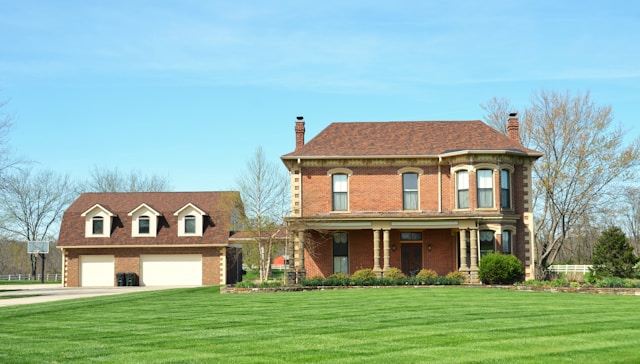
A front yard doesn’t need a complete overhaul to feel different. Often, the shift comes from how people move through it. The path from the street to the front door, the way the driveway meets the house, the small transitions in between? These details shape the first impression more than most realize.
Why do walkways have such a big impact on first impressions?
A walkway does more than connect two points. It sets the tone before anyone even reaches the front door. If the path feels awkward, uneven, or unclear, the entire space can feel less welcoming, even if the landscaping is well maintained.
That’s why thoughtful walkway installation services focus on both function and flow. A well-designed walkway guides movement naturally. It feels intuitive, as if there’s only one obvious way to approach the house.
How does a driveway influence the overall feel of the property?
The driveway often takes up more visual space than any other feature in the front yard. Even when people don’t consciously focus on it, it shapes how the home is perceived. A worn or poorly integrated driveway can make the entire exterior feel disjointed. Cracks, uneven edges, or mismatched materials tend to draw attention in ways that landscaping alone can’t offset.
With well-planned driveway construction, the goal is to create something that feels connected to the home rather than separate from it. The transition from street to driveway, and from driveway to walkway, should feel seamless.
Proportion plays a role here as well. A driveway that overwhelms the front yard can make the space feel dominated by vehicles, while one that’s too minimal might not support practical use. Finding the right balance helps the entire area feel more cohesive.
What makes the transition between spaces feel natural?
Movement through a front yard isn’t just about reaching the door. It’s about how each step feels along the way. Transitions between surfaces, like driveway to walkway or walkway to porch, can either feel smooth or abrupt.
Small elevation changes, if handled thoughtfully, can add depth without creating obstacles. Edging and borders help define spaces without making them feel closed off. These details guide the eye and the body at the same time.
How do you balance appearance with everyday use?
A front yard needs to function just as well on a busy weekday as it does when guests arrive. That means thinking beyond appearance and considering how the space handles daily routines. Durability becomes important here. Surfaces should handle foot traffic, weather changes, and regular use without constant maintenance. When materials age well, the space continues to feel inviting without requiring ongoing attention.
At the same time, the design shouldn’t feel purely practical. Subtle visual details, like pattern variations or complementary tones, can elevate the space without making it feel overly styled.
