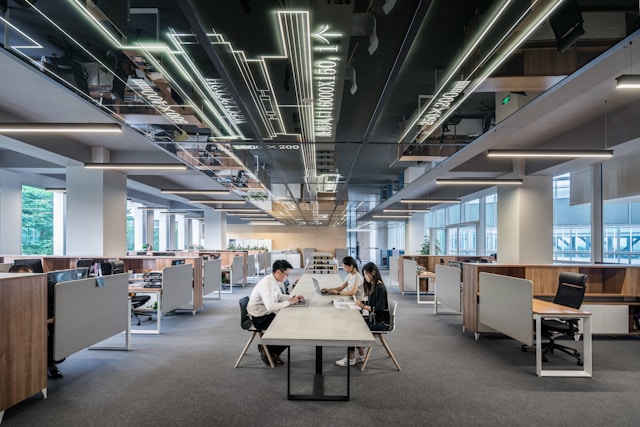
Furnishing a new office involves far more than selecting attractive furniture. The layout directly affects how people move through the space, how well they collaborate, and how easily they can focus. Too often, companies prioritize appearance over function and end up with a workspace that works against them.
Fixing layout problems after move-in is expensive and disruptive. Getting the planning right from the start protects the investment and sets the team up for long-term success.
1. Ignoring Traffic Flow
A workspace with poor traffic flow creates friction before the workday even begins. When desks and storage units block natural pathways, employees disrupt each other simply by walking to a printer or restroom. Main aisles should be wide enough for two people to pass without squeezing. Entry points, shared equipment stations, and fire exits all need clear, unobstructed access built into the plan.
2. Skipping a Space Audit Before Buying
Ordering furniture before taking accurate measurements leads to expensive mismatches. Oversized conference tables swallow small rooms. Standard-depth desks can block emergency exits or crowd electrical panels. A thorough space audit, covering ceiling heights, structural columns, floor outlet positions, and window placement, should be completed before a single item is ordered.
Businesses that work with specialists to source quality office furniture in Tampa today often receive practical guidance on sizing, spacing, and product selection before anything ships. That kind of vendor support prevents the most common and costly purchasing mistakes companies make early in the process.
3. Misplacing Collaborative Zones
Brainstorming areas placed next to focused workstations create a constant noise conflict. Employees trying to concentrate lose productivity when a nearby group is working through ideas out loud. Collaboration zones belong near break rooms, reception areas, or low-traffic corners of the floor. That placement supports spontaneous teamwork without penalizing the people who need quiet.
4. Overlooking Storage Needs
Storage is often overlooked, leading to desks becoming cluttered within weeks of opening. Filing cabinets, wall-mounted shelving, and mobile pedestals should be part of the original floor plan, not additions squeezed in later. Different departments have different storage volumes. The layout should account for those differences from the beginning rather than trying to accommodate them after furniture is already in place.
5. Choosing Style Over Ergonomics
A chair that photographs well in a showroom can cause real physical strain after several hours of continuous use. Seats without proper lumbar support, desks at the wrong height, and monitors positioned too low or too far away all contribute to discomfort that accumulates over time. Ergonomic function should drive purchasing decisions first, with aesthetics playing a supporting role.
5.1 Adjustability Matters
Fixed-height desks limit how employees can configure their workstations. Height-adjustable options let people shift between sitting and standing throughout the day, which supports circulation and reduces fatigue. That flexibility leads to greater comfort and more consistent daily output over time.
6. Neglecting Natural Light Distribution
Monitors placed facing windows create glare that strains the eyes within minutes. Workstations positioned far from any natural light source lose one of the most effective tools for maintaining energy and focus during the day. A well-considered layout distributes light exposure as evenly as possible across the floor. High partitions should be reserved for areas where privacy is genuinely required, not used as default dividers throughout the space.
7. Forgetting About Acoustic Planning
Hard surfaces and open floor plans amplify sound in ways that surprise most companies after they move in. Without deliberate acoustic planning, a single phone conversation can carry across an entire room. Rugs, upholstered seating, ceiling baffles, and soft partition materials all reduce sound travel. Incorporating these elements during the layout phase is far easier than retrofitting them once the space is fully occupied.
7.1 Private Call Spaces
Video calls and phone meetings are part of everyday work. Employees need access to semi-private areas where they can speak without disturbing colleagues. A layout that ignores this reality forces improvised workarounds, and those workarounds create noise problems for everyone else nearby.
8. Treating the Layout as Permanent
Teams grow, restructure, and shift priorities. A fixed layout that cannot adapt becomes a constraint rather than an asset. Modular desking systems and movable partitions allow companies to reconfigure the floor without major capital expenditure. Building that flexibility into the original plan extends the useful life of the layout and reduces the cost of change when it inevitably comes.
Conclusion
Layout mistakes are easy to make during the excitement of opening a new space, but they are far harder to correct once the office is running. Thoughtful planning around traffic flow, storage, acoustics, light, and ergonomics creates a workspace that genuinely supports the people using it every day. Taking the time to get these details right before move-in, rather than patching problems afterward, is one of the more valuable investments a company can make in its long-term operational health.