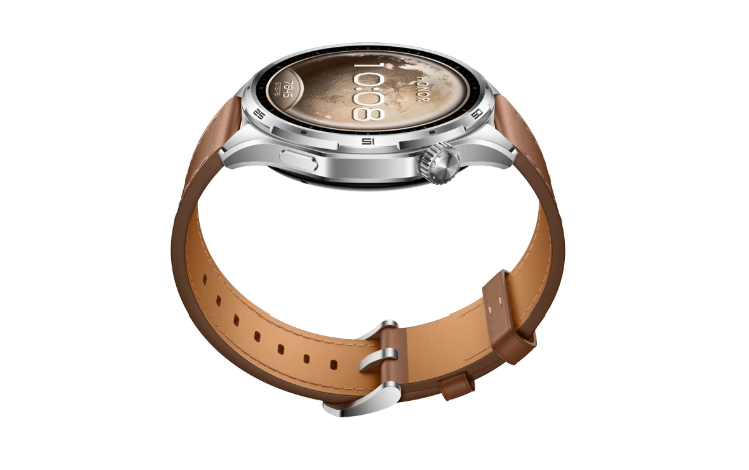
Smartwatches pack smartphone-style power into a device that fits on your wrist. They track your steps, show notifications, measure your heart rate, and even let you pay at the checkout counter. Many models now act as health companions, warning about abnormal heart rhythms or encouraging you to move more. To deliver all this, they combine miniaturized hardware, advanced software, and cloud services. Tiny processors handle apps and watch faces, while sensors capture movement, heartbeat, and sleep patterns. Wireless chips keep the watch connected to your phone, Wi‑Fi, and satellites. Artificial intelligence then turns raw data into practical guidance. Understanding these layers of technology helps you choose the right smartwatch and use its features more confidently every day.
Core Technologies That Power Smartwatches
Processors, Displays, and Memory
At the heart of every smartwatch sits a low‑power processor designed for constant use. These chips balance performance with battery life, running the operating system, apps, and real‑time health tracking without draining power too quickly. Modern watches often use ARM‑based processors with dedicated units for graphics and sensor management. Displays rely on OLED or AMOLED panels, which offer deep blacks and bright colors while using less energy by lighting individual pixels. Some budget models use LCD screens, trading contrast for lower cost. Memory also plays a key role. RAM keeps apps and animations smooth, while internal storage holds watch faces, music, and offline maps. Efficient hardware design ensures everything works together in a small, durable, and wearable form factor.
Sensors for Health and Fitness Tracking
Smartwatch health features depend on a suite of precise sensors. An accelerometer tracks movement and steps by detecting changes in speed and direction. A gyroscope adds rotation data, improving workout recognition and wrist‑raise detection. Optical heart rate sensors shine light into the skin, then measure reflection to estimate pulse and blood flow patterns. Some models include SpO2 sensors that estimate blood oxygen levels, or ECG electrodes that record electrical heart activity. A barometer measures air pressure to estimate elevation gain during hikes or stairs climbed. Skin temperature and ambient light sensors further refine sleep and activity analysis. Algorithms fuse data from all these sensors to classify activities, estimate calories burned, and highlight trends, turning raw measurements into meaningful health insights.
How Smartwatches Stay Connected
Bluetooth, Wi-Fi, GPS, and NFC
Smartwatches rely on several wireless technologies to stay useful throughout the day. Bluetooth maintains a constant link to your smartphone, syncing notifications, calls, and app data with minimal power use. Wi‑Fi lets the watch connect directly to the internet when the phone is out of range, useful for updates, streaming, or cloud backups. Built‑in GPS tracks location and routes during outdoor workouts without needing your phone, providing detailed pace and distance statistics. NFC (Near Field Communication) supports contactless payments and quick pairing with accessories by holding the watch near a terminal or device. These radios work together, switching intelligently to save battery while keeping you connected.
Notifications, Calls, and App Integration
Smartwatches act as an extension of your phone, delivering information without needing to pull it from your pocket. The watch receives notifications from the phone over Bluetooth, then displays messages, emails, and app alerts on your wrist. Microphones and speakers enable voice calls directly from the watch, while some models add LTE or 5G for standalone calling and data. Tight integration with mobile operating systems allows apps like calendars, music players, maps, and messaging services to mirror or complement their phone counterparts. Developers build companion apps that sync data both ways, so steps, workouts, and health stats flow into fitness platforms. This constant, low‑friction connection makes the smartwatch feel like a natural part of your digital life.
Smart Software and AI Features
Operating Systems and User Experience
Smartwatch operating systems and proprietary platforms provide the software foundation. They manage power use, handle notifications, schedule background tasks, and offer built-in apps. The user interface favors simplicity: glanceable complications, swipe-based navigation, and voice commands. Customizable watch faces highlight key data like heart rate, weather, or upcoming events. In many wearable evaluations, including an honor watch 6 review, software usability and interface responsiveness are key factors that influence the overall user experience. Voice assistants let you set reminders, start workouts, or control smart home devices without touching your phone. App stores extend functionality with tools for fitness, productivity, travel, and entertainment. Behind the scenes, the OS optimizes performance and security, ensuring smooth interactions and safe handling of sensitive health and payment information.
AI-Powered Health and Activity Insights
Artificial intelligence helps smartwatches move beyond simple step counts. Machine learning models analyze patterns in heart rate, motion, and sleep to detect trends and anomalies. The watch learns your typical resting heart rate, daily activity rhythm, and preferred workout types. It then offers personalized goals, recovery suggestions, and reminders to move when you stay inactive too long. Some devices flag irregular heart rhythms, potential stress levels, or poor sleep quality, urging you to check in with a professional when necessary. AI also powers adaptive workout tracking, automatically recognizing exercises and adjusting calorie estimates. Over time, these insights feel more tailored, turning the smartwatch into a proactive coach rather than a passive tracker.
Conclusion
Modern smartwatches succeed because they blend compact hardware, reliable connectivity, and intelligent software into a single wearable device. Processors, displays, memory, and sensors work together to capture detailed health and activity data. Wireless technologies keep the watch in constant touch with your phone, the internet, and location services, making information available at a glance. Operating systems and AI algorithms then transform this stream of data into alerts, guidance, and long‑term trends you can understand and act on. When you choose a smartwatch, you are really choosing a mix of these technologies and how well they fit your lifestyle. Knowing what happens inside the device helps you use it more effectively and get real value from wearing it daily.