Diamond jewellery carries an emotional pull that stretches far beyond sparkle and style. Every piece begins with a mix of personal preference, cultural meaning, practical needs, and artistic vision. When someone selects a ring, pendant, bracelet, or pair of earrings, the design reflects far more than surface appeal.
It mirrors lifestyle, personality, sentiment, and even long-standing traditions. This guide explores core points that shape these choices, offering a clear picture of what drives people toward one design path over another. Each section highlights a distinct influence, helping readers understand how many layers stand behind a finished piece.
Shape and Cut Preferences
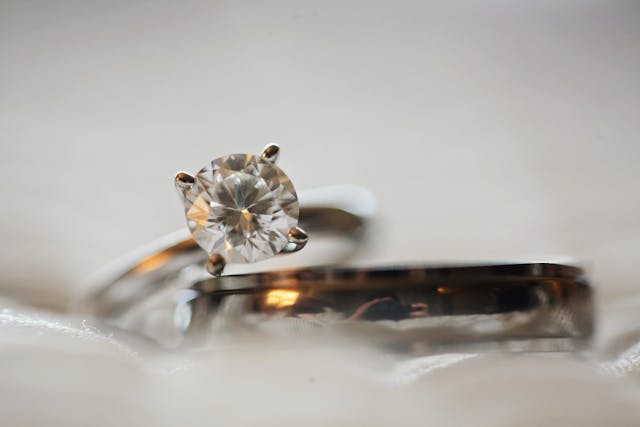
Shape and cut often form the first point of interest when exploring diamond jewellery. Each cut carries its own mood, with some leaning toward structured lines and others giving off a soft, rounded impression. People often gravitate toward shapes that mirror their self-image or the message they want a piece to project.
An angular cut can create a bold tone, whereas a round shape leans toward a calmer feel. The cut guides how light travels through the stone, which affects brilliance and the entire visual impact. These qualities shape and cut central elements in the design process.
Symbolic Meaning and Emotional Value
Jewellery often serves as a marker for milestones, promises, or personal stories, carrying more than just aesthetic appeal. A piece may include subtle symbols, meaningful engravings, or unique stones that reflect a person’s journey or values. For example, purple diamonds are sometimes chosen to represent individuality, creativity, or a distinctive moment in life, adding a personal touch that ordinary stones might not convey. Some designs draw on heritage, cultural motifs, or family traditions to strengthen emotional resonance.
Every choice, from setting to stone, becomes a deliberate expression, transforming the jewellery into a meaningful keepsake that holds lasting significance. This personal connection often influences the design as strongly as visual or practical considerations.
Metal Selection and Its Influence on Style
The choice of metal strongly shapes the final character of a piece. Gold offers a warm glow that blends well with traditional designs or heirloom-inspired looks. White metals, such as platinum or white gold, create a bright backdrop that enhances clarity and brightness in a diamond.
Rose tones bring a softer, romantic touch. Each metal interacts with a diamond’s visual traits uniquely, influencing how the stone appears in different lighting. The right match between metal and diamond can create harmony in the design, forming a unified whole that feels thoughtfully crafted.
Lifestyle Needs and Daily Practicality
Personal habits and daily activities influence design direction far more than many realise. Someone with an active routine may look for secure settings, lower profiles, or designs less prone to snagging. A person who frequently attends formal settings may prefer more intricate, eye-catching styles.
Durability concerns often shape the final choice as well. Those who want jewellery suited for everyday wear often lean toward sturdier designs that can handle frequent movement. Special-occasion pieces leave room for creativity and delicate features that might not suit constant use. Lifestyle patterns guide many of the subtle decisions behind a design.
Current Fashion Trends and Market Direction
Fashion cycles play a strong role in shaping what many people choose. A surge in vintage-inspired styles may nudge buyers toward halo settings or ornate metalwork. A period marked by minimalist preferences might highlight clean lines and understated designs.
Social media exposure amplifies these movements, spreading styles rapidly across different regions. Even when someone prefers a timeless look, subtle influences from popular collections or celebrity pieces can guide their choices. Designers often track these shifts closely, weaving modern influences into pieces without overshadowing personal taste.
Budget Considerations and Design Balance
Financial limits shape countless decisions throughout the design journey. A person may aim for a larger diamond but compromise through a different clarity grade, or choose a simpler setting that allocates more funds to the stone. Others may prioritise craftsmanship and metal quality over size.
Skilled designers often help clients strike a balance between visual impact and cost-effective choices. This balancing act guides stone selection, metal choice, and complexity of the piece. The final design becomes a thoughtful blend of preference and practicality, forming a piece that feels right in appearance and cost.
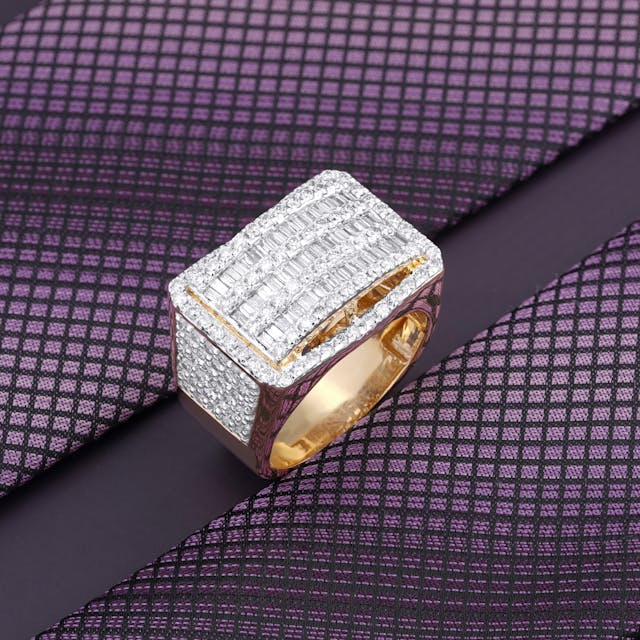
Diamond jewellery design reflects a mixture of artistic style, emotional meaning, practical needs, and budget realities. Each factor filters into the next, shaping a piece that carries personal significance and visual appeal. When someone invests time in understanding these elements, the final design becomes a meaningful addition to their story.