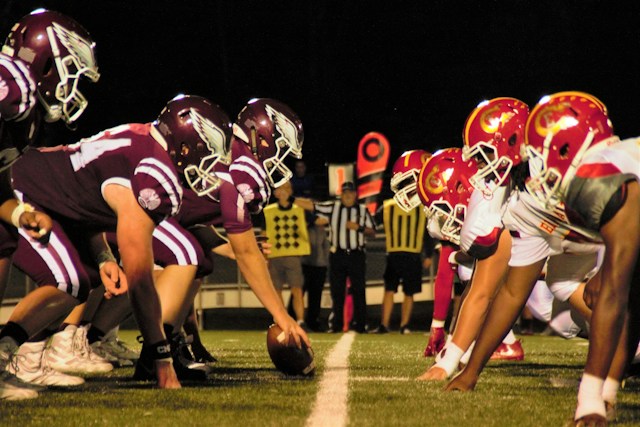
College football Saturdays get most of the attention, but players spend months preparing for the handful of games fans actually see. Long before kickoff, athletes work through conditioning sessions, position drills, film study, strength programs and practices designed to prepare them for the physical demands of the season. Equipment also matters. The right gear can help players practice comfortably, protect themselves during contact and develop habits that carry into competition.
Preparation becomes even more important as the season approaches. Players are no longer simply trying to get stronger or faster. They need to translate offseason work into football-specific movement, improve technique and make sure their equipment is ready for repeated practices and games. A smart approach can make the transition from summer workouts to opening weekend considerably easier.
Build Football-Specific Conditioning
General fitness provides a foundation, but football requires a particular combination of acceleration, strength, agility and recovery. Players rarely run continuously for long stretches. Instead, they explode off the line, sprint, change direction, make contact and recover before doing it again.
Conditioning should reflect those demands. Short sprints, shuttle runs, resisted movements and position-specific drills can prepare athletes for the stop-and-start nature of a game. Linemen may focus heavily on explosive first steps and short bursts of power, while receivers and defensive backs need speed that holds up through repeated routes and coverage assignments.
Conditioning also needs to account for practice itself. A player who looks great during the first 20 minutes but loses technique as fatigue builds has more work to do. Maintaining sound movement late in a session is one of the better signs that offseason conditioning is translating to the field.
Treat Practice Like Preparation
Practice equipment deserves more attention than it sometimes receives. Players spend far more hours practicing than competing, which means everyday gear has to withstand plenty of use. Cleats should fit properly and suit the playing surface, while gloves, mouthguards, protective equipment and training apparel should be inspected regularly.
Comfort matters, too. Equipment that constantly needs adjustment becomes an unnecessary distraction during drills. Breaking in cleats before an important practice, testing gloves in different weather and replacing worn equipment early can prevent minor problems from becoming aggravating ones.
Players should also arrive prepared for changing conditions. Late-summer practices can mean heat, humidity and sudden rain, depending on the program’s location. Keeping backup essentials available allows athletes to concentrate on assignments instead of discovering five minutes before practice that the gear they need is still sitting at home.
Choose Gear With Purpose
Football equipment has become increasingly specialized, giving players plenty of choices based on position and preference. Receivers may prioritize grip and flexibility in gloves, while linemen often want additional hand protection. Skill-position players may favor lightweight equipment that supports freedom of movement without creating unnecessary bulk.
Shopping for football gear should therefore involve more than grabbing whatever looks good online. Players should consider fit, construction, intended position and how frequently an item will be used. For example, companies like Battle Sports have all the gear you need when building out a practice or game-day setup, but players should still select individual pieces according to their specific responsibilities on the field.
It also makes sense to replace equipment before it completely fails. Gloves that have lost their grip, worn cleats and damaged accessories can interfere with practice. Checking equipment throughout the season keeps players from discovering a problem when they are already dressing for kickoff.
Turn Training Into Performance
Physical preparation works best when athletes connect exercises to what they actually do during games. The goal is not simply to post impressive numbers in the weight room. Players need strength and speed they can use while blocking, tackling, covering, cutting and competing for the football.
A good sport performance start often comes from identifying the movements that matter most for a player’s position. A running back may emphasize acceleration, balance and rapid changes of direction. A linebacker needs explosive movement paired with the ability to react. Offensive linemen require tremendous strength, but footwork and body positioning can determine whether that strength becomes useful on a play.
Recovery belongs in the equation as well. Sleep, hydration, nutrition and appropriate rest between demanding sessions help athletes get more from their training. More work is not automatically better work, particularly when fatigue begins affecting technique.
Prepare for the Long Season
Opening weekend can feel like the finish line after months of offseason training, but it is really the beginning of another demanding stretch. College football players may face practices, games, travel, classes, meetings and recovery sessions for months. Preparation needs to account for that entire schedule.
Players can help themselves by developing routines before the season gets hectic. Organizing equipment, keeping up with recovery and treating practice habits seriously removes avoidable complications once games begin. Consistency also matters more than one spectacular workout. The athlete who repeatedly trains with purpose, maintains equipment and takes recovery seriously gives himself a better chance of staying prepared as the schedule progresses.
College football rewards talent, but talent has to survive a long season. Strong conditioning, dependable gear and position-specific preparation give players a practical foundation for doing exactly that.
