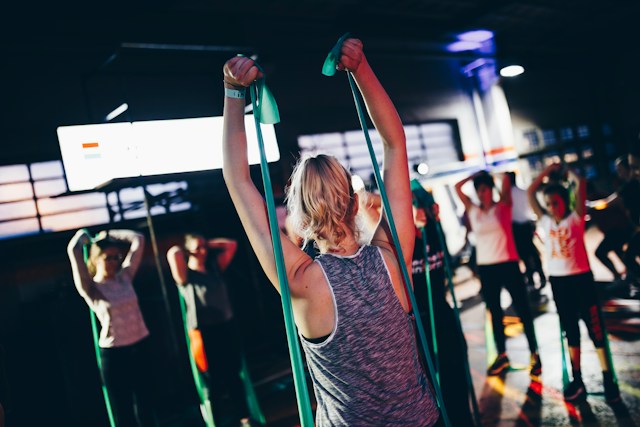
Group fitness classes can solve several problems that make regular exercise difficult. The workout is already planned, there is a specific time to show up, an instructor guides the session and other people are doing the same thing alongside you. For someone who finds an open gym floor intimidating or simply gets bored exercising alone, that structure can make physical activity easier to stick with. Classes are not reserved for young, highly conditioned athletes, either. Depending on the program, children, adults and older people can find options suited to their abilities, interests and fitness levels. The important part is choosing a class that matches your current capabilities rather than trying to keep pace with someone else’s.
Exercise Supports Lifelong Health
Regular physical activity contributes to health and longevity by supporting cardiovascular health, muscle strength, bone health, balance and other aspects of physical function. Group classes can provide a structured way to incorporate different types of movement rather than repeatedly doing the same workout.
The ideal format will vary with age, ability and goals. Younger adults may enjoy challenging cycling or strength sessions, while older participants may prioritize resistance exercises, balance and lower-impact movement. Someone returning after years of inactivity may need a beginner-friendly class where modifications are expected rather than treated as an exception.
A well-designed class should also make intensity adjustable. Resistance, range of motion, speed and exercise selection can often be modified, allowing participants to work at different levels while following the same general session.
Structure Removes the Guesswork
Walking into a gym without a plan can lead to wandering between machines, repeating familiar exercises or leaving earlier than intended. A class provides a beginning, middle and end, with an instructor determining the sequence and timing.
That can be particularly helpful for people learning new forms of exercise. An instructor can demonstrate movements, explain the intended technique and offer alternatives when an exercise is not appropriate for a participant. This does not make every class automatically suitable for everyone, so it is still worth discussing injuries, limitations or concerns with the instructor before beginning.
Scheduling provides another advantage. Putting a class on the calendar turns exercise into an appointment rather than something that gets squeezed into whatever time remains at the end of the day. For people who struggle with consistency, that small distinction can matter.
Social Exercise Feels Different
Group classes introduce an element that a treadmill cannot provide on its own: other people. Participants may start recognizing familiar faces, exchanging a few words before class and noticing when regulars are absent. Over time, a weekly workout can become part exercise session and part social routine.
That can be useful across generations. Adults working remotely may appreciate an activity that gets them around other people, while retirees may value another recurring social commitment. Younger participants can benefit from learning that movement can be recreational and social rather than solely competitive.
The group environment can also provide motivation during the workout. Seeing others continue through a challenging interval may encourage someone to keep moving, provided participants resist turning every class into an unofficial competition. The goal is to benefit from the group’s energy without ignoring personal limits.
The Right Gym Matters
Finding classes you genuinely enjoy is more important than choosing a facility because it advertises the longest schedule. When comparing gyms in Bethesda MD, Boston MA or San Diego CA, look at the actual class formats, times, experience levels and membership requirements at individual locations.
Someone interested in cycling should confirm that classes occur at times they can attend. A person seeking lower-impact exercise may want yoga, mobility, aquatic or other appropriate options. Parents might place additional value on facilities with childcare, while people interested in post-workout relaxation may prefer locations with pools, saunas or recovery amenities.
Try a class before committing when possible. Pay attention to whether instructions are understandable, modifications are available and the atmosphere feels welcoming rather than intimidating. A class can be challenging without making newcomers feel as though they accidentally wandered into an Olympic training camp.
Variety Keeps Exercise Interesting
Repeating one activity indefinitely can become tedious even when it is effective. Group fitness makes it relatively easy to change the type of movement without designing an entirely new program yourself. Strength training, cycling, yoga, dance-inspired workouts and other formats can each challenge the body differently.
Variety also allows exercise to change with your life. A demanding class may appeal during one period, while lower-impact sessions may fit better during another. Fitness does not need to look identical at 25, 45 and 70 to remain valuable.
The best group fitness class is ultimately one that suits your body, schedule and interests well enough that you want to return. Find the right environment, start at an appropriate level and give yourself permission to modify when needed. Exercise becomes much easier to maintain when showing up is an experience you actually enjoy.
