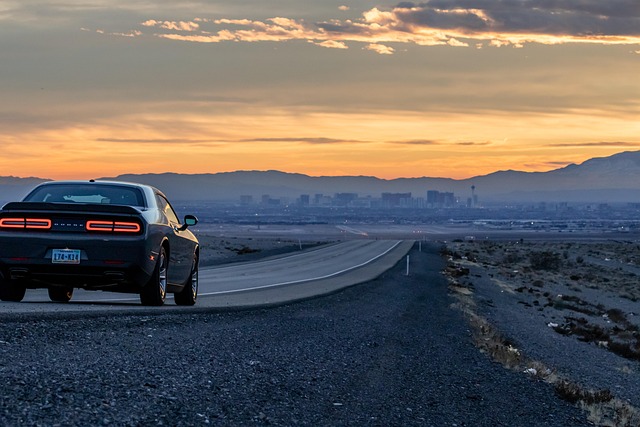
Few drives match the variety Arizona puts in front of you. Red rock canyons, pine-covered mountain towns, sweeping desert highways, and historic Route 66 stops all sit within a reasonable day’s drive of each other.
That freedom to explore is one of the best reasons to travel by car, but it comes with real responsibility. Long stretches between services, triple-digit summer temperatures, and roads that shift from flat desert to winding mountain grades all demand that your vehicle is genuinely ready before mile one.
Give Your Car a Thorough Check Before the Journey
A basic inspection before a longer drive is not overcaution. It is the single most useful thing a traveler can do to cut the chance of a breakdown somewhere inconvenient.
Fluids, Tires, and Lights
Start with engine oil, coolant, brake fluid, and windshield washer fluid. Low or degraded oil puts unnecessary strain on the engine, and low coolant is a serious problem in desert heat. Check tire pressure against the manufacturer’s recommendation, not just a visual estimate, and look for uneven tread wear or sidewall damage that might not be obvious at a glance.
Confirm that headlights, turn signals, and brake lights all work. Replace worn wiper blades before the trip rather than during a monsoon downpour.
Battery and Cooling System
Both deserve extra attention in Arizona. Battery industry research shows that for every 15°F rise in average operating temperature above 77°F, battery lifespan can be cut roughly in half. A battery that performs fine in a mild climate may quit under sustained desert heat, often without much warning. The cooling system works harder in high temperatures too, so check the radiator, hoses, and thermostat as part of the same inspection.
If the vehicle hasn’t been serviced in a while, or if any warning lights have appeared recently, schedule a professional look before you leave. A mechanic can catch things a walk-around will miss.
Prepare for Arizona’s Heat and Changing Conditions
Desert heat affects more than just the engine. Interior cabin temperatures in a parked car can reach dangerous levels within minutes, which means electronics, medications, and anything battery-powered should never be left inside an unventilated vehicle. Be sure that the air conditioning works properly before leaving, especially during summer months when driving without it is uncomfortable and potentially hazardous.
Carry more drinking water than seems necessary. Gas stations are easy to find near major highways, but some scenic routes pass through long stretches with no services at all. Plan accordingly.
One thing worth understanding early: Arizona is not one climate. Phoenix in July and Flagstaff in the same week are almost two different worlds. Sedona, the White Mountains, and the North Rim of the Grand Canyon all sit at elevations where temperatures are considerably cooler and afternoon thunderstorms are common during monsoon season. Check forecasts for the entire route before departure, not just your starting point.
Pack the Essentials That Can Make a Difference
A well-prepared vehicle carries more than luggage. The items below take up little space and matter considerably when something goes wrong far from the nearest town:
- A first-aid kit with basic wound care supplies
- A flashlight and spare batteries
- A phone charger and a portable power bank
- Jumper cables or a compact jump starter
- Basic tools and a properly inflated spare tire
- Extra water and non-perishable snacks
- A paper map of the region
Mobile coverage is unreliable in parts of rural Arizona, including some popular destinations. Download offline maps before entering those areas, and keep insurance cards, vehicle registration, and roadside assistance contact numbers somewhere easy to reach, not buried in a bag in the trunk.
Understand What to Do When a Road Trip Takes an Unexpected Turn
Careful preparation reduces risk, but it does not eliminate it. Unfamiliar roads, heavy traffic around the Phoenix metro area, driver fatigue on long stretches, and other drivers’ behavior all contribute to accidents that no amount of vehicle maintenance can prevent.
According to the Arizona Department of Transportation, there were 66 fatalities attributed to distracted driving in Arizona in 2024, across 8,537 crashes involving distracted drivers on all state roads. Those numbers reflect only what was reported, and ADOT notes the actual figure is likely higher. That’s worth sitting with for a moment.
When an accident happens because of another driver’s negligence, the aftermath can involve medical bills, vehicle damage, missed travel plans, and a claims process that’s unfamiliar to out-of-state visitors. Consulting a Phoenix personal injury lawyer can help injured travelers understand their legal options, evaluate whether compensation is available, and work through Arizona’s insurance requirements without guessing.
After any collision, the order of operations is medical attention first, then law enforcement, then documenting the scene with photos and written notes while the details are still fresh.
Plan Your Route With More Than Just Distance in Mind
The shortest path between two points isn’t always the most practical one. Construction zones, seasonal road closures, and limited fuel availability on certain scenic routes all affect how long a drive actually takes.
Sedona involves narrow canyon roads and heavy tourist traffic, particularly on weekends. Flagstaff sits at nearly 7,000 feet and can see snow well into spring. The Grand Canyon’s South Rim is roughly a four-hour drive from Phoenix under normal conditions, but the final stretch has limited services and no shortcuts. Identifying fuel stops in advance on any of these routes is worth the few minutes it takes.
Build extra time into the schedule for rest stops, sightseeing detours, and unexpected delays. A rigid itinerary with no breathing room turns a flat tire or a road closure into a genuine problem rather than a minor inconvenience. Flexibility is part of the plan.
Make Comfort and Driver Readiness Part of Your Preparation
Long hours behind the wheel reduce concentration gradually, and the effect is often harder to notice than it feels. Getting a full night of sleep before departure matters more than most drivers acknowledge. Avoid scheduling more daily driving than is realistic, especially on the first day when the urge to cover ground quickly is hardest to resist.
Take breaks every couple of hours, even when the driver feels fine. Adjust the seat, mirrors, and steering wheel before leaving the driveway rather than fiddling with them on the highway. Passengers can share navigation duties, watch for upcoming exits, and help keep the driver aware of conditions ahead.
And when multiple licensed drivers are in the vehicle, sharing the driving across a long day reduces fatigue for everyone involved.
The Takeaway
Arizona rewards travelers who give it the time and flexibility to explore beyond the obvious stops. The vehicle that gets them there deserves the same attention as the destinations on the itinerary.
Checking fluids, tires, and the battery, packing emergency supplies, planning around heat and elevation shifts, and knowing what to do if something goes wrong all contribute to a trip that stays enjoyable from start to finish. Preparation is not pessimism. It is what keeps a memorable adventure from becoming a stressful one.
