There is something strange that happens when you travel alone for the first time. You sit in a café in a city where no one knows your name, and you realize — the sights are beautiful, yes, but what you actually remember are the people. Not the monuments. The people.
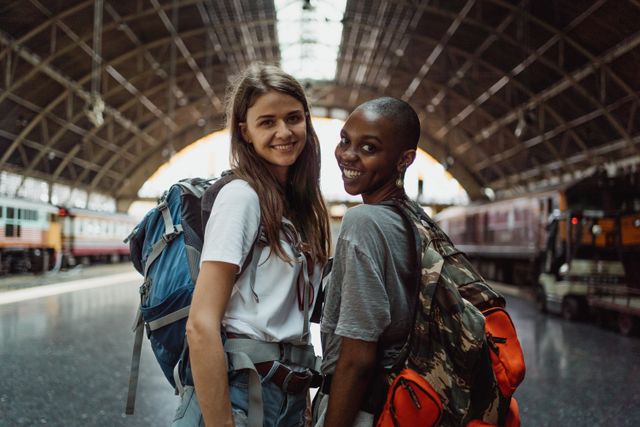
The Age of Perfect Trips That Feel Empty
Modern travel looks amazing on a screen. Filtered photos, flawless itineraries, curated playlists for train rides through the Alps. Everything is optimized. And yet, a growing number of travelers report feeling deeply unsatisfied.
A 2023 survey by Expedia found that 74% of respondents said the most memorable part of any trip was a spontaneous human interaction — not a booked attraction. That number is hard to ignore. Something is clearly missing in the polished, pre-planned travel experience.
What “Real Connection” Actually Means on the Road
It Isn’t Always Deep
People often imagine a real connection as a three-hour conversation with a fisherman about the meaning of life. Sometimes it is. But for us, it’s not always like that.
More often, it’s a shopkeeper who teaches you a word in their language. A random person from CallMeChat chatrooms who suggests where to go on the weekend or even offers to spend time with you. A stranger who laughs with you when your map app fails spectacularly.
Small. Unexpectedly. Unrepeatable.
It Has to Be Mutual
The key word is real. A scripted cultural performance for tourists is not a connection — it is a transaction. A local who genuinely wants to share a meal, explain a tradition, or argue about football? That is different. Both people walked away changed, even slightly.
Why the Brain Craves This
Neuroscience offers a clear explanation. Human brains are wired for what researchers call “social reward.” A study published in Nature Neuroscience showed that positive social interactions trigger the same dopamine pathways as food and shelter. We are, at the biological level, built to seek each other out.
Travel amplifies this effect. Away from routine, the brain is more alert, more open. Novelty lowers our social defenses. A conversation you would never start at home begins naturally on a night bus in Vietnam or on a hostel rooftop in Lisbon.
The Loneliness Paradox of Modern Travel
Surrounded by Everything, Missing Someone
Paradoxically, solo travel has exploded in popularity at exactly the same time loneliness rates have hit record highs worldwide. The World Health Organization declared loneliness a global public health concern in 2023. Solo travel bookings, meanwhile, increased by 42% between 2019 and 2024 according to data from Booking.com.
People are not traveling alone because they want to be alone. They are traveling alone because they are searching for something. Often, that something turns out to be other people.
The Difference Between Being Alone and Being Lonely
Experienced travelers know this distinction well. You can feel profoundly lonely in a group tour. You can feel completely at peace sitting by yourself in a park in Kyoto — especially if, five minutes ago, an elderly woman stopped to show you which cherry tree blooms first.
Connection does not require duration. It requires presence.
How Real Connections Change the Way We Travel
Slower. Quieter. Better.
Travelers who prioritize human connection tend to slow down. They spend more time in one neighborhood. They return to the same bakery four mornings in a row. They miss the famous museum because a local offered to show them something better.
According to a 2022 report by the Adventure Travel Trade Association, travelers who described their trips as “highly meaningful” were three times more likely to have spent significant time with locals compared to those who rated their trips as merely enjoyable. Three times.
It Changes What You Come Home With
You cannot photograph a conversation. You cannot post a feeling of being genuinely welcomed somewhere foreign. The things that come from real human connection — perspective, humility, joy, sometimes grief — are not shareable in the conventional sense.
They live in you. They change how you see your own street, your own neighbors, your own assumptions. That is a souvenir no shop sells.
What Gets in the Way
Comfort zones are invisible walls. Even deeply curious people sometimes hide behind headphones, phone screens, or the safety of a group that speaks their language. Fear of awkwardness is real. So is the fear of imposing.
But research from the University of Chicago found that people consistently underestimate how positively strangers will respond to an attempt at conversation. We expect rejection. We get warmth. Almost every time.
Simple Ways Travelers Actively Seek Connection
Choose the Right Spaces
Markets, community kitchens, local sports events, neighborhood parks — these are not tourist destinations. They are places where people simply live. Showing up there, without an agenda, is often enough.
Homestays and guesthouses run by families consistently outperform hotels on traveler satisfaction surveys. Not because of the mattress. Because of the breakfast table conversation.
Learn Three Sentences
You do not need to be fluent. You need to say hello properly, say thank you like you mean it, and be willing to look ridiculous attempting a word you have never said aloud before. That willingness — that small vulnerability — signals respect. And people respond to it.
Why This Matters Beyond Tourism
There is a bigger picture here. At a time when distance between cultures feels wider than geography alone explains, travel remains one of the few experiences that puts individual human faces on abstract “others.”
A 2019 study in the Journal of Personality and Social Psychology found that direct personal contact with people from different backgrounds reduced prejudice more effectively than any media exposure, educational program, or online exchange. Meeting people works. It has always worked.
Real connection while traveling is not just good for the traveler. It is, quietly, one of the more hopeful things humans still do.
The Unscheduled Moment
Every experienced traveler has a story that starts with: “I wasn’t even supposed to be there.” A missed train. A wrong turn. A café that wasn’t in any guide.
And then — someone. A conversation. A direction in life that shifted, even fractionally.
Those are the trips worth taking. Not because everything went right, but because something real happened. Plan for it by planning a little less. Leave room. The connection will find you.
