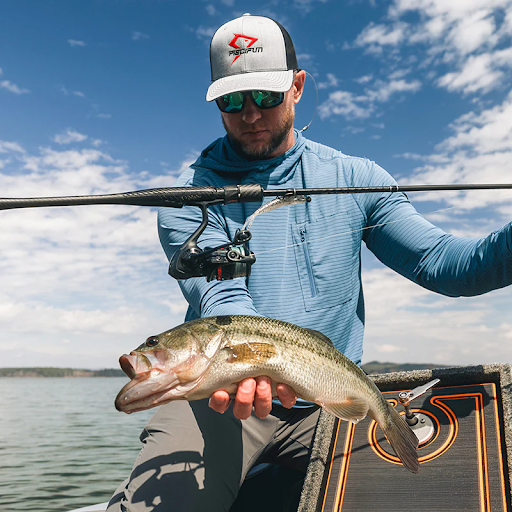
A fishing trip can go wrong before the first cast. Not because of the weather. Not because of the spot. Often, it is the reel.
A reel that feels heavy can tire your arm fast. A reel that grinds or sticks can make casting hard. A reel that twists your line can ruin a good day before lunch.
Many new anglers do not think about the reel much. They focus on the rod. They focus on the lure. But the reel is the part you touch the most. It is the part that decides how the whole day feels.
This guide keeps it simple. You do not need to know every reel part to pick a good one. You just need to know what matters and what does not.
Why the Reel Matters More Than You Think
A rod can look great in the store. But if the reel does not match it, the whole setup feels off.
A spinning reel sits on top of the rod. It holds the line. It lets the line out when you cast. It pulls the line back in when you reel. Every part of that motion runs through your hand.
If the reel is too heavy, your wrist tires fast. If the reel is rough, each turn feels like work. If the drag is weak, a strong fish can snap your line.
Good gear does not need to cost a lot. It needs to fit your hand, your trip, and your fish.
What to Check Before You Buy
You do not need to study every reel on the shelf. A few simple checks tell you most of what you need to know.
Fishing Reel Features
| Feature | Why it matters |
|---|---|
| Weight | A light reel reduces hand and arm fatigue on long days. |
| Size | A 2000 or 3000 size works well for most freshwater trips. |
| Drag system | Smooth drag helps you fight fish without snapping the line. |
| Line capacity | More line space helps with longer casts and bigger fish. |
| Material | Lighter materials feel easier to use for many hours. |
| Ball bearings | More bearings often mean a smoother retrieve. |
Pick up the reel before you buy it. Hold it. Turn the handle. A reel that feels smooth in the store will feel smooth on the water too.
Why Weight Changes Everything
Many new anglers do not think about reel weight. Then they fish for three hours and their wrist hurts.
A heavy reel can throw off the balance of your whole rod. It can make casting feel like work instead of fun. It can also make a long day feel much longer.
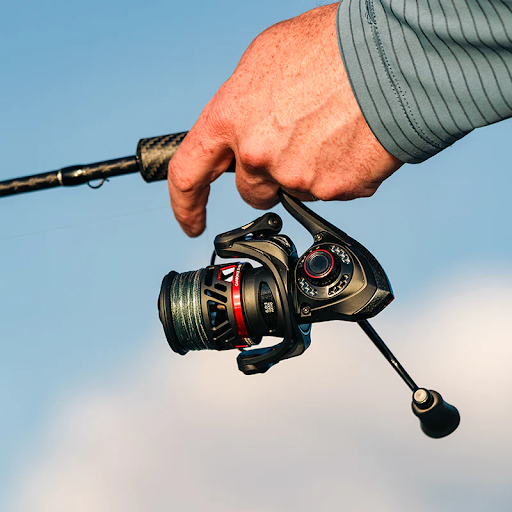
This is why many anglers now choose a lighter build for everyday freshwater trips. A carbon fiber fishing reel can cut weight without giving up strength. It can keep the reel sturdy while making it easier to hold and cast for hours.
You do not need the lightest reel on the market. You need one that feels right for how long you plan to fish.
Match the Reel Size to Your Fishing
A small pond does not need the same gear as a big lake. A light trout stream does not need the same gear as a bass lake.
Use this as a simple guide:
| Reel Size | Best For |
|---|---|
| 1000–2000 | Panfish, small trout, light line |
| 2500–3000 | Bass, walleye, general freshwater fishing |
| 4000+ | Bigger fish, heavier line, larger lakes |
If you fish for many species, a 2500 or 3000 size is a safe middle choice. It handles most freshwater situations without feeling too heavy or too small.
Drag Matters More Than People Think
The drag is the part that lets line slip out smoothly when a fish pulls hard. Without good drag, you either lose the fish or snap the line.
A smooth drag lets the fish tire itself out. A rough or weak drag fights against you instead of helping you.
Before you buy, turn the drag knob. It should move smoothly, not in small jumps. Tighten it, then loosen it. If it feels rough at any point, that is a sign of a weaker reel.
Test the Reel With Your Rod
A great reel can still feel wrong on the wrong rod. Balance matters as much as the reel itself.
When you test a reel in the store, attach it to the rod you plan to use. Hold the setup the way you would while fishing. Does it feel front-heavy? Does the handle sit comfortably under your fingers?
A well-matched rod and reel should feel like one piece, not two parts fighting each other.
Build a Setup for Your Kind of Fishing
Not every angler needs the same setup. Your fishing style should guide your choice.
- Beginner setup: light rod, simple spinning reel, easy drag adjustment.
- Bass setup: medium reel size, strong drag, durable build for long casts.
- Family trip setup: simple controls, light weight, easy for kids to use.
- Long-day setup: smooth bearings, good line capacity, comfortable handle for hours of casting.
If you are shopping for your first reel, or replacing an old one, browse fishing reels for sale that match your usual trip type rather than picking the first one you see.
Care That Keeps a Reel Working Well
A good reel can still fail if it is not cared for. Most problems come from simple things people skip.
- Rinse the reel after each trip, especially after saltwater use.
- Check the drag before every trip.
- Look for line twists before you cast.
- Test the handle for smoothness.
- Keep it dry when stored.
- Oil moving parts occasionally, based on the manual.
This routine takes a few minutes. It can add years to a reel’s life.
Keep the Decision Simple
You do not need the most expensive reel to have a good day on the water. You need a reel that matches your hand, your rod, and your fishing style.
Check the weight. Check the size. Check the drag. Test it with your rod before you decide.
The right reel will not get in the way of your day. It will simply disappear into the background, the way good gear always does, and let you focus on the water in front of you.
Final Thoughts
Choosing a spinning reel does not need to feel complicated. Start with the size that matches your fishing. Pay attention to weight if you fish for hours. Test the drag before you buy.
A good reel feels light in the hand, smooth on the retrieve, and steady when a fish pulls hard. Once you find one like that, the gear stops being something to think about. You just fish.