We have all seen them in the aisles of automotive stores: those compact, zippered nylon bags labeled “Emergency Roadside Kit.” Most drivers toss one into the trunk, check it off their mental to-do list, and promptly forget about it. If the unexpected happens because of a reckless driver, having the right tools can preserve your safety and protect your physical health, which is crucial when you eventually seek injury claim support down the line. To truly understand the value of a roadside kit, we need to unzip that bag and look at what actually belongs inside, why standard store-bought kits aren’t enough, and how these items protect you when you are at your most vulnerable.
The Tier 1 Essentials: Vehicle Preservation
The first category of items in a true emergency kit focuses on the machine itself. When your car breaks down, your primary goal is either to get it moving again safely or to make sure other drivers can see you.
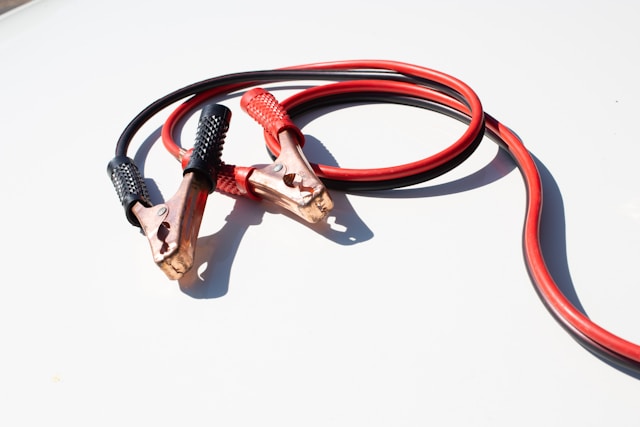
- Heavy-Duty Jumper Cables or a Portable Jump Starter: Store-bought kits often include thin, low-gauge cables that struggle to transfer enough power. Invest in high-quality 4-gauge cables, or better yet, a lithium-ion portable jump starter that lets you revive your battery without needing another vehicle.
- High-Visibility Warning Devices: A breakdown on a highway shoulder is incredibly hazardous. You need reflective triangles or LED roadside flares. Placing these several hundred feet behind your vehicle gives oncoming drivers the reaction time they need to move over.
- A Reliable Pressure Gauge and Tire Inflator: Modern cars have dashboard alerts, but a manual gauge and a portable 12V air compressor can prevent you from getting stranded by a slow leak in the middle of nowhere.
The Tier 2 Essentials: Human Survival and Comfort
This is where standard, commercial kits completely fail. They focus entirely on the metal and rubber, completely forgetting about the human beings sitting inside the freezing or sweltering cabin. If your engine dies, you lose your climate control.
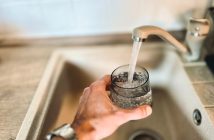
- Water and Non-Perishable Food: You should always carry a few bottles of water and high-calorie, non-perishable snacks, such as protein bars or nuts. Dehydration and low blood sugar drastically impair your decision-making abilities during a crisis.
- Thermal Protection: Keep a couple of Mylar space blankets in your glove box. They take up less room than a deck of cards but reflect 90% of your body heat back to you if you are stranded in freezing weather.
- A Real Flashlight (Not Your Phone): Your smartphone battery is your lifeline for calling for help; do not waste it on the flashlight. Pack a heavy-duty, waterproof LED flashlight with an extra set of batteries.
The Tier 3 Essentials: First Aid and Documentation
A medical emergency requires immediate action. A proper car kit must feature a robust first-aid kit equipped with trauma shears, antiseptic wipes, various bandage sizes, gauze, and medical tape.
Beyond physical injuries, your kit should contain a pen, a small notebook, and a backup charging cable for your phone. If you are involved in a collision, documenting the scene immediately, taking photos, noting weather conditions, and recording witness statements are vital. Having these collection tools ready guarantees you preserve accurate details right away.
Preparation Is Your Best Defense
The usefulness of an emergency car kit will depend on its being customized for your surroundings and maintained at regular intervals. Twice a year, every spring and fall, you need to get into the habit of examining your kit by changing any expired foods, checking your flashlight batteries, and making sure your spare tire is correctly inflated.
Conclusion
While none of us can predict when our vehicles will break down, encounter bad weather, or when a negligent motorist will cause us harm, we can prepare ourselves adequately for these situations. Whereas a skilled legal professional will be able to assist you financially through injury claim support, your emergency kit will be the one that will keep you safe and secure in the critical time following the accident.