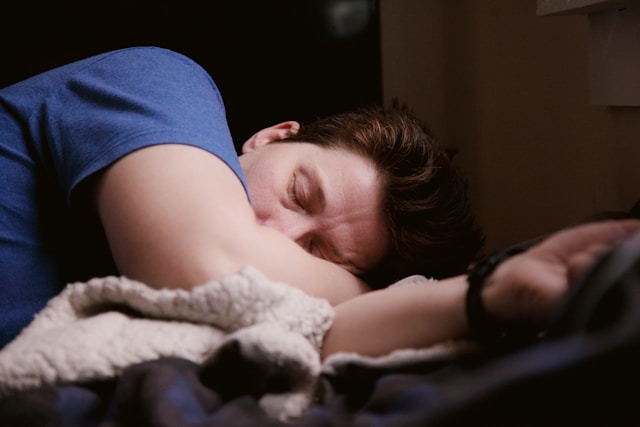
Let’s be honest: you’ve tried everything. You’ve flipped the pillow to the “cool side” a dozen times. You’ve cranked the AC until your roommate or partner started shooting you looks. You’ve even bought one of those “cooling” mattress pads that felt like a gimmick within a week. And yet you still wake up at 2 a.m. drenched, kicking off the covers, and starting the whole cycle over again.
Here’s the part nobody tells you: the problem usually isn’t your willpower or your blanket choice. It’s your core body temperature, and most of the fixes guys reach for don’t actually touch it. Figuring out how to sleep cooler at night for real — not just for the first twenty minutes after you lie down — starts with understanding what’s actually happening to your body when the room runs hot.
Your Body Has One Job at Night, and Heat Ruins It
Sleep science is pretty blunt about this — your body needs to drop its core temperature by a degree or two to fall into and stay in deep sleep. That’s why hot rooms wreck sleep quality even when you technically “fall asleep fine.” You’re getting hours in bed, but not the deep, restorative stuff. You wake up groggy, irritable, and reaching for a second coffee before 9 a.m.
A bedroom that’s too warm interrupts the natural temperature dip your body is trying to pull off. Fans push air around without lowering it. AC cools the room, not the four inches of trapped heat sitting between your body and the mattress. That’s the actual battlefield, and most guys are fighting it with the wrong weapons.
The Stuff That Doesn’t Really Work (Sorry)
Before getting into what helps, let’s clear out the noise:
- Breathable sheets — Better than nothing, but they’re managing moisture, not heat. You’ll feel less swampy, not actually cooler.
- Cranking the thermostat — Effective, expensive, and a hard sell if you’re sharing a bed with someone who runs cold. Nobody wants to negotiate climate policy at 11 p.m.
- “Cooling” foam pillows and toppers — Most rely on gel beads or open-cell foam that feel cool to the touch for about fifteen minutes, then equalize to your body heat like everything else.
None of these are scams exactly. They’re just treating a symptom instead of the actual mechanism — heat trapped against your skin all night long.
What Actually Moves the Needle
The gear that genuinely works tends to do one specific thing: actively pull heat away from your body for hours, not just feel cold when you first lie down. That’s a different category entirely from passive cooling fabric, and it’s worth understanding the difference if you’re tired of half-measures.
Water-based cooling systems are the most effective version of this. Instead of relying on ambient air, they circulate temperature-controlled water through a pad that sits directly under your sheet, pulling heat away from your body continuously through the night rather than giving up after the first hour. You set a target temperature — and these systems can run a wide range, from properly cold to genuinely warm if you want a heated bed in the winter, too. No more fighting over the thermostat with whoever’s sharing your bed; the better setups let each side run independently, so you can run cold and they can run warm without anyone losing the argument.
If you’re someone who runs hot, sleeps next to someone who runs cold, or just lives somewhere that turns into a sauna for half the year, this is genuinely the closest thing to a cheat code in the sleep tech space right now. It’s not cheap, but neither is another year of bad sleep, bad mornings, and bad decisions made on four hours of broken rest.
A Few Cheap Wins Worth Stacking On Top
If you’re not ready to invest in hardware yet, a few habits actually move the needle:
- Drop the room temp 1-2 hours before bed, not right when you get in. Pre-cooling the space matters more than blasting AC after you’re already overheated.
- Skip the late workout sweat session. Your core temp stays elevated for hours after intense exercise — work out earlier if sleep quality matters more to you than a 9 p.m. gym session.
- Lay off the nightcap. Alcohol raises your skin temperature and disrupts the very temperature drop your body’s trying to execute.
The Bottom Line
If you’ve been stacking fans, breathable sheets, and a colder thermostat setting and still waking up overheated, the issue probably isn’t effort — it’s that none of those fixes actually pull heat away from your body the way active cooling tech does. For guys serious about solving this instead of just managing the symptoms, that’s the category worth actually looking into.
Your bed shouldn’t feel like a sauna. Fix the mechanism, not the symptom, and the rest takes care of itself.