Pushing your body to the limit requires a smart strategy for rest. Heavy lifting and intense cardio workouts create tiny tears in muscle tissue. Your fitness progress depends on how well your body repairs this damage.
Traditional recovery methods focus on simple rest days and basic nutrition. Modern science looks deeper into cellular mechanisms. Understanding these biological pathways helps optimize your training timeline.

Biological Foundations Of Tissue Repair
Muscle growth happens after training sessions end. Microscopic damage triggers an immune response that clears out broken proteins. This process sets the stage for building stronger tissue.
Satellite cells migrate to injured areas to fuse with existing muscle fibers. These cells provide the necessary biological blueprints for strengthening the physical structure. Proper rest allows this cellular activity to happen without unwanted interruption.
Healthy blood flow delivers oxygen and basic metabolic building blocks to struggling muscles. Efficient circulation speeds up the removal of waste products that accumulate during exercise. Maintaining this internal balance keeps your weekly training schedule on track.
Cellular Signaling Mechanisms
Chemical messengers dictate how fast your body bounces back after heavy weight training. These internal signals control protein synthesis and cellular replication. Scientists track these pathways to discover new ways to shorten physical downtime.
Athletes look for specialized combinations to support their physical health during hard training blocks. Researchers study the KLOW peptide blend to see how particular compounds target cellular receptors. This microscopic interaction might change how people approach physical downtime.
Genetic factors influence your natural baseline for healing from intense physical stress. Some individuals naturally produce higher levels of regenerative markers. Targeted laboratory research aims to bridge the gap for those needing extra support.
The Impact Of Molecular Weight
Structural size plays a major role in how foreign or domestic compounds travel through the body. Smaller particles pass through biological barriers with far less difficulty. This mechanical reality heavily influences the design of modern dietary additions.
A recent molecular study indicated that the weight of protein chains dictates their internal usefulness. Chains measuring between 2000 and 3500 daltons demonstrate superior absorption compared to heavier blocks of 5000 daltons. Selecting the correct size maximizes the potential benefits to targeted tissues.
Faster absorption means your body can utilize these resources during critical post-workout windows. Large structures often degrade completely before reaching their destination. Fine-tuning particle dimensions helps deliver support precisely when your cells need it most.
Cellular Integrity And Matrix Remodeling
Connective tissues form the foundational framework that holds your muscles together. This matrix requires constant upkeep to withstand the strain of explosive movements. Strengthening these structural bonds prevents long-term wear and injury.
An international science journal reported that certain body protection compounds assist with blood vessel growth and collagen synthesis. These localized actions modify nitric oxide pathways to assist with tendon and ligament tissue repair. Targeting the cellular matrix helps the body heal holistically.
Standard nutrition sometimes misses these deep structural tissue layers. Focusing on fibroblast activity provides direct support to the architecture surrounding your muscle fibers. Comprehensive care leads to more resilient physical frameworks under heavy loads.
Biomarkers In Concurrent Training
Combining heavy strength training with intense endurance work creates unique challenges for your metabolic system. Tracking chemical changes in the bloodstream reveals how much stress the body absorbs during workouts. High levels of certain enzymes signal deep physical fatigue.
A dietary study published recently tracked blood markers in athletes performing multiple types of exercise. The findings revealed that targeted peptide administration limited the spike of key fatigue indicators.
Monitoring biological chemicals helps determine if a recovery protocol functions correctly. Researchers pay attention to 3 distinct indicators:
- Creatine kinase levels
- Lactate dehydrogenase output
- Myoglobin concentrations. Keeping these numbers stable prevents overtraining syndrome.
The Role Of Rest Cycles
Sleep remains a primary foundation of muscle tissue restoration. Your body releases growth hormones during deep sleep cycles. Skipping sleep limits the effectiveness of dietary interventions.
Active rest days keep the blood moving without adding extra stress to torn fibers. Light walking or swimming can assist the natural healing process. Balancing hard work with strategic downtime prevents chronic overuse injuries.
Mental stress also impacts how fast physical structures rebuild after a workout. High cortisol levels slow down your metabolic efficiency. Creating a calm environment improves your overall capacity to bounce back.
Future Directions In Athletic Science
Laboratory advancements reveal new ways to support longevity. Scientists examine microscopic components to see how they protect muscle fibers. Each year brings insight into performance limits.
Customizing nutrition protocols based on individual biomarkers is becoming standard practice. Regular blood panels help track internal stress trends before symptoms appear. This data allows for precise adjustments to training loads.
Combining multiple recovery modalities yields the best results for high-performance individuals. No single method provides a complete solution for physical fatigue. Integrating smart rest, targeted nutrition, and tracking supports steady athletic progression.
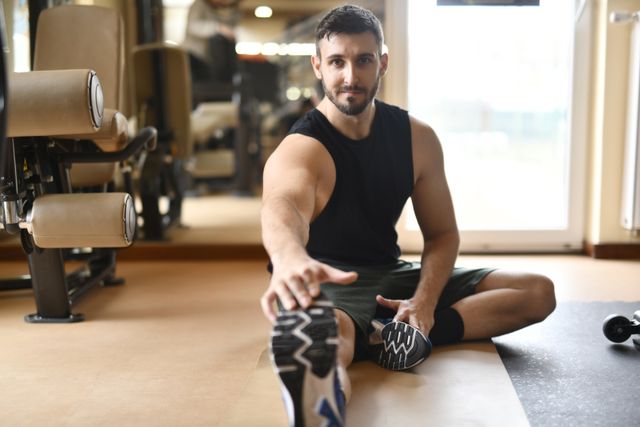
Reaching your peak physical performance requires carefully balancing hard training with smart recovery tools. Modern science offers insights into exactly how muscle fibers rebuild at a microscopic level.
Embracing these new biological insights helps modern athletes train much more smartly and avoid unnecessary injuries. Prioritizing systemic repair allows you to maintain consistency and hit your fitness goals over the long haul.